

Visit
€
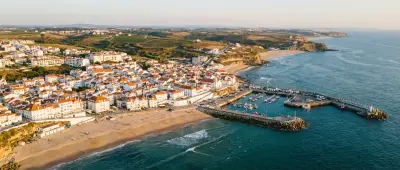
Praia da Adraga
Sintra

From Alfama to Setúbal's choco frito, from the Serra de Sintra to Arrábida's beaches, Lisbon and the Tagus Valley packs more diversity per kilometre than most visitors expect. A region where a 40-minute train ride completely changes the landscape, the food, and the accent.
Lisbon and the Tagus Valley is the region that fools first-time visitors the most. Most people arrive, spend three days in the capital, photograph Tram 28 and the pastéis de Belém, and leave thinking they know the area. They don't. The region stretches from the Atlantic coast to the Ribatejo interior, and the contrast between the shoreline and the countryside is dramatic.
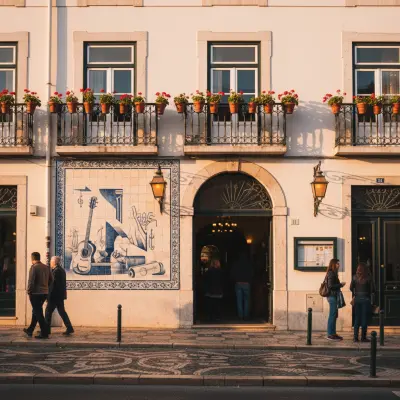
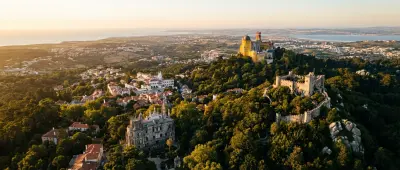
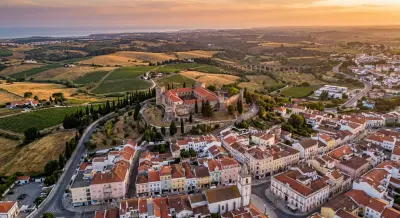
The capital deserves time, the historic neighborhoods of Alfama, Mouraria, and Graça have a street life you won't find in most European capitals. But the classic mistake is never leaving. Sintra is a 40-minute train ride away and has a mountain range with its own microclimate, where subtropical vegetation grows alongside palaces that look like opera sets. Palácio da Pena and Quinta da Regaleira get the crowds, but the Serra de Sintra has trails leading to abandoned convents and viewpoints where you'll be alone.
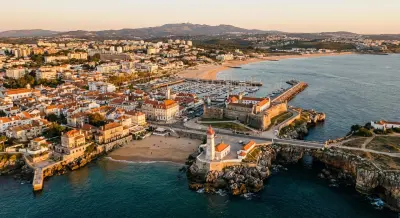
Cascais has changed in recent years. It's no longer just a beach suburb, the town market, Guincho with its heavy surf and Boca do Inferno still draw people, but there's now a serious food scene and cultural life that extends beyond summer. Ericeira, further north, has been a World Surfing Reserve since 2011 and keeps a fishing village center that hasn't been entirely swallowed by tourism.
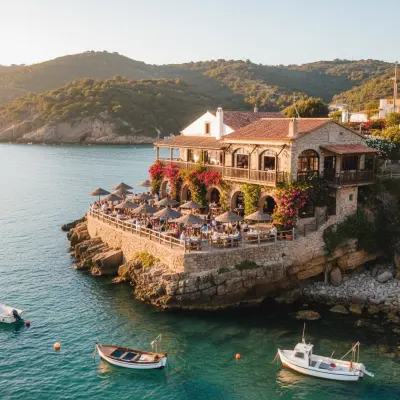
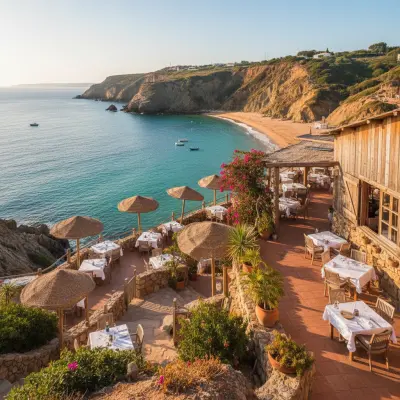
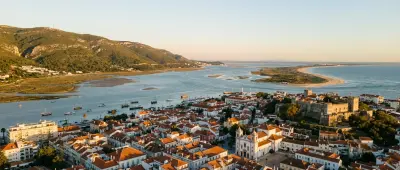
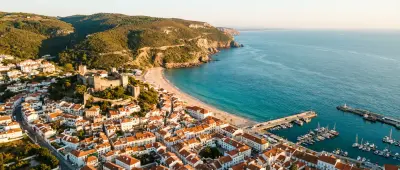
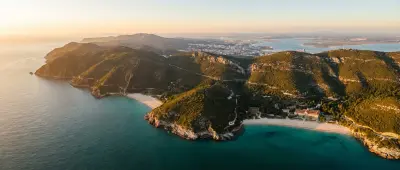
Crossing the Tagus changes everything. Almada has the Cristo Rei statue and the most iconic view of Lisbon, but Sesimbra is the real destination, a fishing town tucked into a sheltered bay, where grilled fish goes straight from the boat to the plate. The Serra da Arrábida, between Sesimbra and Setúbal, has beaches with crystal-clear water like Praia de Galapinhos and Praia dos Coelhos, reached by trails through Mediterranean scrubland. Setúbal itself is underrated: the Mercado do Livramento is one of the best markets in the country, and choco frito, battered cuttlefish, crispy outside, tender inside, served with tomato rice or chips, is the mandatory order.
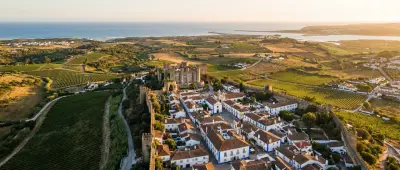
Santarém is Portugal's gothic capital and the seat of Ribatejo gastronomy. Sopa da pedra from nearby Almeirim, slow-cooked beef, and morcela de arroz are part of a tradition of generous eating that has no coastal equivalent. In October, the Feira Nacional do Cavalo in Golegã draws horse enthusiasts from across the country. Óbidos, further north, is known for its walled town and ginjinha served in chocolate cups, but also for its literary festival in July and chocolate festival in March and April.
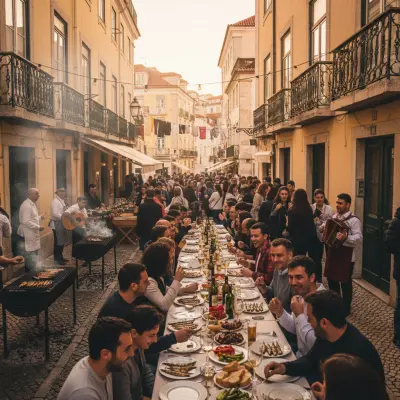
In Lisbon, bifanas at Cais do Sodré, salt cod fritters in the tascas of Alfama, pastéis de nata from Manteigaria. In Setúbal, choco frito. In Santarém, sopa da pedra. In Ericeira, sea urchins when in season. In Sintra, travesseiros and queijadas from Piriquita. Each area has its own table, and the mistake is assuming Lisbon's food represents the whole region.
September and October are ideal: the intense August heat has passed, the beaches empty out, and the light is perfect. Spring, from March to May, also works well, especially for walking in Arrábida or Sintra without summer temperatures. Winter in Lisbon is mild, it rarely drops below 8°C, and the city takes on a different rhythm, with shorter queues and more room to explore neighborhoods properly.
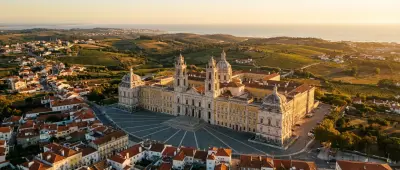
Mafra deserves a separate mention: the National Palace, with its library of 36,000 volumes, is one of the most impressive Baroque buildings on the Iberian Peninsula, and the Tapada de Mafra offers nature walks less than an hour from Lisbon. Torres Vedras, meanwhile, is Carnival country, one of the oldest and most irreverent in Portugal, without the TV gloss of others, but with genuine street energy.
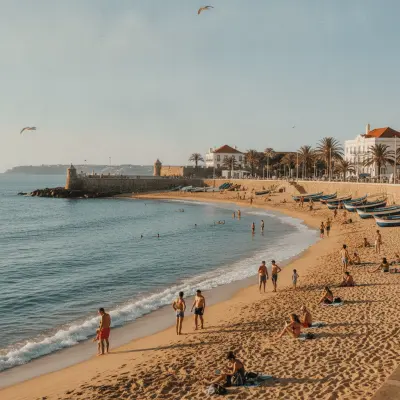
The water's still cold in September, but Lisbon's beaches finally empty out and the sun holds through mid-afternoon. From Caparica to Guincho, with a detour to Praia Grande near Sintra, here's where to swim without the crowds, and what to do back in the city on the days the sea doesn't cooperate.
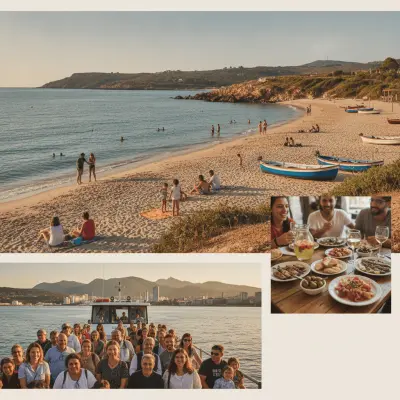
Setúbal's best beaches don't charge admission, the dolphins are visible without a boat, and fried cuttlefish costs what it should. Here's how to do a full day here without overspending.
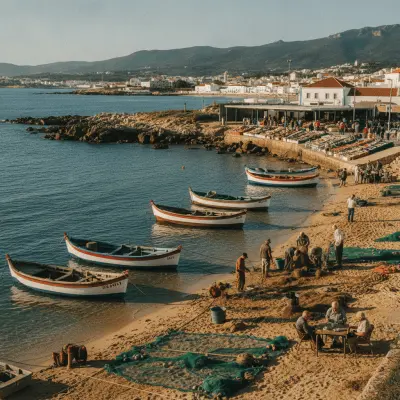
Anyone who shows up in Arrábida with a surfboard leaves disappointed: this sea doesn't make waves, it makes turquoise mirrors where the real riders are the dolphins of the Sado. A guide that doesn't pretend the swell exists.
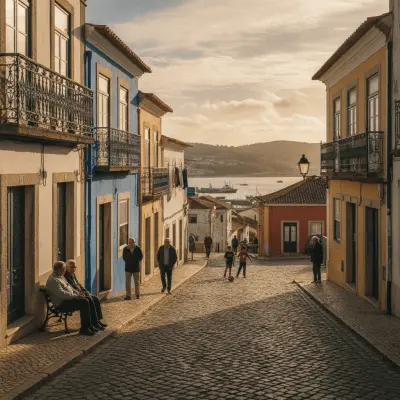
Everyone passes through Setúbal on the way to Tróia and skips the city sitting between the Sado and the Arrábida hills. From the fish market to a hilltop castle, and a no-frills bar by the docks, this is the Setúbal you walk, not the one you drive through.