Visit
€
Praia da Arrifana
Aljezur

The Algarve has three distinct sub-regions, coast, limestone hills and mountains, but most visitors only see one. Between the clam cataplana in Olhão and the medronho brandy in Monchique, there's a southern Portugal that doesn't make the brochures.
The Algarve is Portugal's most visited region and, for that exact reason, its most misunderstood. Most tourists know the strip between Albufeira and Portimão, the resorts, the golf courses, the beach bars, and assume that's all there is. It's not. The Algarve contains at least three distinct sub-regions compressed into 150 kilometres of coastline, and ignoring two of them is the most common mistake visitors make in southern Portugal.
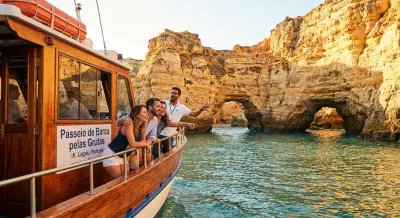
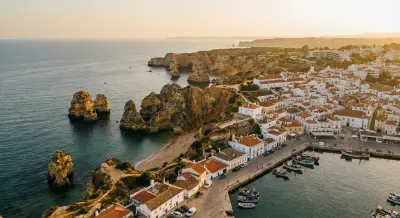
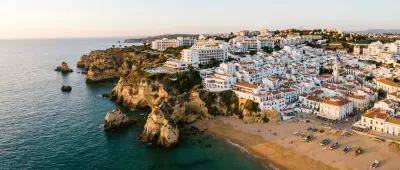
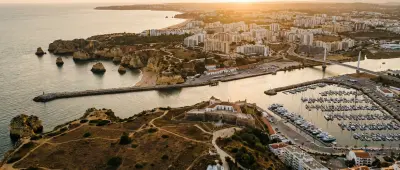
Yes, the golden cliffs between Lagos and Albufeira are extraordinary. Ponta da Piedade, Praia da Marinha, the sea arches at Benagil, all real, all worth seeing, preferably outside July and August when traffic on the EN125 turns every short drive into an ordeal. But the Algarve coastline doesn't end there.
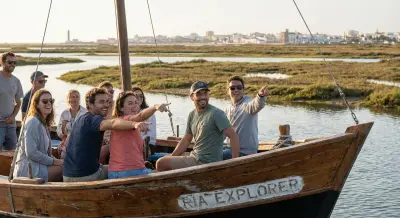
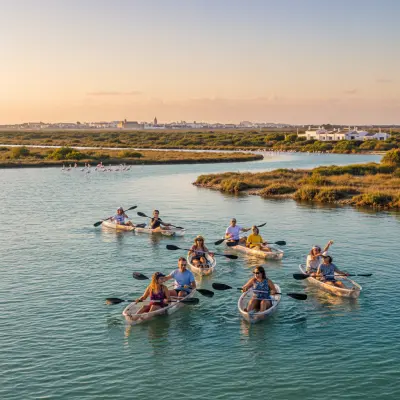
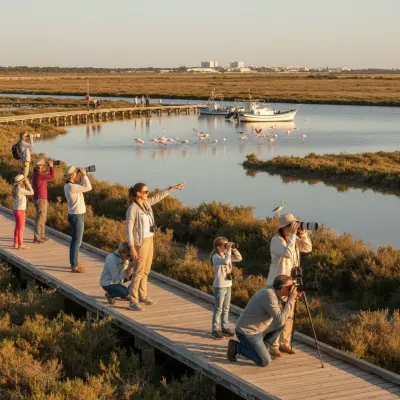
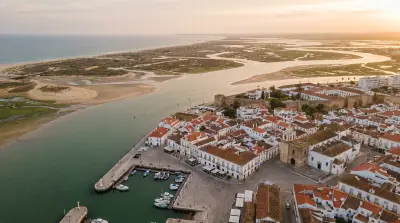
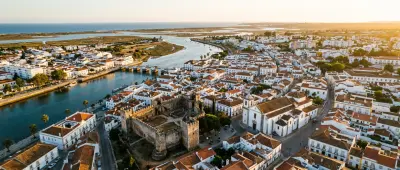
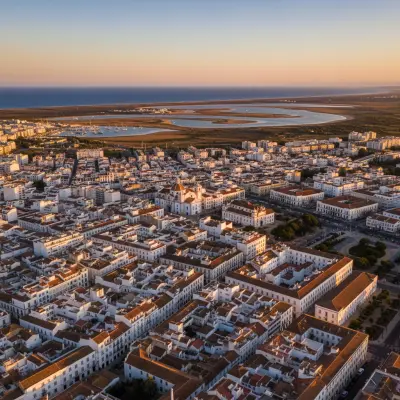
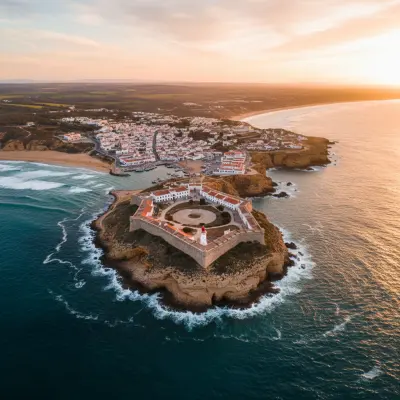
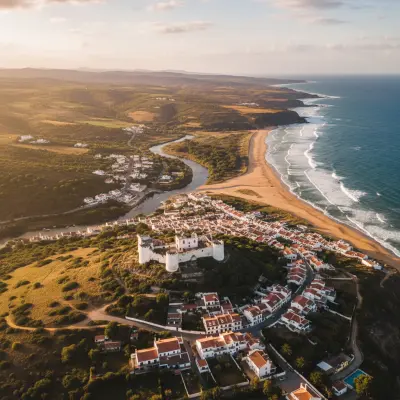
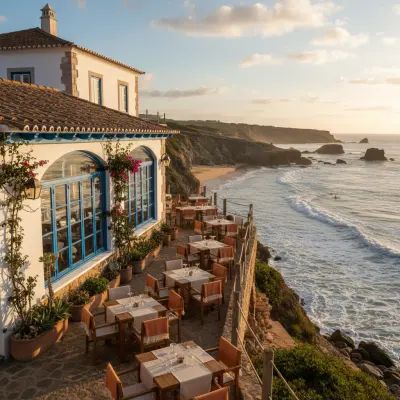
The west coast, from Sagres up through Aljezur, is a different world entirely: wild beaches with heavy Atlantic swell, villages with a handful of restaurants and zero resorts. Praia da Arrifana and Praia do Amado are serious surf destinations, not theme parks. And to the east, from Olhão and Tavira onward, the Ria Formosa lagoon system offers barrier islands reachable by ferry, Ilha da Culatra, Ilha de Tavira, Ilha da Armona, with kilometre-long beaches that are nearly empty outside peak season.
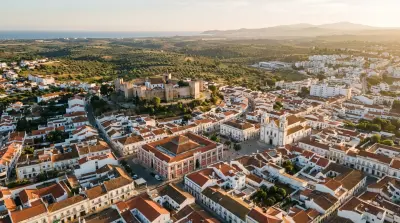
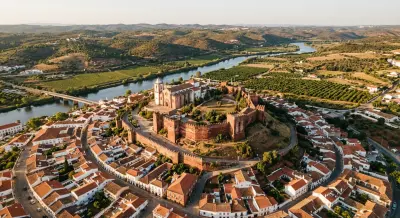
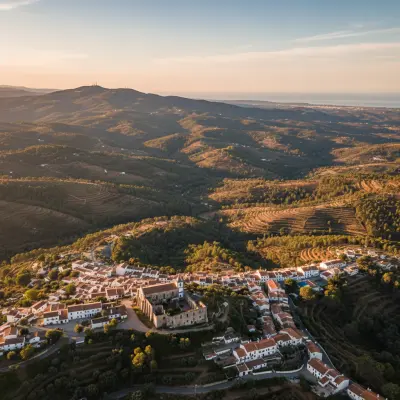
The Algarve's interior is arguably the most overlooked area in Portuguese tourism. The Serra de Monchique rises to 902 metres at Fóia, with cork oak and strawberry tree forests that bear no resemblance to the coastal landscape. Monchique is known for medronho, a fruit brandy distilled in copper pot stills from the berries of the strawberry tree, and for thermal springs the Romans already used. Silves, the old Moorish capital of the Algarve, has a red sandstone castle overlooking the valley and a history that predates Lisbon as a centre of power in southern Iberia.
Algarve cuisine is the most underrated in Portugal. While Porto has the francesinha and Lisbon the pastel de nata, the Algarve has dishes that rarely travel beyond the region. Cataplana, the domed copper pot used to steam clams with chouriço, or fish with potatoes, is the icon, but there's more. Razor clam rice in Olhão, conquilhas clams à bulhão pato in Quarteira, tuna with onion stew in Tavira (a direct inheritance from the old tuna trap fishing tradition). Dried figs stuffed with almonds and chocolate are the snack you buy at the municipal markets of Loulé and Olhão, two of the best in the country.
Almond and fig-based sweets are everywhere: morgados, Dom Rodrigos wrapped in silver foil, carob cakes. The carob tree, in fact, defines the landscape of the barrocal, the limestone belt between the coast and the mountains.
The Algarve gets over 300 days of sunshine per year, which makes winter surprisingly pleasant, temperatures between 12°C and 18°C, almond trees in bloom from January to February, accommodation prices at a third of summer rates. March to June is the best window: accessible beaches, sea still cool but bearable, restaurants without queues. September and October keep the warmth with fewer crowds. July and August work if you've booked accommodation early and have patience for traffic.
In August, Silves hosts the Medieval Fair, with historical re-enactments inside the castle walls. The MED Festival in Loulé, held in June, brings Mediterranean music to the old town centre. These are the two most significant cultural events in the region.
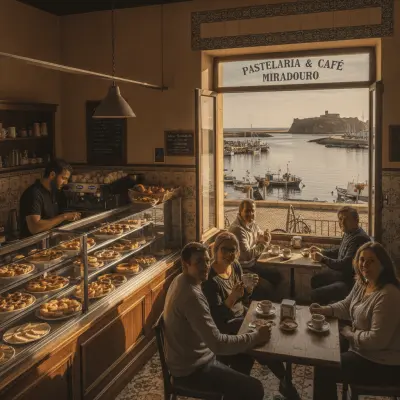
In Portimão, an espresso still costs less than a coin left over in your pocket, if you know where to stop and what to order. From downtown counters to the viewpoint over the Arade, this is the coffee route that separates locals from passers-through.
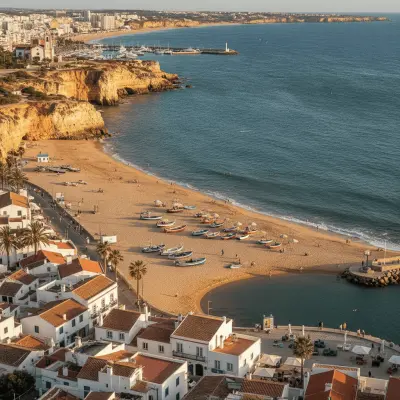
Portimão is four towns wearing one name: cliffs and neon in Praia da Rocha, sardines and quiet in Alvor, an old postcard in Ferragudo. Before booking, figure out what you want to be doing at 11pm, because that's what should decide where you sleep.
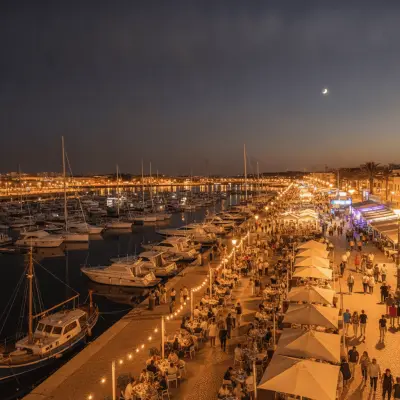
By day Portimão smells like grilled fish and old canneries; by night it becomes a sequence of dinners with a view, drinks at the marina, and the Strip in Praia da Rocha until sunrise. An honest guide for going out, with detours for anyone who'd rather skip the noise.
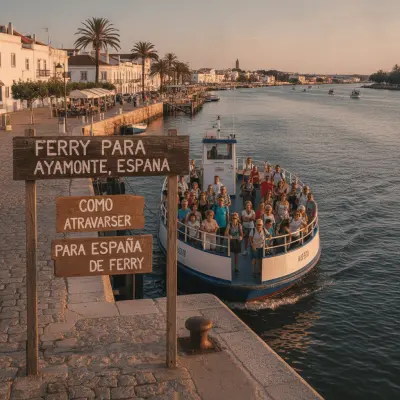
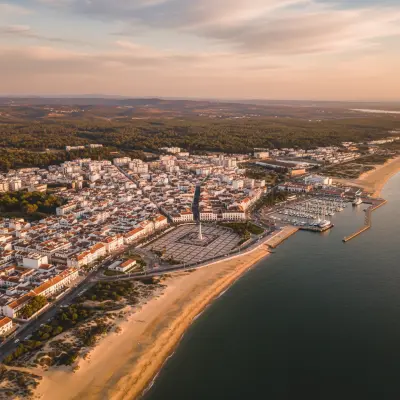
Everyone comes to Vila Real de Santo António to catch the ferry to Spain, and almost nobody notices the ruler-straight Pombaline town waiting on the other side of the queue. Here's the practical guide: schedules, where to eat before crossing, and why it's worth staying longer than two hours.