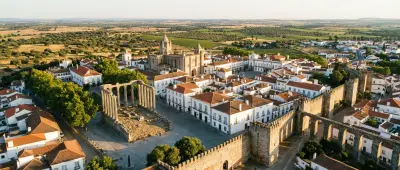
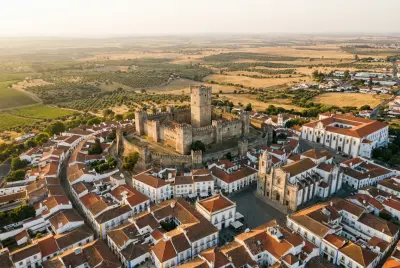
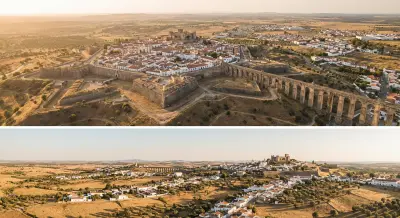
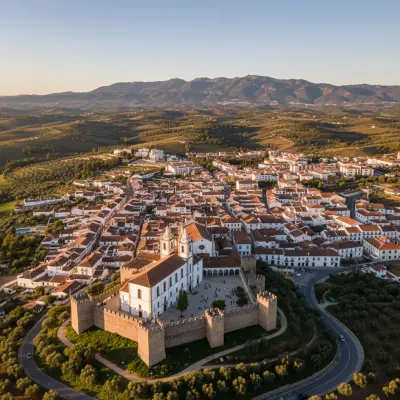
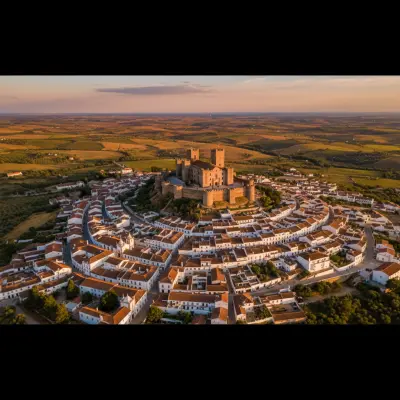
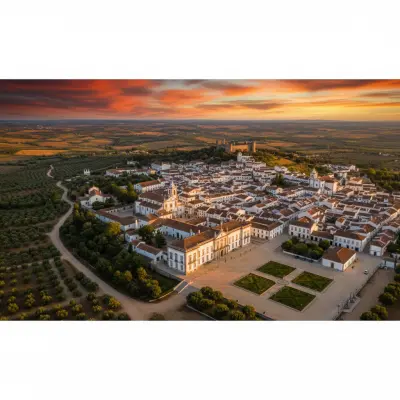
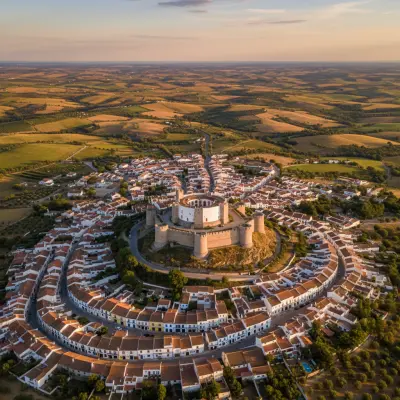
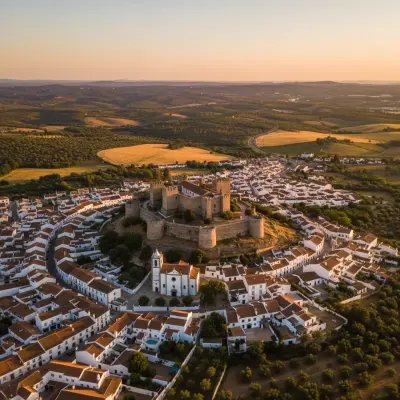
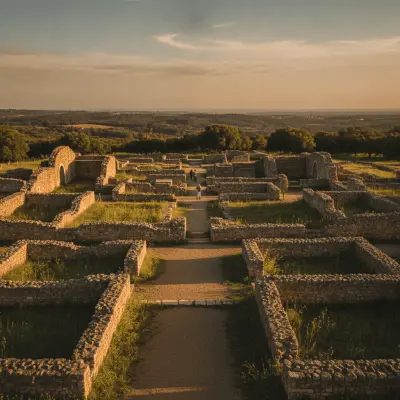
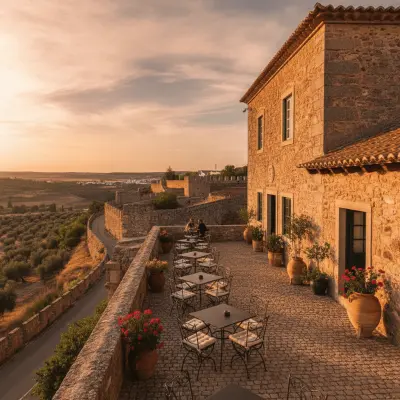
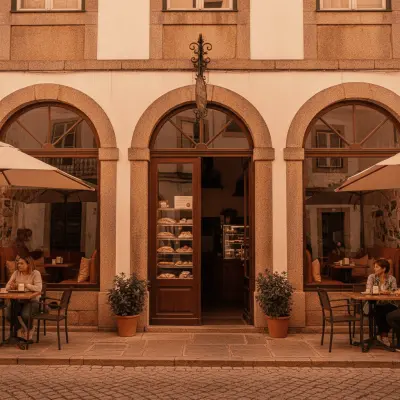
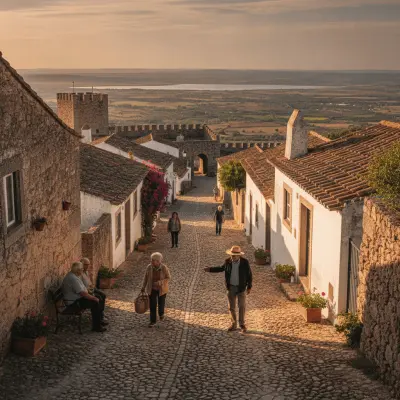
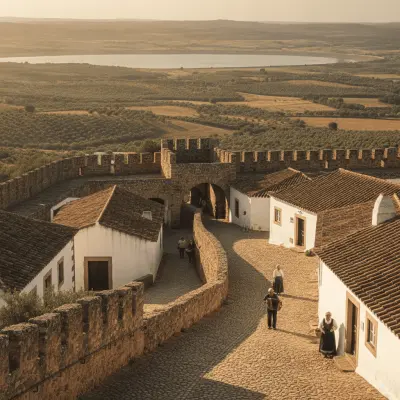
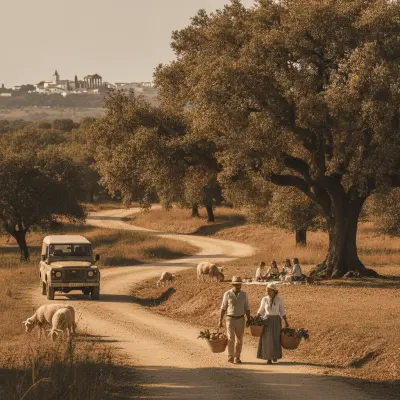
The Alentejo covers a third of mainland Portugal and has fewer people per square kilometre than almost anywhere in Western Europe. That scale, and that emptiness, is what defines it. Wheat plains and cork oak forests stretching to every horizon, fortified hilltop towns that seem unchanged since the 16th century, and a summer heat that explains why the Alentejanos invented cold soup.
What you'll find here
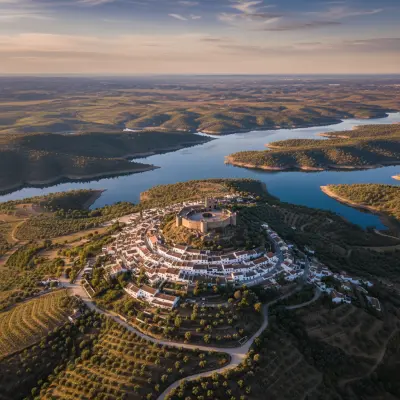
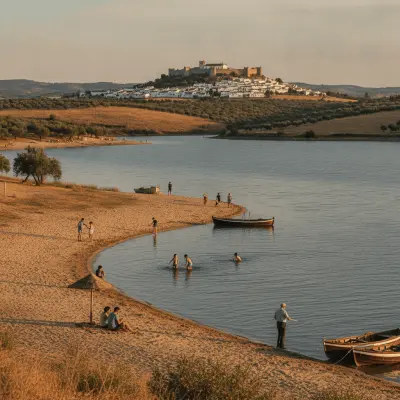
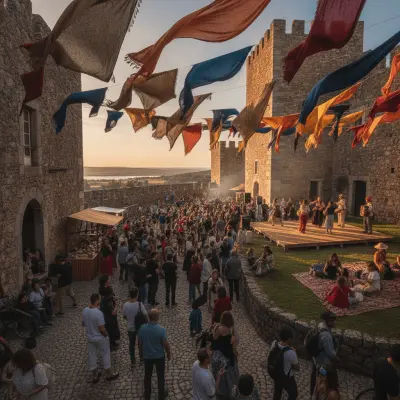
Évora is the obvious starting point: Roman temple, medieval cathedral, Chapel of Bones, a university five centuries old. But the real Alentejo begins once you leave Évora. Monsaraz, perched on a ridge overlooking the Alqueva reservoir, has fewer than 200 residents and a 13th-century castle. Estremoz splits between the medieval upper town and the Saturday market below, where you can buy Nisa cheese and black pork charcuterie. Vila Viçosa holds the Ducal Palace of the Bragança dynasty, the palace where Portuguese kings lived before they moved to Lisbon.
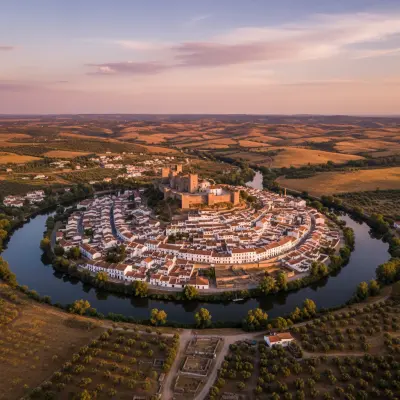
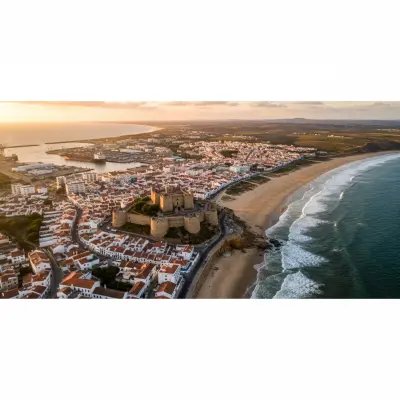
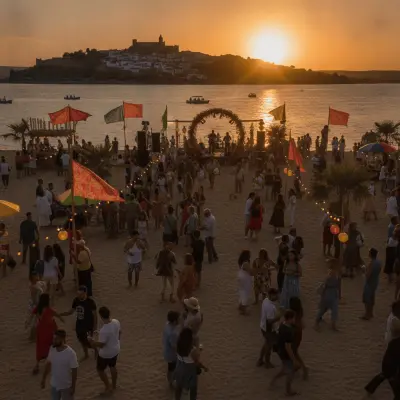
To the south, the Alentejo changes character. Mértola, above the Guadiana river, was a Roman port, an Islamic city, and a mining town. The mosque-turned-parish church still has its original mihrab. Beja has the Regional Museum, housed in the convent where Sister Mariana Alcoforado reportedly wrote her famous love letters. Santiago do Cacém and Sines touch the coast, windswept beaches, sea cliffs, and the FMM world music festival in Sines every July.
What to eat
Alentejo cooking is survival turned into tradition. Açordas and migas were born from the need to use stale bread. Açorda alentejana, bread, garlic, coriander, olive oil, poached egg, is the most honest dish Portugal has. Migas with pork are heavy and perfect for winter. Lamb stew shows up in nearly every tasca from Évora to Portalegre.
Black pork is king. Raised under cork and holm oak, acorn-fed, it produces presunto, plumas, secretos, and the most coveted dish: braised black pork cheeks. In Estremoz and Borba, the sheep's milk cheeses are so creamy inside that you cut the top off and eat them with a spoon.
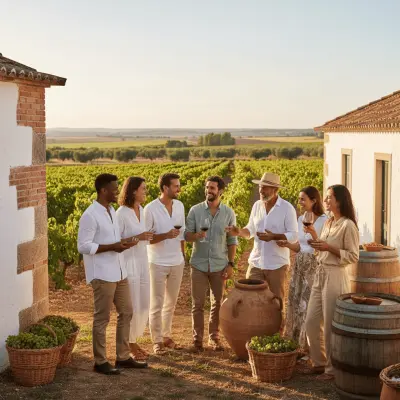
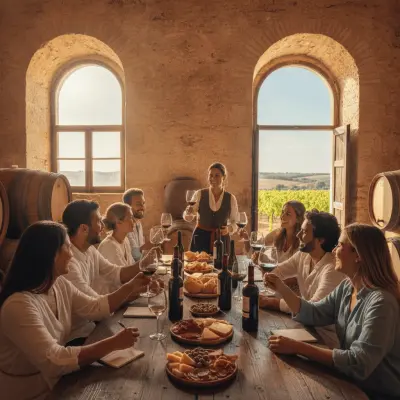
The wines need no introduction. The Alentejo is Portugal's largest wine region by volume. Esporão, Herdade do Mouchão, João Portugal Ramos, Adega Mayor, dozens of producers welcome visitors. The Antão Vaz grape produces full-bodied whites that surprise anyone who only knows Vinho Verde.
When to go
Skip July and August unless you handle 40°C heat well. April and May are ideal: wildflower fields, temperatures around 20-25°C, everything green before summer scorches the landscape. September and October work too, harvest season begins, the heat fades, and crowds thin out.
What tourists get wrong
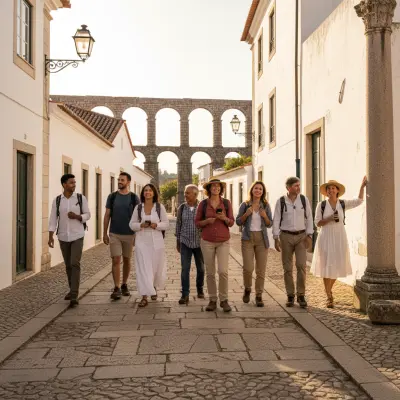
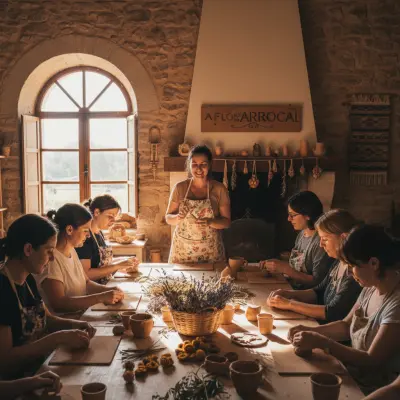
The most common mistake is treating the Alentejo as a day trip from Lisbon. Évora in two hours, lunch, drive back. That's like visiting Tuscany in three hours. The Alentejo needs at least three or four days. It needs back roads, stops in towns that aren't in any guidebook, and two-hour lunches with house wine. Portalegre, in the north, has the country's only museum of contemporary tapestry and a cork factory open to visitors. Arraiolos is known for its hand-embroidered wool rugs, a tradition dating back to the 17th century.
The Alentejo is not a place to rush through. If you're in a hurry, go somewhere else.