Restaurants
€€€€
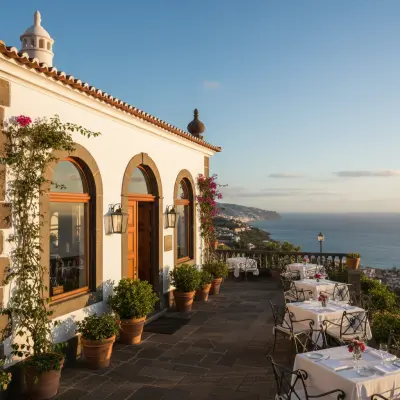
Il Gallo d'Oro
Funchal

A mountain island in the middle of the Atlantic, where 3,000 km of levadas cut through Europe's last Laurissilva forest. In Madeira you eat black scabbardfish with banana, hike above the clouds between Areeiro and Ruivo, and discover that the island's wild north coast rivals Funchal itself.
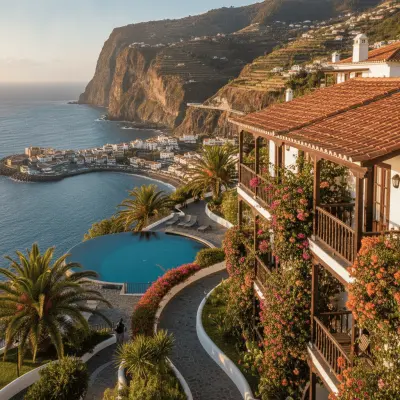
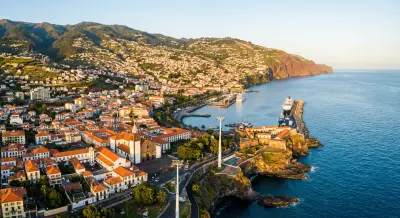
Madeira is not a beach destination, and the sooner visitors accept this, the better the trip will be. It's a mountain island that happens to sit in the middle of the Atlantic, with cliffs dropping straight into the sea, forests that predate Portugal as a nation, and a food culture shaped equally by subtropical climate and the stubbornness of its people in farming every available square metre of land.
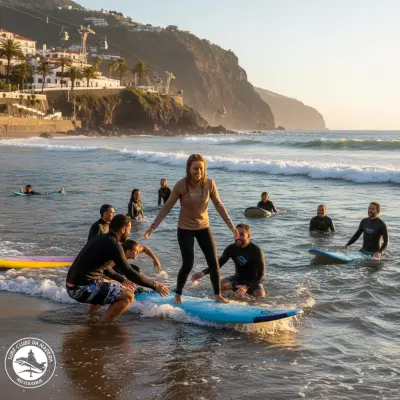
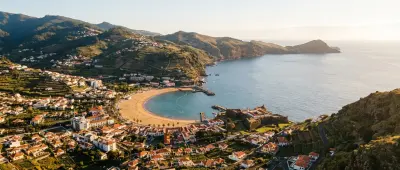
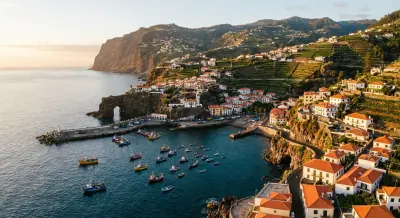
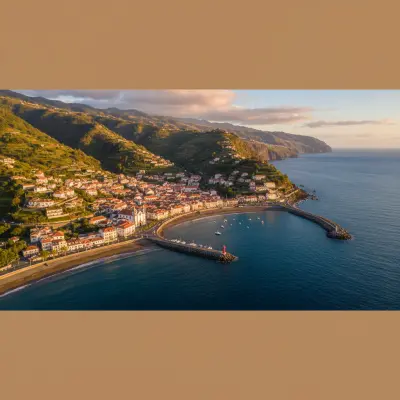
The island revolves around Funchal, which has the bulk of the hotels, restaurants, and nightlife. But limiting your visit to the capital is a common mistake. Câmara de Lobos, a few kilometres west, is a fishing village where you can still see black scabbardfish being unloaded in the early morning, and where Churchill sat painting in 1950. Machico, on the eastern side, has the island's only natural sand beach and a calm that Funchal lost long ago.
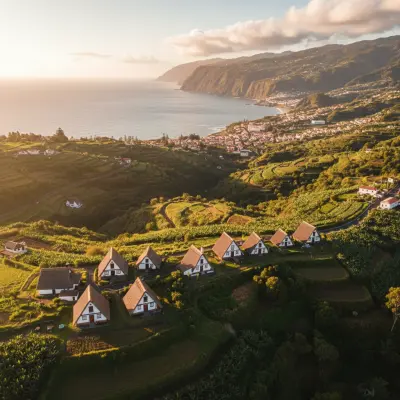
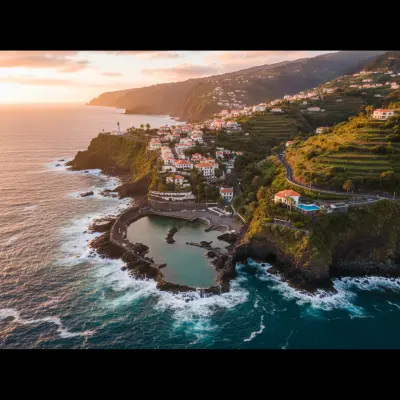
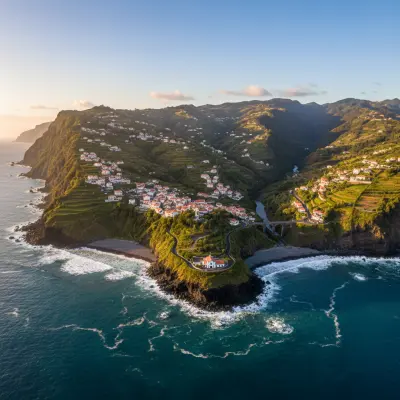
Head north and the landscape shifts dramatically. São Vicente opens into a sheltered valley with visitable volcanic caves. Santana is known for its triangular thatched houses, touristy, yes, but genuine in their agricultural origins. And Porto Moniz, at the far northwest, has volcanic rock pools that became postcard staples but still reward the drive, especially outside August.
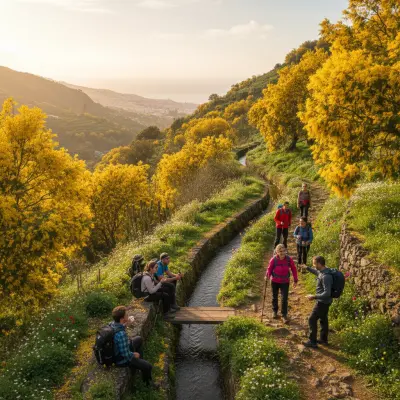
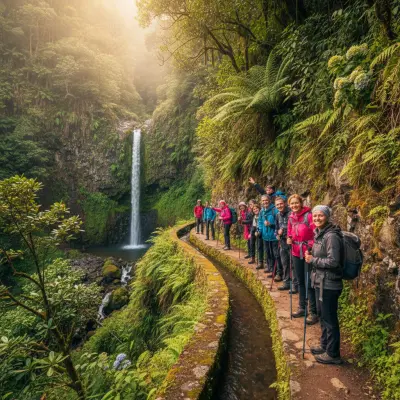
Around 3,000 km of levadas, irrigation channels built from the 15th century onward, now form the island's largest hiking network. Not all are equal: the Levada do Caldeirão Verde, starting from Queimadas near Santana, passes through hand-carved tunnels and ends at a 100-metre waterfall. The Vereda do Pico do Areeiro to Pico Ruivo is more demanding, walking above the clouds between the island's two highest peaks. The Laurissilva Forest, a UNESCO World Heritage Site, survives here as nowhere else in Europe, a living fossil from the Tertiary period covering much of the northern slopes.
Espada preta com banana is the signature dish, and it works better than it sounds, the deep-sea scabbardfish, with firm white flesh, pairs surprisingly well with the island's fried banana. Bolo do caco, a sweet potato bread baked on basalt stone, appears on every table and is eaten with garlic butter. Espetada madeirense, beef on bay laurel skewers, is festive food that became everyday. For dessert, bolo de mel (made with cane molasses, not honey despite the name) is dense, dark, and keeps for months.
Poncha, made from sugarcane spirit, honey, and lemon or passion fruit juice, is the mandatory drink. And Madeira wine, ranging from dry Sercial to sweet Malmsey, is one of the world's great fortified wines, worth a visit to the Funchal lodges, like Blandy's on Avenida Arriaga.
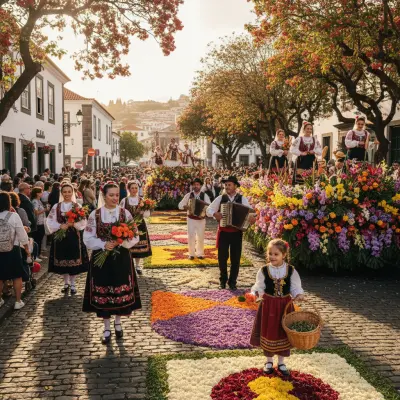
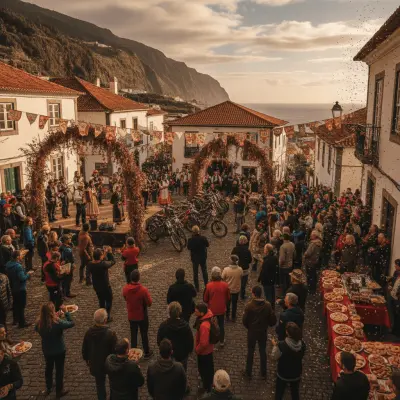
Madeira has mild weather year-round, but the best hiking conditions fall between April and October. Funchal fills up at Christmas and New Year, the December 31st fireworks display is among the largest in Europe and turns the bay into a genuine spectacle. The Flower Festival in April or May fills the streets with floral carpets. February brings Carnival, with parades that rival those on the mainland.
Many visitors spend three days in Funchal, do one levada walk, and leave. Madeira asks for at least a week. The north coast, from São Vicente to Santana, has a completely different personality from the south: greener, wetter, wilder. And renting a car is essentially mandatory; buses exist but don't serve anyone wanting to explore seriously. The roads are good, with modern tunnels that shortened journeys that once took hours.
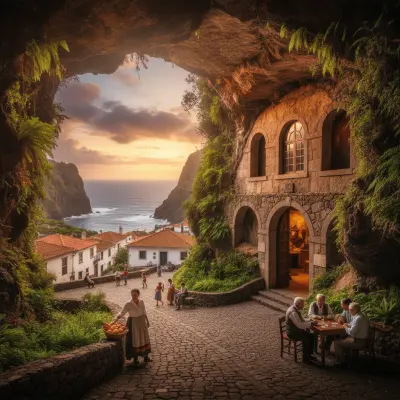
São Vicente has exactly one museum worth the ticket, carved into a 890,000-year-old lava tube. The rest of the day sorts itself out at the Clube Naval's black-rock pools and the bakery counter, with the bolo do caco still warm.
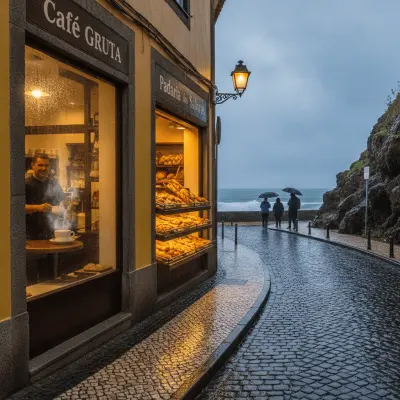
In São Vicente rain does not cancel the day, it just changes the plan: 890,000-year-old lava caves, three bakeries with the oven still warm, and a sea pool complex that gets more interesting exactly when the ocean turns rough.
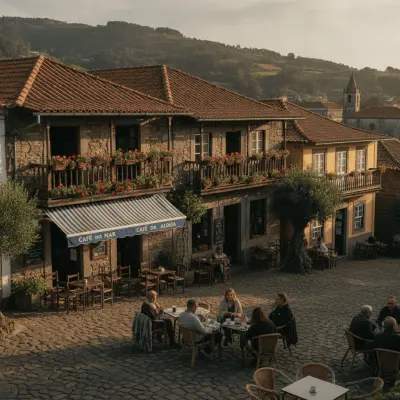
In São Vicente there are no tourist queues or Instagram cappuccinos, just three cafés that each serve a different purpose: warm bread by the beach, a proper sit-down coffee, and bags of pastries for the road. Here's the full route for one unhurried day.
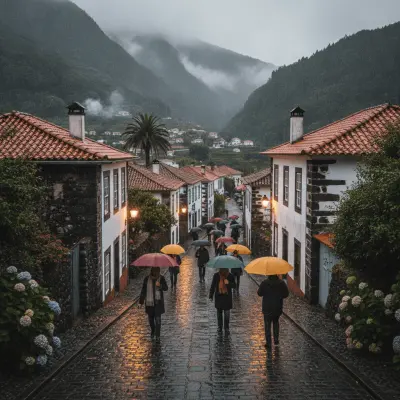
While Funchal collects sunshine, São Vicente collects clouds. Here's the real rainy-day route: volcanic caves, natural pools, and the bakeries where locals sit and watch the weather pass.