Visit
€€
Ilha das Aves
Ribeira Brava
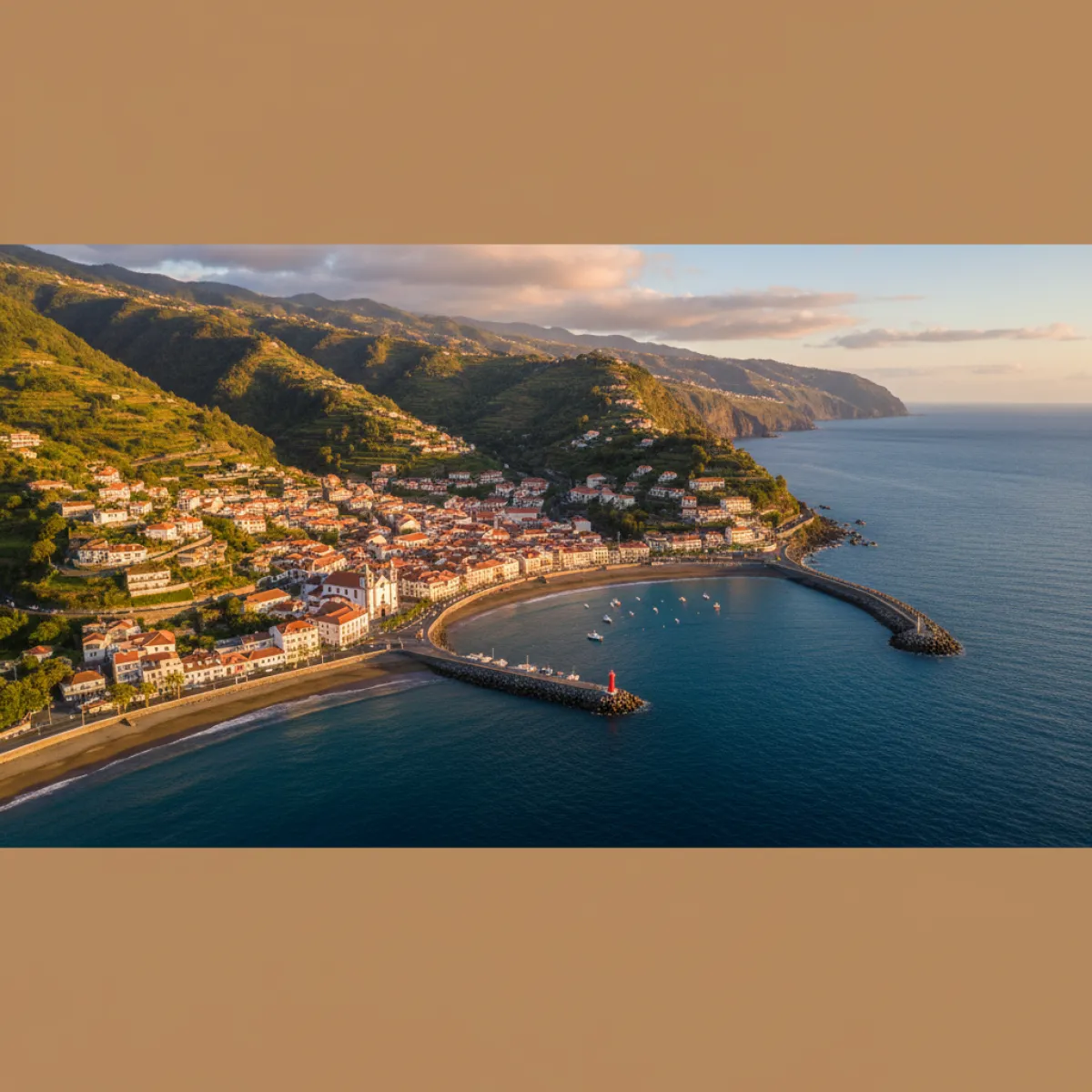
Ribeira Brava is the gateway to Madeira's mountainous interior, with a 19th-century market, the historic Church of São Bento, and direct access to Encumeada and Fajã dos Padres. Visit in late June for the Festas de São Pedro, with its maritime procession and beach-grilled espetada.
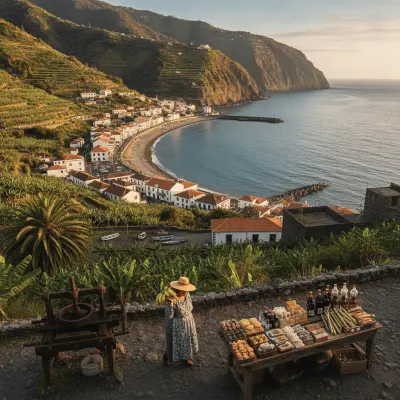
In Ribeira Brava, banana terraces run downhill until they nearly touch the pebble beach, and a former cane spirit distillery now houses the island's best ethnographic museum. A sweet itinerary along Madeira's south coast, from sugar history to bolo de mel.
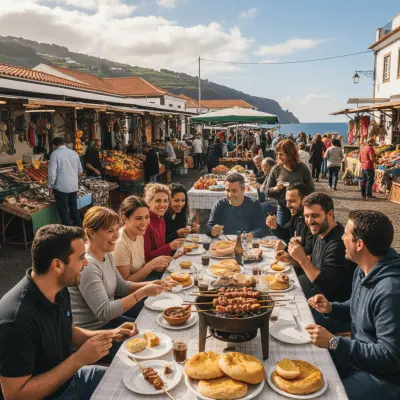
Tour buses give Ribeira Brava five minutes. Stay for lunch and you'll find a church with genuine Manueline detail, a market with no tourist theatre, and espetada on a bay laurel skewer the way it should be done. Three hours, no rush.
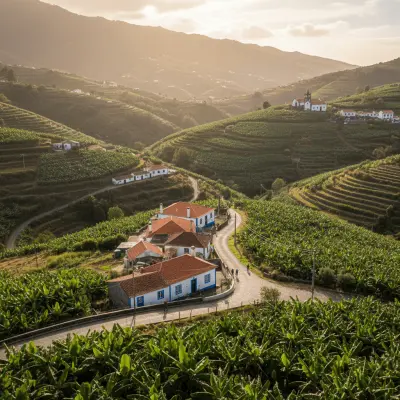
Everyone passes through Ribeira Brava on the way to Ponta do Sol and misses one of Madeira's most underrated towns. The 16th-century church nobody visits, banana terraces climbing nearly vertical slopes, and a fisherman's poncha that demands respect.
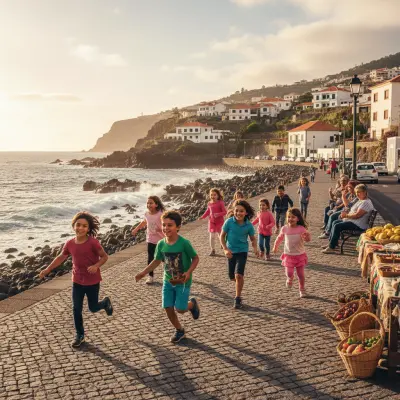
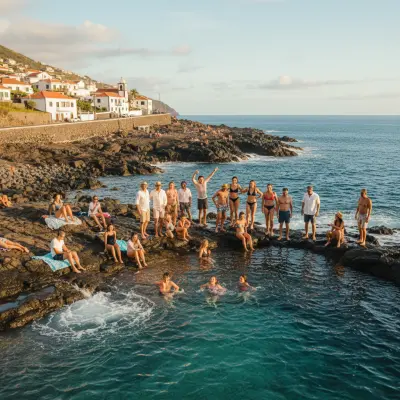
Ribeira Brava has no water parks or bouncy castles. It has a beach with free pools, a museum kids won't hate, and black scabbard fish with fried banana. Sometimes, that's all a family needs.
Ribeira Brava takes its name from the wild river that crashes down from the mountains, cuts through the centre of town, and empties into the Atlantic. After heavy rain in the highlands, the river earns every letter of its name, a brown torrent that turns the town centre into something dramatic and entirely normal to locals. On dry days, which are most days, this is a quiet south-coast town less than 30 minutes from Funchal by motorway, and the main gateway to Madeira's mountainous interior.
Start at the Mercado Municipal on Rua Gago Coutinho e Sacadura Cabral. The 19th-century market building still houses fish, fruit, vegetable and handicraft stalls. Mornings, especially weekends, are best, you'll find tropical fruit at prices well below Funchal's, from custard apples to passionfruit and local bananas that still smell like the field. From the market, the seafront promenade leads to a pebble beach where the Atlantic hits hard enough to remind you this is an ocean island.
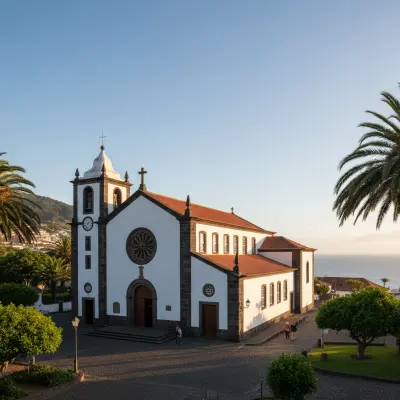
The Igreja Matriz de São Bento, already listed on boa.pt, deserves a slow visit. It's one of the oldest churches in the diocese, mixing Manueline and Baroque elements, and its bell tower topped with blue-and-white tiles is impossible to miss. Steps away, the Madeira Ethnographic Museum occupies a restored building and explains, through real objects, how islanders lived, from weaving to wine and aguardente production.
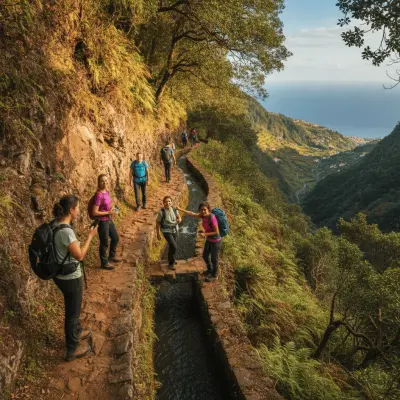
Ribeira Brava is the starting point for Encumeada, the mountain pass at 1,007 metres that separates the north and south coasts. The road climbs through tight switchbacks, eucalyptus and laurel forest, and at the top there's a viewpoint where, on clear days, you can see the sea on both sides of the island. Levada trails start here, including sections of the Levada do Norte. Fajã dos Padres, accessible by cable car, offers a secluded beach surrounded by tropical fruit trees, a place with no road access and very few crowds.
The best time to visit is late June, during the Festas de São Pedro, honouring the patron saint of fishermen. The town fills up for the maritime procession with decorated boats and the Dança das Espadas, a sword dance performed by seven men in red blouses and green feathered caps, moving to the rhythm of tambourines. There's espetada grilled on the beach, and the atmosphere is genuinely local, not staged for visitors.
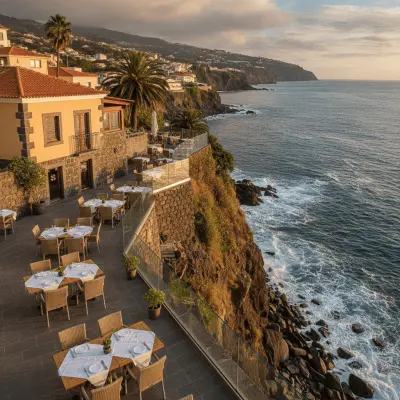
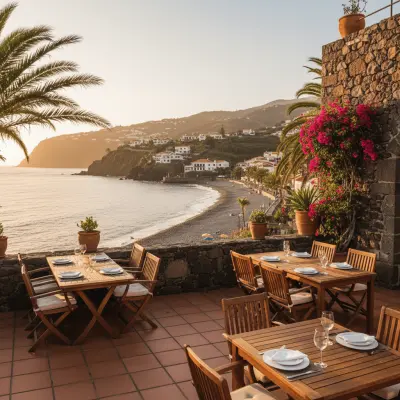
Outside festival season, any seafront restaurant serves espada com banana, black scabbardfish with banana and passionfruit, the defining dish of Madeira's coast. Order bolo do caco with garlic butter on the side, and don't leave without trying bolo de mel, a dense, dark cake made with sugarcane molasses. Half a morning covers the town itself; a full day if you want to drive up to Encumeada or take the cable car down to Fajã dos Padres.