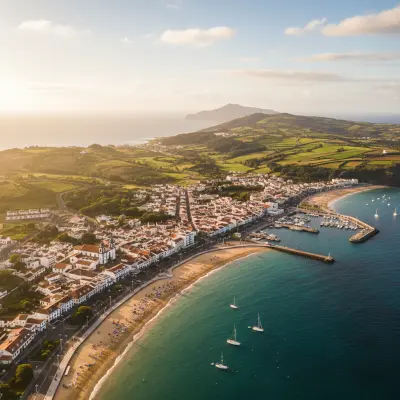
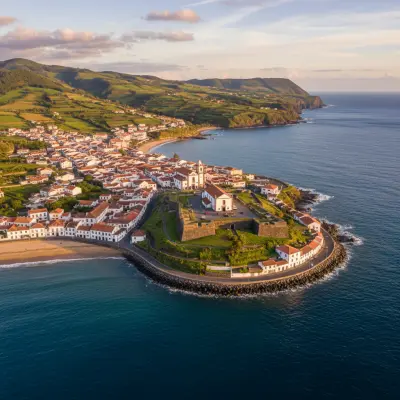
The Azores are nine islands in the middle of the Atlantic where the weather changes four times an hour and clock time feels irrelevant. Anyone arriving in São Miguel expecting a tropical destination is in for a shock: it's green, humid, and temperatures rarely exceed 25°C even in August. That's exactly why it works.
Nine islands, nine personalities
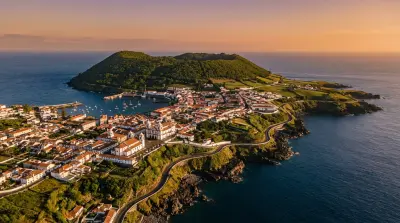
The most common mistake is treating the Azores as a single destination. São Miguel is the gateway, the largest island, with Ponta Delgada as the regional capital, Sete Cidades with its bicoloured lagoon, and Furnas where cozido stew is literally cooked underground by volcanic heat. But staying only in São Miguel is like visiting Lisbon and claiming you know Portugal.
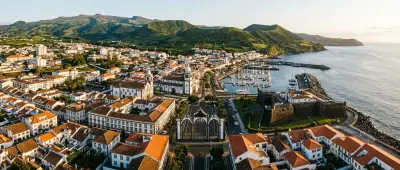
Terceira has Angra do Heroísmo, a UNESCO World Heritage site with a Renaissance urban grid that survived earthquakes and centuries of Atlantic fleet stopovers. The touradas à corda during summer festivals, where a bull runs through the streets held by a long rope managed by shepherds, exist nowhere else in the world.
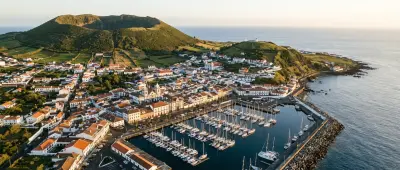
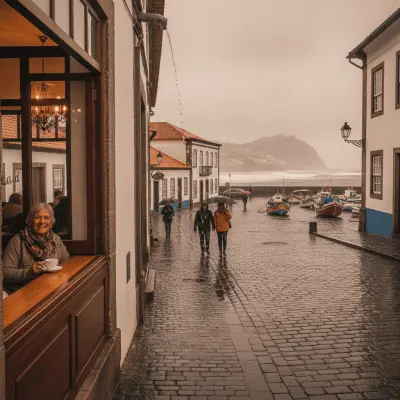
Faial has Horta, with its transatlantic port of call where sailors from around the world leave paintings on the marina jetty, a superstitious tradition nobody dares break. Pico, visible from Faial on clear days, has UNESCO-listed vineyards planted in black basalt corrals, and Portugal's highest point at 2,351 metres.
What to eat
The Furnas cozido is mandatory in São Miguel, pots buried beside fumaroles for hours. But there's more: Terceira's alcatra, slow-cooked in a clay pot with local pepper; octopus stew that appears on practically every island; and the cheeses, especially São Jorge, aged and sharp, probably the best Portuguese cheese that most mainland Portuguese have never properly tasted.
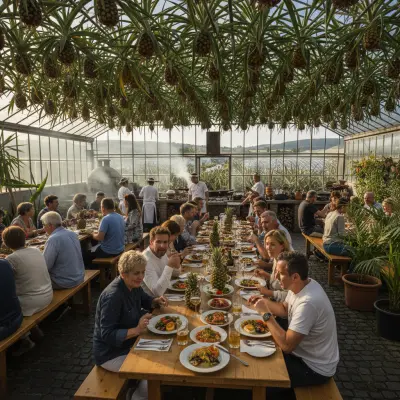
Azorean pineapples, grown in greenhouses in São Miguel since the 19th century, are small, intensely sweet, and nothing like supermarket fruit. Gorreana tea, Europe's last remaining tea plantation, has been producing green and black tea since 1883, you can visit the factory and fields without booking.
When to go
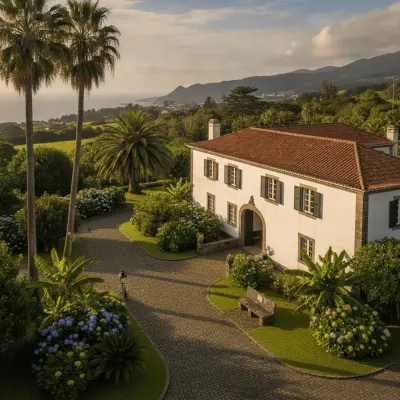
June to September is the most stable period, but "stable" in the Azores means it rains less, not that it doesn't rain. Always bring a waterproof jacket regardless of the forecast. May and October are excellent, fewer crowds, lower prices, and the blue hydrangeas lining São Miguel's roads peak in July and August.
The Festas do Espírito Santo, running from May to September, are the Azores' most distinctive tradition. Each parish organises its own, with sopas do Espírito Santo distributed to the entire community, a medieval tradition that survived intact in the Azores while it largely disappeared on the mainland.
What most tourists get wrong
The Azores aren't cheap. Ryanair and SATA low-cost flights brought affordable travel, but accommodation and dining on the islands have climbed steadily. Renting a car is essential on any island, public transport is limited and the best spots require mobility. And distances between islands are real: flying from Faial to São Miguel takes an hour, and ferries between island groups are seasonal and weather-dependent.
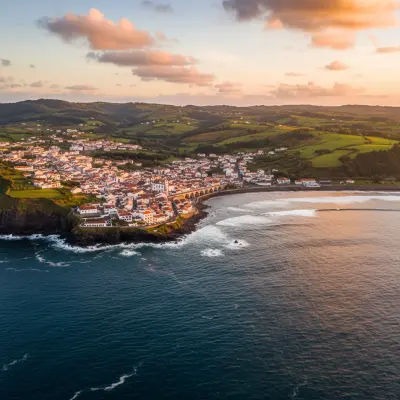
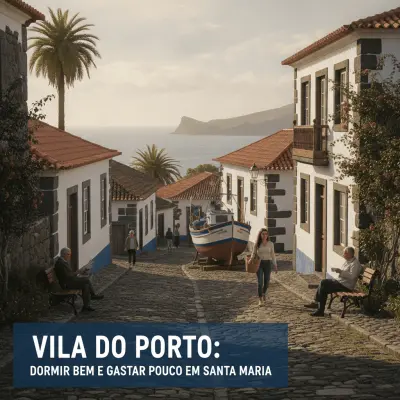
Ribeira Grande, on São Miguel's north coast, deserves more than a quick drive-through. Vila do Porto on Santa Maria, the southernmost and driest island, has sandy beaches the other islands simply can't match.