Where Ribeira Grande Eats: The No-Tourist Food Guide
In Ribeira Grande you still eat like it's thirty years ago: queijadas for breakfast, alcatra and limpets for lunch, tea from Europe's only plantation in the afternoon. A guide with no tourist menus, just what to order and what to skip.
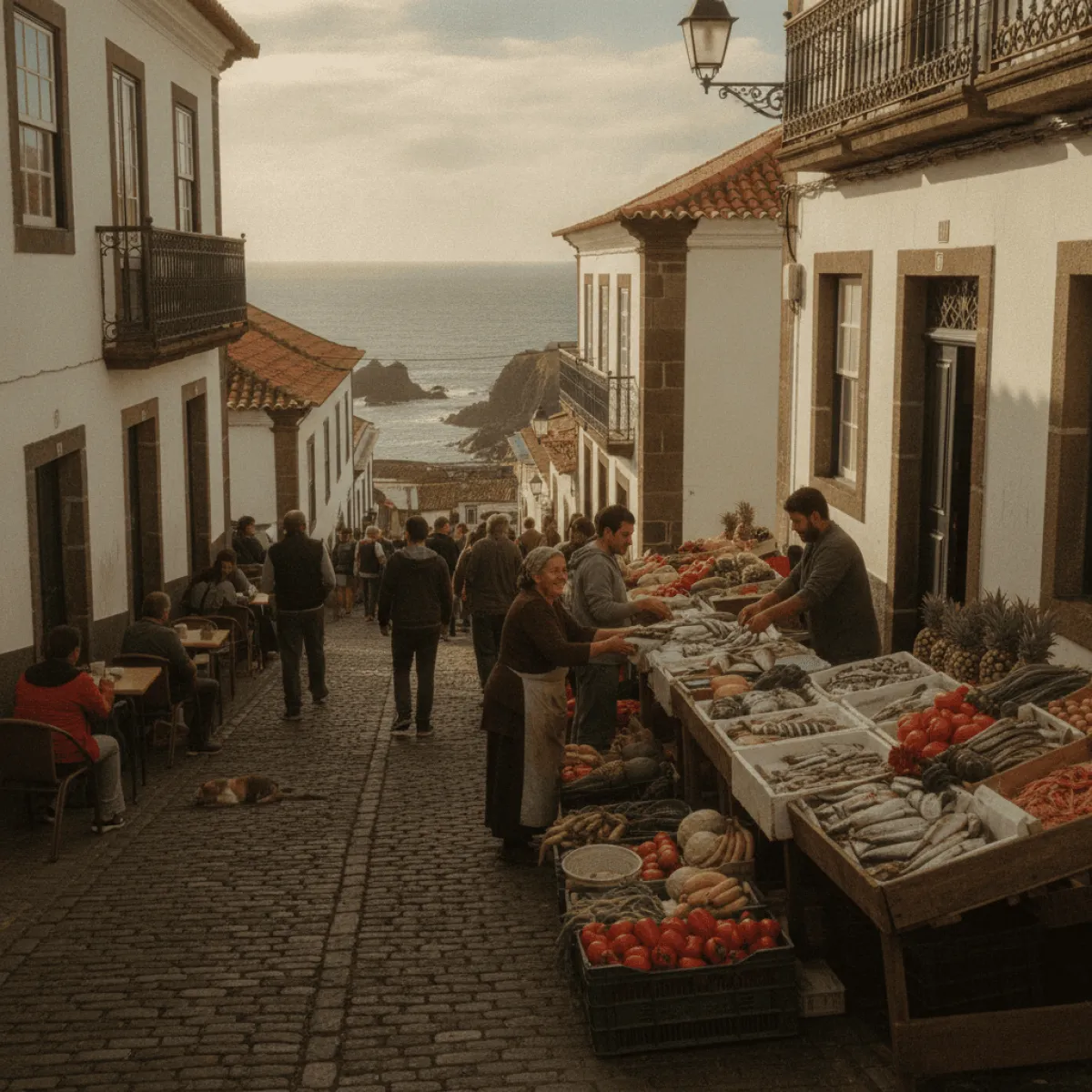
Ribeira Grande has none of Ponta Delgada's bustle and none of Horta's cosmopolitan swagger. It is the second-largest town in the Azores and still runs at village pace: at eight in the morning, near the eight-arched bridge in the old quarter, the smell of fresh bread reaches you before you spot a single open bakery. That is exactly why you eat well here. There are no menus in four languages, no laminated photos of tourist set lunches. There is food people eat because they have always eaten it, and on São Miguel that is half the battle won toward a meal you will remember.
This is not a list of starred restaurants. It is a guide to eating like someone who lives here, from the morning fried dough to the last glass of rough red wine at night. And yes, I will tell you what to order and what to ignore.
Start with sugar: mornings are made in the pastry shop
The micaelense takes breakfast seriously, and in Ribeira Grande that means fried dough and custard. The queijada da Vila is the local specialty: small, made with egg yolk and cinnamon, completely different from the queijadas you find on the mainland. Do not confuse it with the Graciosa version or the Morgado ones, they are another thing entirely. Order two, because one is never enough, and chase it with a galão. You will pay loose change for this compared to any Lisbon pastelaria.
If it is the weekend, hunt down malassadas, especially around Carnival and the Holy Spirit festivals, when they appear everywhere. They are the Azorean answer to the doughnut, fried and dusted with sugar, and they must be eaten hot, standing up, no ceremony.
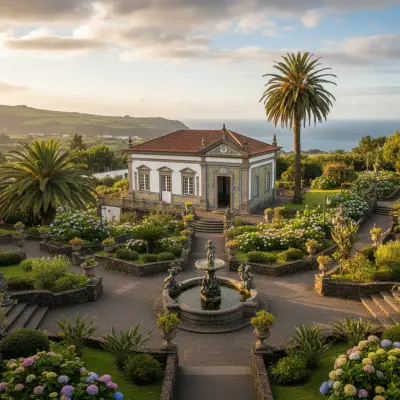
After the sugar, walk. The historic centre is best on foot: the Jardim Municipal de Ribeira Grande, with its formal flowerbeds and the view toward the church, is the right place to let the galão settle before you start thinking about lunch. Find a bench, watch the town wake up, and resist the urge to over-plan. The best meals here are not planned.
Lunch for real: where the town eats with a fork in hand
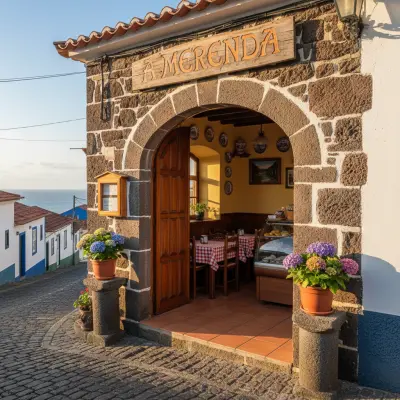
Here is my central recommendation, and I do not make it lightly: A Merenda is where you should have lunch. It is honest Azorean cooking, the kind that does not try to impress anyone and therefore impresses everyone. Go hungry, go with time to spare, and do not count calories.
What to order? If alcatra is on the menu, get it. It is the signature dish of Terceira island but it has spread across the whole archipelago: beef braised slowly in a clay pot with wine, allspice and onion until it falls apart. On São Miguel you will also find cozido das Furnas, cooked underground by volcanic heat, but that is a pilgrimage of its own and not something you rush at a weekday lunch.
For fish, trust whatever is fresh that day. Fried horse mackerel, tuna steak with onion sauce, grilled limpets with garlic and butter, all of it is safe ground. The limpets especially are the starter that defines the Azores: small molluscs prised off the rocks, grilled in their own shell, doused with lemon. Order a plate to share before the main.
Drink vinho de cheiro alongside it, the rustic, slightly vinegary red the locals make from isabella grapes that shocks anyone not used to it. It is not a great wine in any technical sense. It is a table wine with history, and you drink it here because it is from here. If you want something more conventional, ask for a Terras de Lava or a Biscoitos red from Terceira.
What it costs and when to go
- A full lunch with a starter, a main and house wine rarely climbs past the price of a good mainland tasca. Check locally, but expect a generous meal without breaking the bank.
- Come for lunch, between 12:30 and 2pm, when the kitchen is at full tilt and the room is full of locals.
- On Sundays many families eat out, so book ahead or arrive early.
The afternoon tastes of tea: Europe's only plantation is next door
After lunch, do what any self-respecting micaelense does: let the food settle on the way to tea. A few kilometres from Ribeira Grande, on the north coast, lie the plantations that grow the only commercially cultivated tea in Europe. A visit to the Gorreana and Porto Formoso estates is worth it not just for the landscape of green terraces sloping down to the sea, but because entry to Gorreana is free and you can taste the freshly processed black and green tea, still warm, without paying a cent.
A black orange pekoe with a slice of cake is the perfect intermission before the second half of the day. It is also your cue to understand something about Azorean food: much of what you eat here comes from land or sea a few kilometres away, and that proximity is the whole secret. There is no farm-to-table posturing. It is simply how it has always been.
Volcanic heat and an open appetite
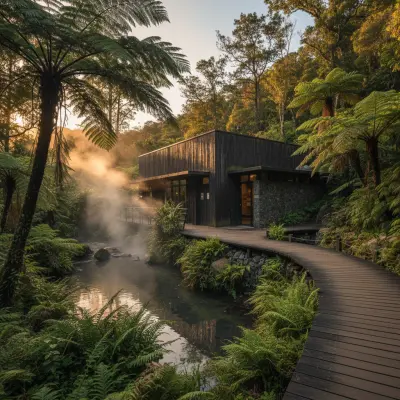
If you want to work up your appetite for dinner, head up into the hills. The Caldeira Velha environmental centre guards one of the island's best natural thermal pools: a hot waterfall tumbling into a steaming lagoon in the middle of a fern forest. Bring a swimsuit, arrive early to beat the tour buses, and be ready to leave ravenous. The water hovers around the low thirties Celsius and the steam rises through the greenery as if the mountain were breathing.
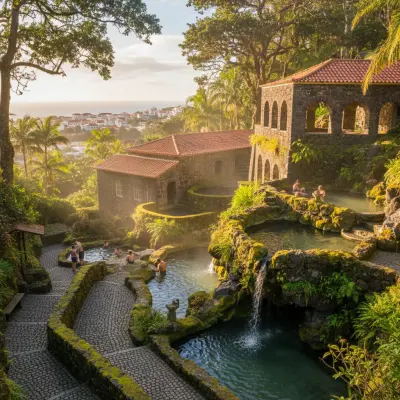
Closer to the centre, the Termas das Caldeiras da Ribeira Grande offer another version of the same geothermal pleasure, with iron-rich springs right at the edge of town. It is proof that on São Miguel the volcano is not just in the landscape: it is in the food cooked in the ground, the water that warms your body, and even the mineral taste of some of the water you drink around here.
For early risers: surf and a salty breakfast
There is a school of eating that begins before the rest of the town wakes. Santa Bárbara, a few minutes' drive away, has the north coast's best surf beach, all black volcanic sand. A dawn surf session on the black sand opens your appetite like nothing else, and walking out of the water with salt on your skin, any queijada da Vila tastes twice as good. Even if you do not surf, go watch the sunrise hit the waves: it is free and there is no better aperitif.
Dinner and the rest of the archipelago
By dinner, Ribeira Grande quietens down. The town is not Ponta Delgada and does not pretend to be. For a more elaborate meal, many locals drive down to the capital, twenty minutes away, where the choice is wider. If you are building an island food itinerary, it is worth reading about the gastronomic trek through Ponta Delgada to see where Azorean cooking turns more ambitious, from the cozido das Furnas to the seafood restaurants by the marina.
But my advice is to stay. Eat simply: a cabbage broth, a regional steak with an egg on top and fries, a dessert of Azorean pineapple, a fruit grown this way on a single island in the world. Finish with an aguardente or a glass of passion fruit liqueur, and call it a day well eaten.
If your trip takes you to other islands, the logic changes but the philosophy holds. On Faial, the town of Horta has a cosmopolitan life built around sailboats and sailors from the whole world: it is worth knowing how to make the most of 24 hours in Horta and where to find the best rooftops and panoramic views in town, including the legendary Peter Café Sport, an obligatory stop for anyone crossing the Atlantic under sail. But that is another trip. For now, stay in Ribeira Grande, order another plate of limpets, and let the town teach you the right rhythm.
The essentials in three lines
- Morning: queijada da Vila and a galão at an old-quarter pastry shop, a stroll through the municipal garden.
- Lunch: A Merenda, order alcatra or the fish of the day, limpets to share, vinho de cheiro for courage.
- Afternoon and night: tea at Gorreana, a hot soak at Caldeira Velha, a simple dinner in town.
Ribeira Grande will never appear on lists of food cities to visit before you die. Good. That is precisely why you can still eat here what people ate thirty years ago, at the same fair price, in the same room where the cook knows your name by the second day. Come hungry and unhurried. The island handles the rest.