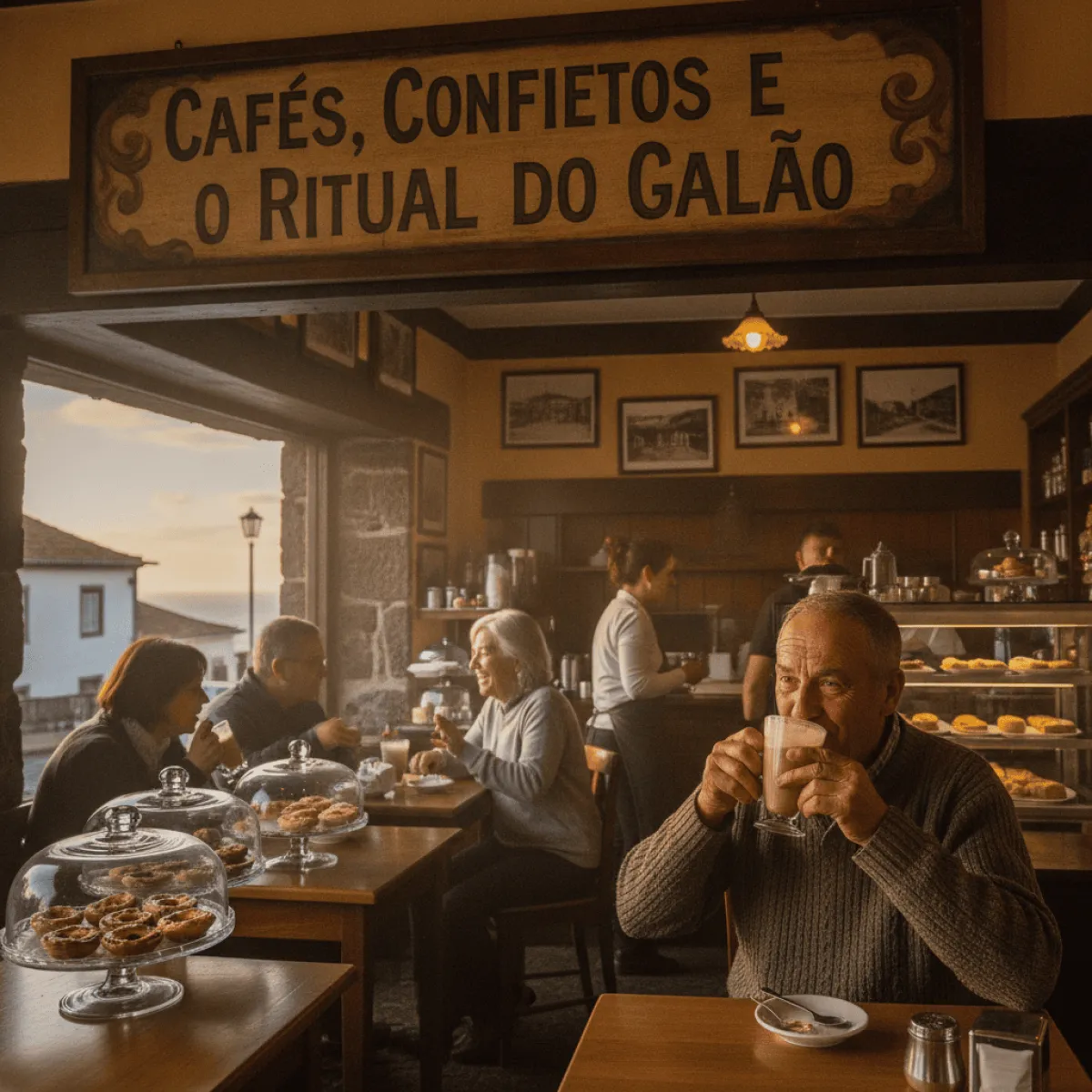
Ribeira Grande: Cafés, Confeitos and the Coffee Ritual
In Ribeira Grande, coffee is an excuse to slow down. An honest guide to what to order at the counter: griddle cooked bolo lêvedo, fennel confeitos, Gorreana tea, and the galão that tastes better after a surf.
Here is something nobody tells you about Ribeira Grande before you arrive: life does not happen in a hurry. It is the second largest town on São Miguel, with an eight arch bridge over the river that gave it its name, a baroque staircase climbing to the main church, and basalt streets that tumble down toward the sea. But what people actually do here, in the morning and again mid afternoon, is sit at a table, order a coffee, and stay. Anyone arriving in search of a Lisbon style specialty coffee scene will leave disappointed. Anyone arriving to understand how an Atlantic town organises its whole day around a single cup will leave understanding everything.
This is not a list of twenty names. It is a guide to what to order, where to sit, and why it is worth treating coffee here as a ritual rather than a technical refuelling stop.
The mental map: navigate by the garden
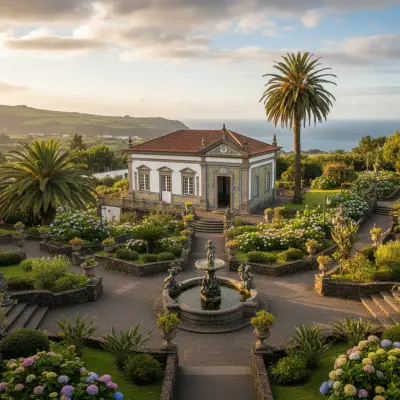
The first rule in Ribeira Grande is simple: navigate by the green. The Ribeira Grande Municipal Garden is the town's centre of gravity, with its laid out flowerbeds, shaded benches, and the steady traffic of locals passing through on errands. Almost everything that matters for a morning of coffee sits within a five minute walk: the main avenue, the area around the town hall, the streets climbing toward the church.
My practical advice is this: do not over plan. Park near the garden, which has plenty of space outside the morning rush, and do the rest on foot. Ribeira Grande rewards slow walkers and punishes anyone trying to knock back three coffees in fifteen minutes.
What to order at the counter: the grammar of coffee
Before we get to the pastries, one thing needs sorting: how to order coffee in the Azores without sounding like a lost tourist. The rules are the same across Portugal, but they are worth knowing.
- Café: the espresso, short and strong. Just ask for "um café" and nobody blinks. Around 70 cents to 1 euro.
- Meia de leite: half coffee, half milk, served in a cup. This is what most locals order at breakfast.
- Galão: the tall version, in a glass, more milk than coffee. The natural partner to a pastry. Roughly 1.50 euros, but check locally, as prices vary.
- Garoto: like the meia de leite but smaller, in an espresso cup.
The classic visitor mistake is ordering a cappuccino and expecting latte art. Order a galão and a bolo lêvedo and you are speaking the right language.
The holy trinity of the pastry case
The bolo lêvedo, king of breakfast
If you taste only one thing in Ribeira Grande, make it the bolo lêvedo. It is a round, flat, lightly sweet bread, cooked on a griddle rather than in an oven, which gives it that golden tone and soft, springy crumb. It originates in Furnas but is eaten across the whole island, and in Ribeira Grande any self respecting pastry shop has it fresh in the morning. Ask for it split open with butter melting into it, and pair it with a galão. Hot, it costs you a couple of euros and keeps hunger away until lunch. Some add fresh island cheese or pineapple jam; try it, but the plain buttered version is hard to beat.
The confeitos, the heritage hiding in plain sight
Here is the secret that sets Ribeira Grande apart from any other São Miguel town: the confeitos. These are small pastel coloured sugar drops, each one hiding a seed of fennel, anise, cinnamon, or sweet herb at its centre. The craft of making them has been rooted in the town's workshops for generations, and they are still sold in grocers and pastry shops in the centre. They are not exactly a table dessert, but order a cup of coffee, buy a small bag of confeitos, and let one dissolve slowly between sips. It is the local definition of quiet sweetness. Take a box home; they travel well and are the most honest gift you can bring back from São Miguel.
The queijadas, the temptation from the next town over
Let us be precise: the true queijada comes from Vila Franca do Campo, a few kilometres to the southeast. But the influence reaches Ribeira Grande and few pastry cases are without them. They are individual tartlets, thin pastry filled with milk, sugar, eggs, and cinnamon, with a lightly toasted top. Order one with your mid afternoon coffee. Two is greed, but I will not judge you.
When coffee gives way to tea
There is a reason Ribeira Grande has a special relationship with hot drinks that involve no coffee bean at all: right next door grows the only commercially cultivated tea in Europe. The Gorreana and Porto Formoso estates sit a few minutes' drive along the north coast, and a morning spent on a visit to the Gorreana and Porto Formoso tea estates is well worth it. Azorean black tea is full bodied without bitterness, and in Ribeira Grande you will find it served in several cafés and pastry shops. Order it plain, no milk or sugar for the first cup, just to understand what it means to drink tea made three kilometres away. After that, do as you please.
This is the real identity of the region's hot drink: while the coffee comes from abroad, the tea is homegrown. Drink both and you grasp the geography of the Azorean plate and cup better than in any museum.
For when a counter is not enough: A Merenda
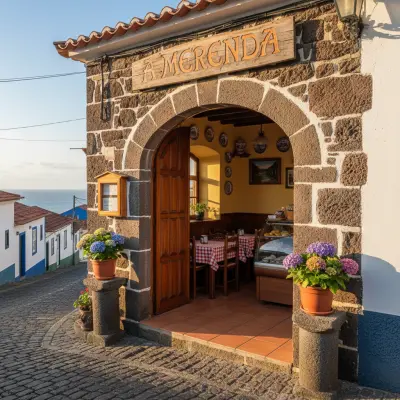
Not everything is solved at a standing counter. When the morning calls for something more substantial, or when breakfast slides into an early lunch, it is worth booking a table at A Merenda. It is the kind of place where coffee stops being the lead act and becomes the full stop at the end of an unhurried meal. Use it as a base to reorganise your day: eat well, drink your coffee at the table, and decide where to head next.
What to do with the morning after the coffee
A good day in Ribeira Grande does not end at the table, it starts there. Coffee is the fuel, not the destination. Once you have the galão and the bolo lêvedo on board, you have three obvious paths.
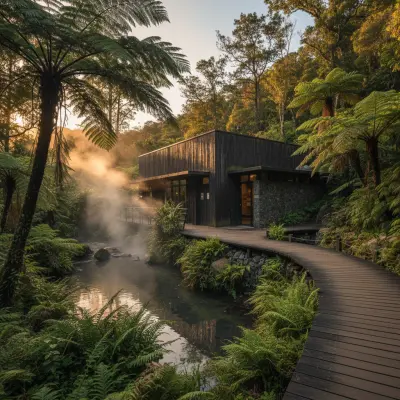
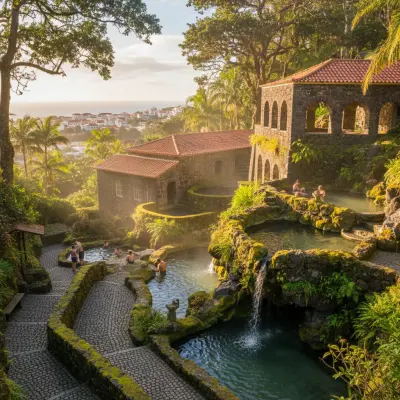
If the sky is clear, head up into the hills to the Caldeira Velha environmental interpretation centre, where hot springs spill among giant ferns in a volcanic setting. It is the best way to burn off the sugar from the confeitos. Alternatively, closer to the centre, the Termas das Caldeiras thermal springs show the iron rich, steaming side of these waters, and you understand why this land literally boils beneath your feet.
If you are more sea than mountain, the black sand beach of Santa Bárbara is the high point of north coast surfing. Anyone wanting to get properly wet can book a dawn surf session at Santa Bárbara and return to town mid morning hungry for a bolo lêvedo. Trust me: coffee tastes far better after an hour in cold water.
The right rhythm for a day of coffee
If you want a plan that works, do this. Start early, around half past eight, with the town still waking up and the smell of fresh bread drifting from the avenue's pastry shops. Take your first coffee by the garden and watch Ribeira Grande get moving. Mid morning, stretch out to Caldeira Velha or the beach. Early afternoon, come back for a second coffee, this time with a queijada, and let the heat ease off. It is a plan with no stress, no queues, no compulsory reservations, and that is exactly the point.
A note on hours and money: most pastry shops open early and close in the late afternoon, and many shut one day a week. Check locally before counting on a specific stop. Always carry some cash, because for a coffee and a pastry the card is not always worth it, and at many small counters it is simply faster.
Why this matters
Ribeira Grande will never appear on lists of the world's best coffee shops, and good. What it offers is rarer than a perfect flat white: a place where coffee is still an excuse to slow down. You drink a galão next to people who call the waiter by name, eat a griddle cooked bolo lêvedo in the morning, carry off a box of confeitos whose recipe crossed generations, and taste a tea grown minutes away. If you want to compare this calm with the gastronomic intensity of the island capital, our guide to the volcanic cuisine of Ponta Delgada shows the other side of the coin. But if you ask me where coffee is drunk with the most meaning on São Miguel, I will point you to a shaded table in Ribeira Grande, in no rush at all to leave it.