The Volcanic Plate: A Gastronomic Trek through Ponta Delgada
Explore the volcanic soul of Ponta Delgada through a gastronomic trek that prioritizes local products, from the Mercado da Graça to the unique pineapple greenhouses of Fajã de Baixo. An essential guide to authentic Azorean flavors.
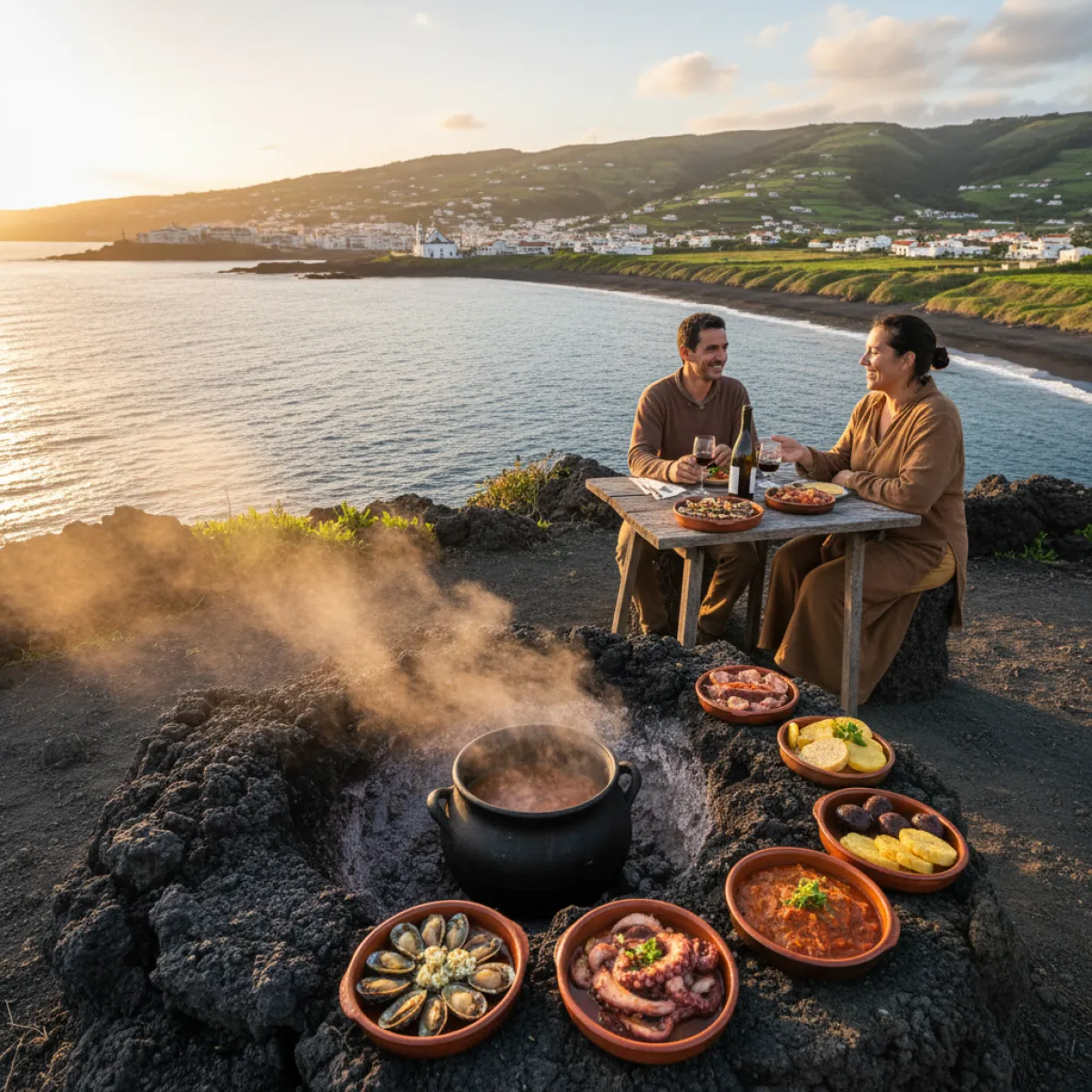
The Basalt Pulse and the Kitchen of the Mist
Ponta Delgada is not a city of easy aesthetic wins or sun-drenched Mediterranean clichés. Here, the architecture is a stark, binary conversation between white lime and black basalt, a duality that reflects with geological precision onto the Azorean table. Eating in São Miguel is an exercise in patience and an initiation into absolute seasonality. This isn't just sustenance; it is a narrative of geographic isolation turned into a profound culinary virtue. The soil, rich in minerals and tempered by volcanic steam, dictates the rules of a game where flavor is dense, honest, and stripped of unnecessary ornament.
As you navigate the narrow streets that converge upon the harbor, it becomes clear that the local gastronomy is the result of a precarious balance between the raw power of the Atlantic and the startling fertility of the pastures climbing the island’s slopes. This trek does not seek the obvious, but rather the essence of a capital that, despite its role as a cosmopolitan port of call, maintains an unbreakable umbilical cord to the land and the deep sea.
Mercado da Graça: The Sanctuary of Pimenta da Terra
The starting point is non-negotiable: Mercado da Graça. Early in the morning, the air is saturated with the pungent aroma of pimenta da terra, a fermented chili paste that is, without hyperbole, the DNA of the island's cooking. In the market, pimenta da terra is more than an ingredient; it is a currency of cultural exchange. The stalls overflow with small-crowned pineapples, earth-covered yams, and the ubiquitous São Miguel cheeses, with aging profiles ranging from buttery and mild to the aggressive, spicy notes of nine-month-cured wheels.
This is where one truly grasps the weight of local production. Seek out the fruit sector and observe the selection of exotic specimens arriving from the slopes of Caloura or the greenhouses on the city's outskirts. The pineapple, in particular, demands a reflective pause. Unlike the watery tropical varieties found in mainland European markets, the Azorean pineapple is grown in white-washed glass greenhouses using century-old methods. This results in a fruit with balanced acidity and a density of flavor that justifies its global prestige. To fully understand this labor-intensive process, an exploration of Pineapple Greenhouse Gastronomy: The Unique Tradition of Fajã de Baixo is essential, illustrating how the cultivation method translates directly to the plate.
The Taverna Ritual and Product Integrity
Less than ten minutes from the market on foot, the historic center houses several of the city’s most respected institutions. A Tasca is the definitive example of how simplicity can be elevated. In a space where wine bottles line the walls from floor to ceiling, the order of the day is petiscos (small plates). The yam with local sausage (linguiça) and the blood sausage with pineapple represent the perfect marriage between the fruit’s bright sweetness and the rich, spiced fat of local charcuterie. A meal here is moderately priced, typically ranging from 20 to 30 euros per person, but the sensory return is immense.
Grilled limpets (lapas) are fundamental, served in their shells with a generous amount of garlic and butter. Equally vital are the cracas, barnacles that resemble fragments of lunar rock and hold the purest, most concentrated essence of the ocean within. Eating cracas is a ritual: one uses a small metal hook to extract the creature, followed by a sip of the seawater trapped in its cavity. It is the definition of terroir, or perhaps more accurately, "merroir."
The Beef: Terroir of the Green Hills
One cannot discuss Ponta Delgada without addressing its beef. The cows that dot São Miguel’s emerald landscape produce meat of exceptional quality, raised exclusively on grass in a humid, temperate climate. In specialized restaurants like the Associação Agrícola de São Miguel (a short drive from the center), the beef is served without artifice: a thick cut, fried garlic, pimenta da terra, and a fried egg. The texture is tender yet possesses a structural integrity that demands chewing, revealing notes of fresh grass and deep mineral undertones.
For those seeking a contemporary edge, venues like Otaka introduce fusion techniques, utilizing the incredibly fresh catch from the local auction, tuna, amberjack, or bluefish, in preparations that respect Japanese precision while retaining an Azorean soul. Prices here are higher, but the investment is validated by the meticulous curation of ingredients.
From Volcano to Ocean: Shifting Perspectives
While São Miguel dominates with its scale and agricultural intensity, the Azores offer fascinating variations on the same theme. If your gastronomic interest is paired with a curiosity for the archipelago's nautical soul, look toward the other islands. Faial, with its internationally renowned harbor, offers a distinctly different atmosphere. Our guide to 24 Hours in Horta: Cosmopolitan Soul in the Heart of the Atlantic is an excellent resource for those planning a multi-island circuit.
The transition from Ponta Delgada to Horta reveals an archipelago of sharp contrasts. While Ponta Delgada is grounded, telluric, and market-focused, Horta is defined by the rhythm of sailors and transatlantic routes. To appreciate this shift in perspective, both literal and figurative, consult the recommendations in Atlantic Vantage: The Finest Rooftops and Panoramic Views in Horta, which captures the essence of Faial life from above.
Practical Information for the Discriminating Traveler
To experience Ponta Delgada at its peak, avoid the harshest winter months unless you have an affinity for the melancholy of thick fog. Spring and early autumn are ideal, as agricultural production is at its height and temperatures remain mild.
- Timing: Mercado da Graça peaks on Friday and Saturday mornings. Arrive before 10:00 AM to witness the best seafood and the vegetable stalls in full swing.
- What to Order: Grilled lapas, Bife à Regional, São Miguel cheese, and the local pineapple (with or without liqueur).
- Reservations: For staples like A Tasca or Otaka, reservations are mandatory several days in advance, especially during the high season.
- Budget: Ponta Delgada remains one of the best-value capitals in Europe. A complete dinner at a top-tier restaurant rarely exceeds 40 euros per person, including local wine.
Ponta Delgada is a city that rewards appetite and curiosity in equal measure. Do not rush. Allow the taste of the basalt and the freshness of the Atlantic to guide your steps through this unique culinary expedition in the heart of the ocean.
