
Sleep
€€
Hotel Columbano
Peso da Régua

The Douro's schist terraces are a UNESCO World Heritage Site, but the valley that day-trippers see from Pinhão is only the beginning. Beyond Peso da Régua, the Douro Superior holds February almond blossoms, vertigo-inducing viewpoints, and DOC wines that rival any region on earth.
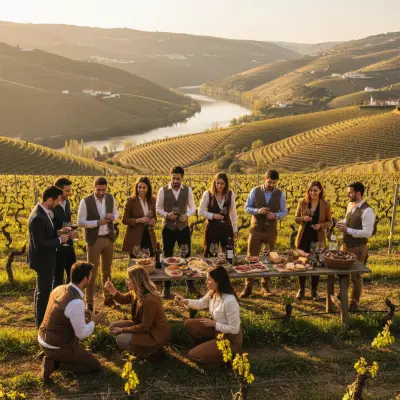
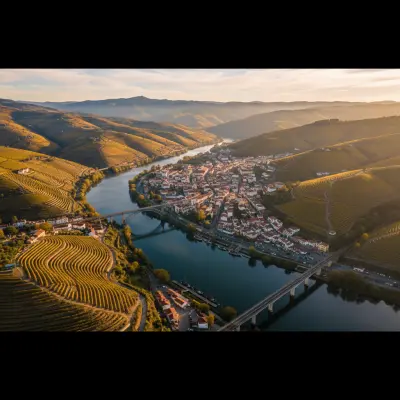
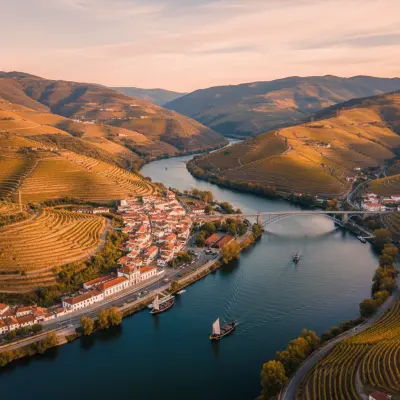
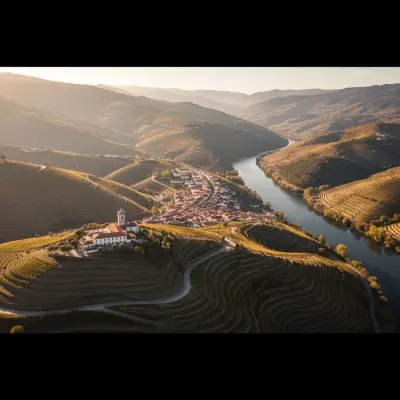
The Douro is, first and foremost, a river that carved a landscape over millennia. The schist terraces climbing from the riverbanks aren't decoration, they're the result of generations of manual labour, stone upon stone, planting vines where logic said it couldn't be done. When UNESCO classified the Alto Douro Wine Region as a World Heritage Site in 2001, it recognised exactly this: a landscape shaped by human stubbornness.
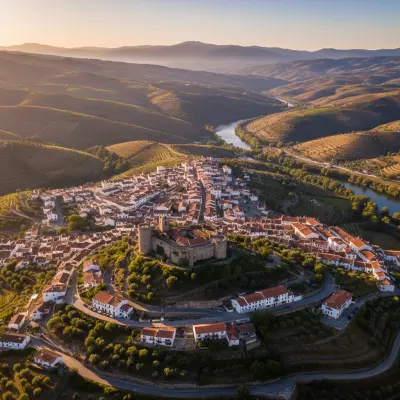
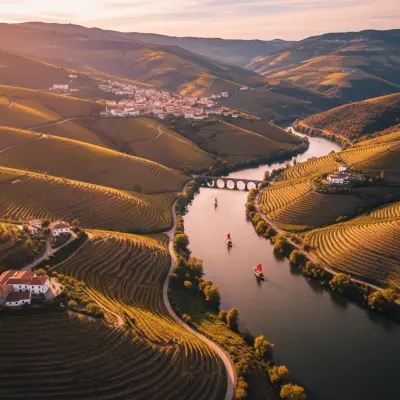
The region stretches along the river, from Baixo Corgo to the Douro Superior, and each zone has its own personality. Peso da Régua works as the gateway, it's where many visitors arrive by train and where services are concentrated. Pinhão, a few kilometres upstream, is the postcard: the railway station with its azulejo tile panels, historic wine estates on the surrounding hillsides, rabelo boats moored at the quay.
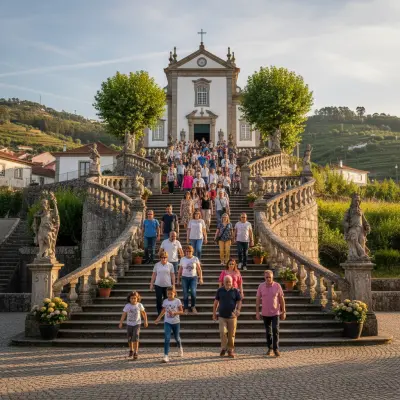
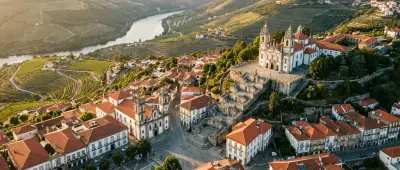
But the Douro that surprises lies further east. São João da Pesqueira, at the highest point above the river, offers viewpoints like São Salvador do Mundo that leave anyone speechless. Torre de Moncorvo, already in the Douro Superior, is almond blossom country in February, a spectacle few tourists know about because they all arrive in summer. Sabrosa claims to be the birthplace of Ferdinand Magellan, and Lamego has the baroque stairway of the Sanctuary of Nossa Senhora dos Remédios, with nearly 700 steps.
Douro cuisine belongs to the mountains and the river. Bôla de Lamego, bread stuffed with pork and cured ham, is essential and found in any bakery in town. Arroz de lampreia (lamprey rice) appears between January and April, when lamprey swim upstream. Smoked sausages, especially alheira, are everywhere in the region's taverns.
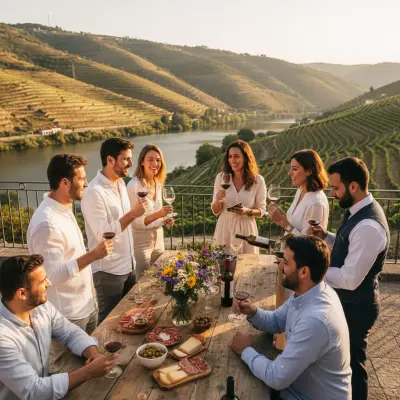
In colder months, roast kid goat dominates menus. And to accompany it, Douro red wine, not Port, but the DOC Douro reds that over the past two decades have gained international reputation. Estates like Quinta do Crasto, Quinta do Vallado, and Quinta do Vale Meão produce reds that compete with any wine region in the world.
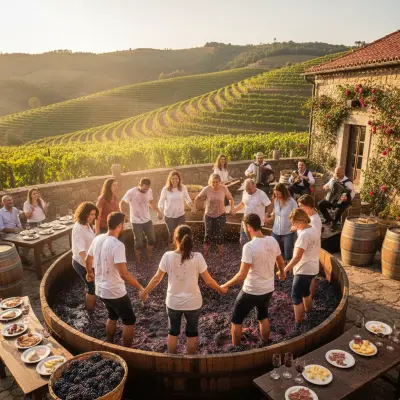
Most visitors arrive between June and September, when the valley heat is brutal, easily 40°C in July and August. The best months are May, when the vines are green and temperatures pleasant, and October, during the grape harvest. In September and October, many quintas open their doors for harvest programmes where you can join in picking grapes.
Spring brings a different Douro: almond blossoms in the Douro Superior (February-March), green fields, and far fewer people. Winter is cold and quiet, but has its own beauty, especially for those who want to taste wines without crowds.
The most common mistake is treating the Douro as a day trip from Porto. Arrive in the morning, lunch at a quinta, taste wine, head back. This is skimming the surface. The Douro rewards those who stay at least two nights, wake early, watch the mist lift off the river, walk the terraces, talk to the people who work the vines.
Another mistake: sticking to the most commercial estates near Pinhão. The Douro Superior, beyond São João da Pesqueira, is where the landscape becomes more dramatic and prices more honest. And the Linha do Douro train remains the best way to arrive, the Porto-to-Pinhão journey, hugging the river, is one of the most beautiful rail routes in Europe.
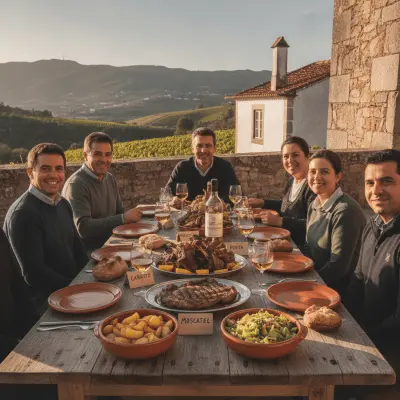
In Sabrosa nobody talks about the food, only the wine, and that is exactly the mistake. Between a proper posta à transmontana at an unpretentious bar and a chilled glass of moscatel in Favaios, this is the Sabrosa you eat, not just the one you photograph.
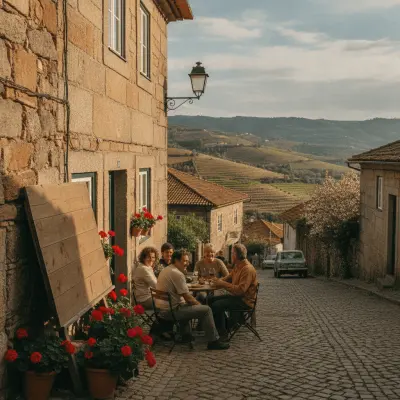
Sabrosa has no train station and no postcard monument, but it sits half an hour from everything that makes the Douro worth the trip. From Pinhão to Torre de Moncorvo, here's how to plan your days, and nights, from here.
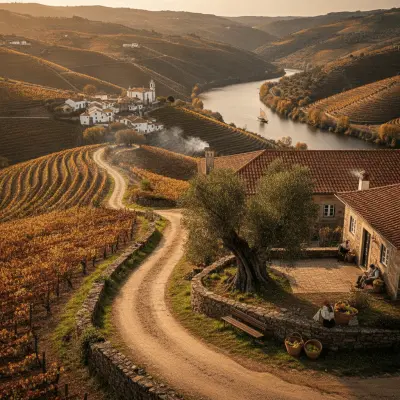
Sabrosa is not one village, it is three: a historic café-lined center, wine quintas scattered across the hills, and the river near Pinhão. Each one suits a different kind of traveler, and picking right changes the whole trip.
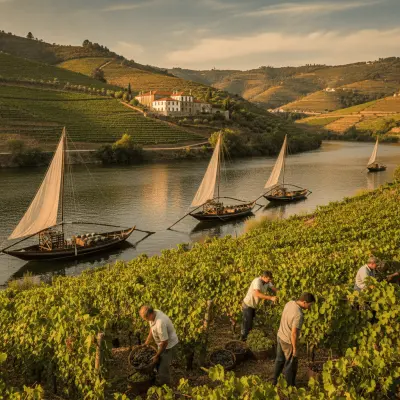
In the second half of August, there is a real chance of meeting grape-loaded tractors on the N222 and smelling fermenting must in Régua's wineries. Between cruises to Pinhão, veraison in the vineyards and three restaurants worth booking, this is the guide to the month when the Douro actually works.