Go Out
€€
MARIA chic Lamego
Lamego
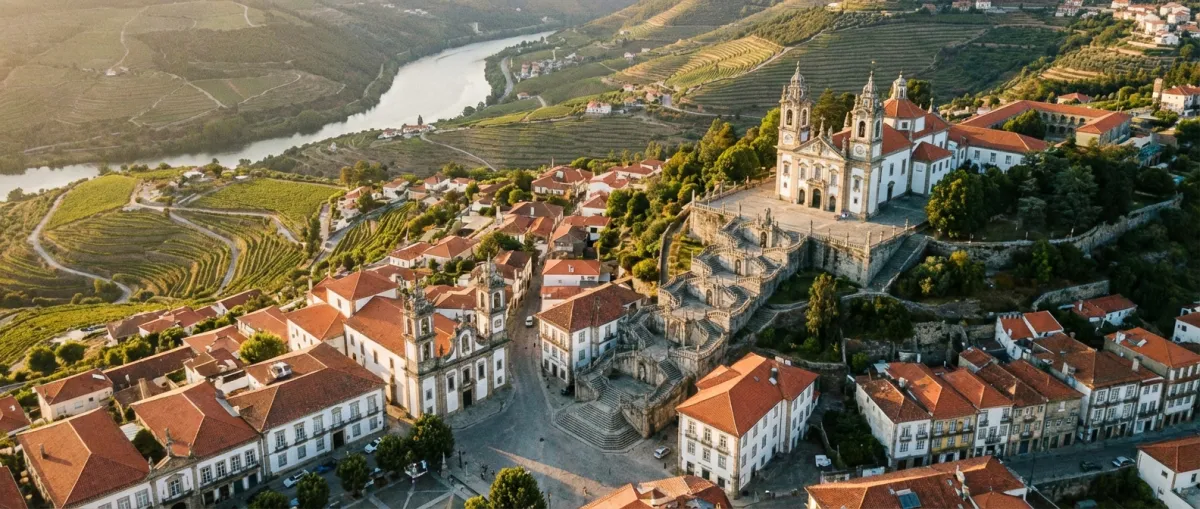
Lamego has 686 baroque steps, one of Portugal's finest sacred art collections, and the bôla, bread dough stuffed with smoked ham that you'll find on every corner. Two days and an empty stomach is all you need.
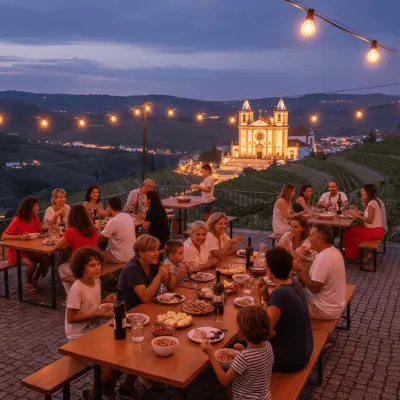
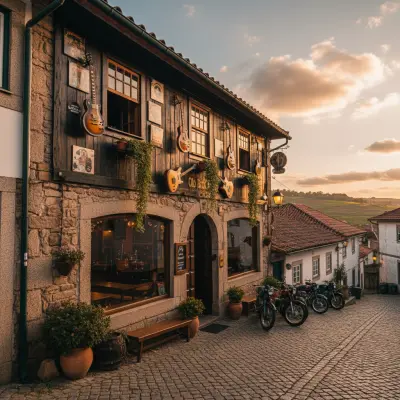
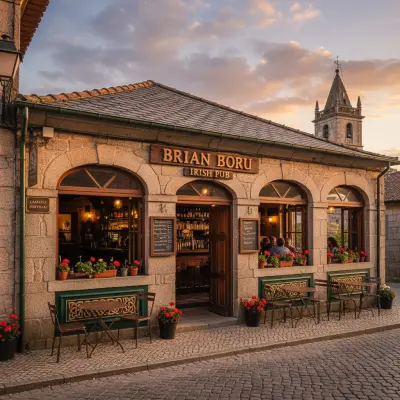
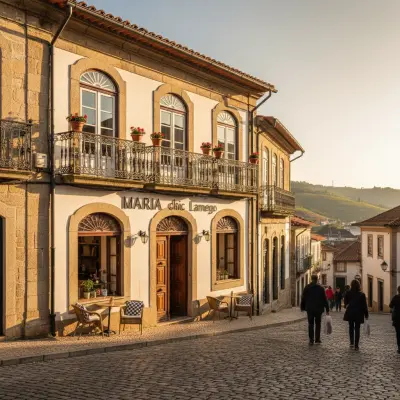
In Lamego, dinner is a strategic three-stop marathon: a glass of Douro white at Old Rock Caffe, proper petiscos at MARIA chic, and the closing Tawny at Brian Boru. An itinerary for those who know petiscos require method.
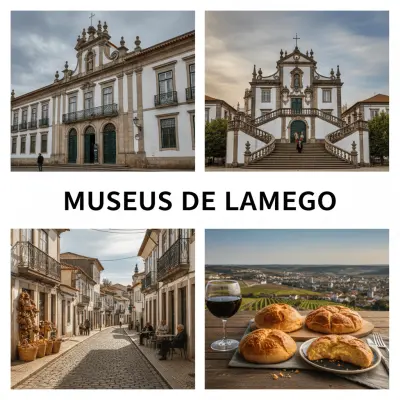
Lamego has more museums than seems reasonable for a town of twenty thousand, and not all of them deserve your time. One is among the best north of the Mondego. Others you can skip without missing anything. This guide tells you which is which.
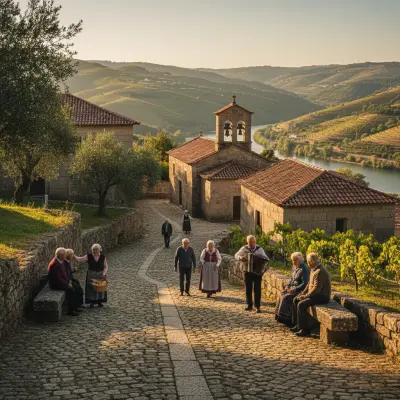
Discover the tectonic beauty of Lamego through an architectural lens, from the theatrical Baroque staircase of Nossa Senhora dos Remédios to the austere Romanesque cistern. A sophisticated guide to the Douro's most resilient city.
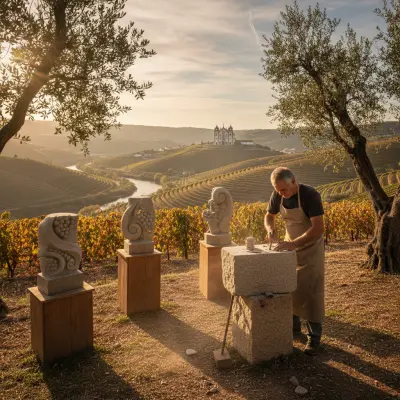
Discover Lamego through its Baroque granite and ancient traditions. From monumental stairways to the Great Pilgrimage, explore the Douro's spiritual capital and its unique gastronomic rituals.
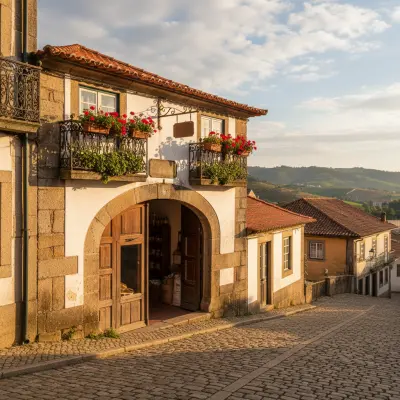
Lamego is a granite city on the south bank of the Douro, set halfway between the river and the sky. It doesn't compete with Porto or Lisbon for your attention, and that's exactly why it works. The pace here is different: you walk streets without crowds, eat without rushing, and climb baroque staircases without queuing.
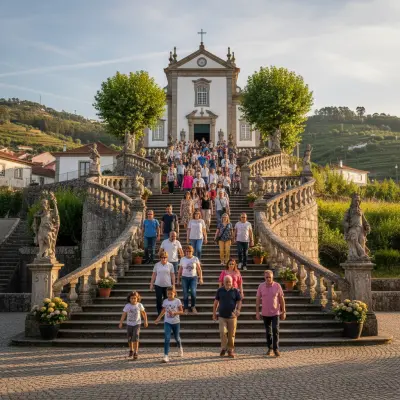
The 686 steps leading up to the Sanctuary of Nossa Senhora dos Remédios are the obvious starting point. The climb, flanked by azulejo panels, fountains, and obelisks, is more theatre than penance, the Pátio dos Reis, with its monumental fountain held up by atlantes perched on dolphins, is worth a mid-ascent pause. But Lamego doesn't end at the staircase. The Sé Cathedral, founded in the 12th century, layers Romanesque, Gothic and Baroque with the kind of ease only centuries can produce. The Museu de Lamego, housed in the former Bishop's Palace, holds one of the country's finest sacred art collections, the panels by Vasco Fernandes alone justify the visit. And the castle, further up still, offers an unobstructed view across the Douro's terraced vineyards.
If there's one sensory reason to come to Lamego, it's called bôla. The bôla de Lamego, a pillowy bread dough stuffed with cured pork or smoked ham, is one of the great snacks of northern Portugal. You'll find it in virtually every bakery in town, each defending its own version. Presunto de Lamego, slowly smoked and cured, is another product with its own designation and worth taking home. At restaurants, expect arroz de cabidela, roast kid, and sparkling wine from the region, because yes, Lamego produces sparkling wine, and good sparkling wine at that.
Two days is enough to see the essentials without hurrying. From late August to September 9, the Festas de Nossa Senhora dos Remédios, known as the Romaria de Portugal, take over the city: the Procissão do Triunfo on September 8, where the statue of the Virgin is pulled by teams of oxen, is a tradition unique in the Catholic world. Outside the festival, spring and early autumn are ideal, good light, mild temperatures, and the Douro vineyards shifting colour.