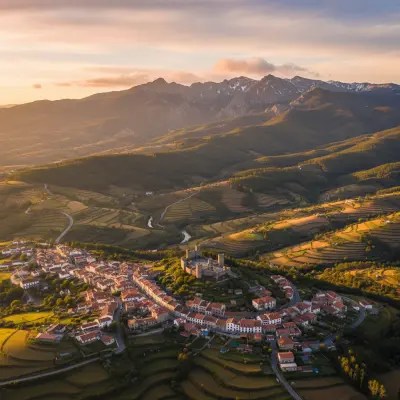
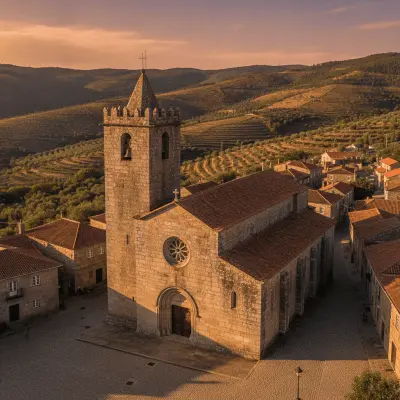
Serra da Estrela is the highest point in mainland Portugal, 1993 metres that completely upend what most visitors think they know about the country. Those who only know Portugal from the coast and the Algarve can't imagine a region where it snows in winter, where shepherds still make cheese by hand using thistle rennet and raw milk from bordaleira sheep, and where granite villages seem untouched by the 21st century, sometimes for the better.
What defines Serra da Estrela
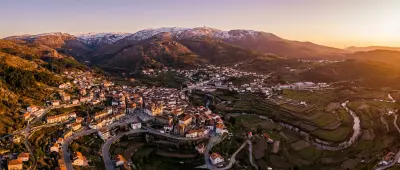
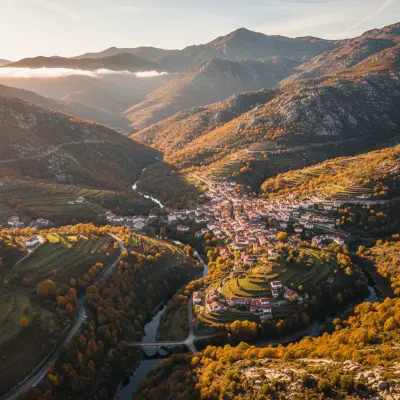
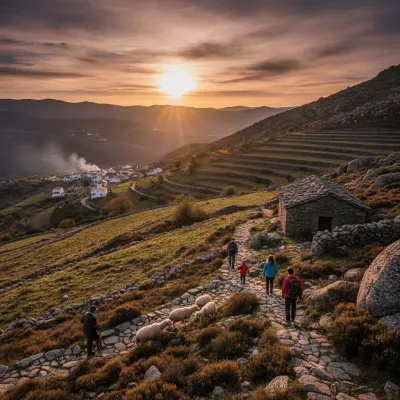
This isn't just another mountain range. It's the only region in Portugal with a ski resort (however modest), the only one producing the country's most famous DOP cheese, and one of the few where the native breed dog, the Serra da Estrela mastiff, still works guarding flocks. The landscape shifts dramatically with altitude: vineyards and orchards in the Zêzere valley, oak and chestnut forests on the middle slopes, and windswept rocky plateau at the top, with glacial lakes like Lagoa Comprida and Lagoa Escura.
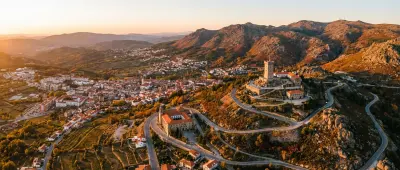
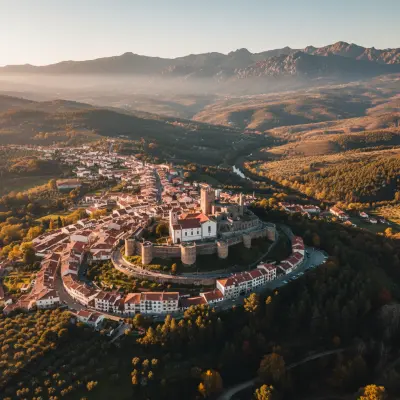
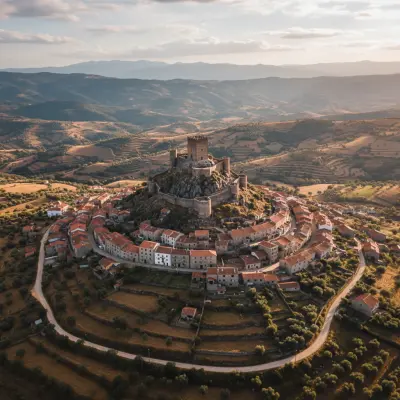
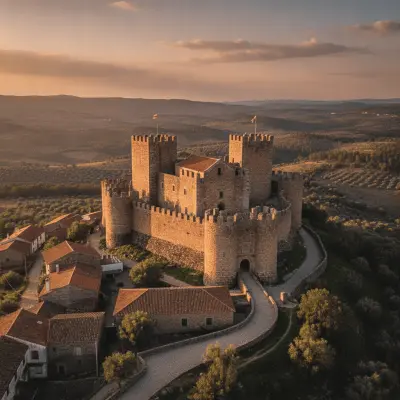
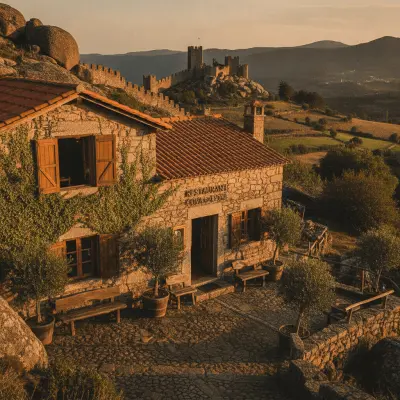
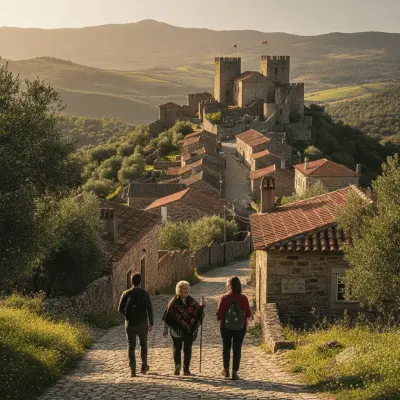
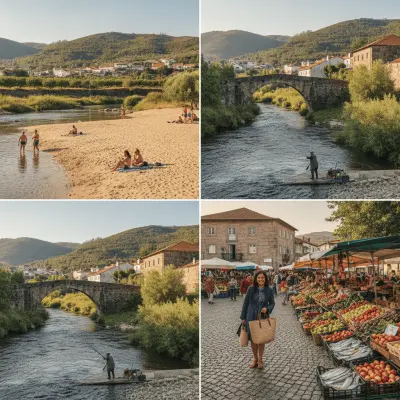
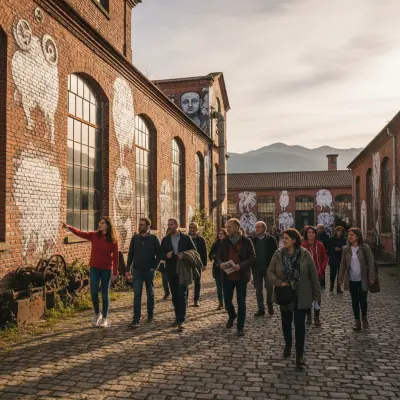
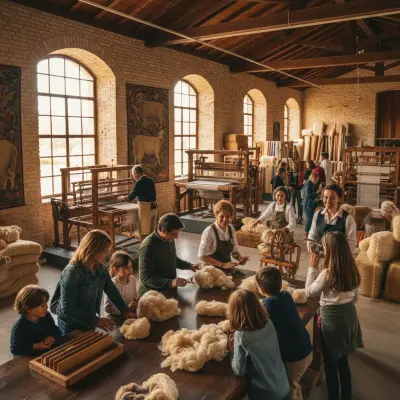
The region's towns serve as distinct gateways. Covilhã, the old capital of Portuguese wool, is the largest and most urban, with a university and a youthful energy that contrasts sharply with the serra above. Seia has the Bread Museum and the Toy Museum, and is the classic starting point for those driving up to Torre from the west. Manteigas, tucked into the Zêzere glacial valley, is probably the prettiest town in the range, and the starting point for serious hikes like the glacial valley trail. Gouveia is quieter, with a compact historic centre and good cheese in the local shops. Belmonte has its remarkable Jewish history, one of the few crypto-Jewish communities that survived centuries in secret. And Linhares da Beira, a historic village with a medieval castle, is one of the best paragliding spots in Portugal.
What to eat
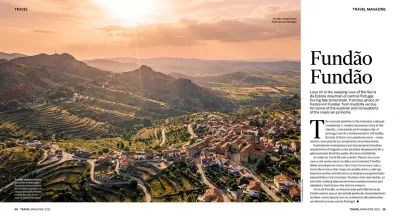
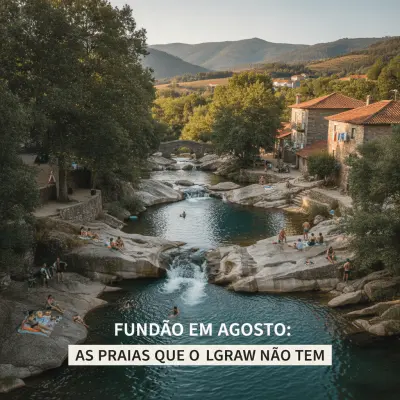
Serra da Estrela DOP cheese is non-negotiable, the real thing, cured, with a creamy interior you eat with a spoon. Buy it directly from producers in Manteigas or Gouveia, not at a motorway service station. Beyond the cheese: roast kid from wood-fired ovens, arroz de carqueja (rice with gorse herb), migas with spare ribs, and Zêzere river trout when you can find it fresh. In Fundão, cherries are an institution, there's a festival in June and the fruit is exceptional. In winter, the region's cured meats and chestnut soup do the warming.
When to visit
Most Portuguese think of the serra at two times only: snow season (December to February, though it doesn't always come) and summer (July-August, to escape the heat). The best months are May-June and September-October. In spring, the trails are green and in bloom, temperatures are perfect for hiking, and there are no crowds. In autumn, the chestnut trees turn colour and the new cheese season begins. Winter is worth it for the experience, but the road to Torre closes frequently and conditions are unpredictable.
What tourists get wrong
The most common mistake is driving to Torre, taking a photo next to the telecommunications tower, buying an industrial cheese at the souvenir shop, and driving back down. The serra isn't at the summit, it's in the valleys, on the trails, in the villages. Another mistake: coming for just a day trip. Serra da Estrela asks for at least two nights. You need time to hike the glacial valley, to sit in a tasca in Manteigas, to visit Linhares in the late afternoon when the light hits the castle walls. Rush it and you miss everything that matters.