Visit
€
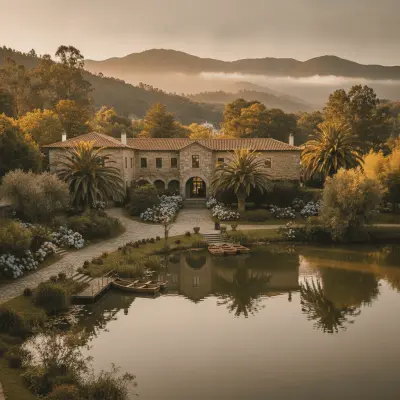
Jardim do Lago
Covilhã
Covilhã is the Portuguese city where twenty euros a day still buys you a real day, if you know where to go. An honest guide: eighty-cent espressos, set-menu lunches under ten euros, and the funicular trick most tourists miss.
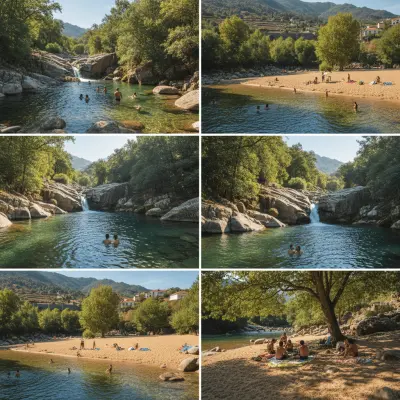
Covilhã has no beach, sits at 600 metres of altitude, and that is exactly why you should come here in August. An honest guide to the Zêzere river pools, the cafés that open at seven, and the art of escaping the coastal crowds.
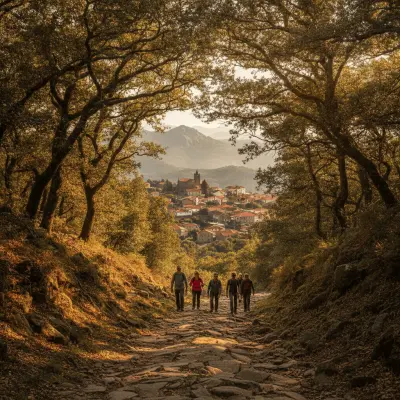
Five Serra da Estrela trails ranked by real difficulty, with strategic stops at cafés that serve breakfast properly and advice on when absolutely not to come (August, always).
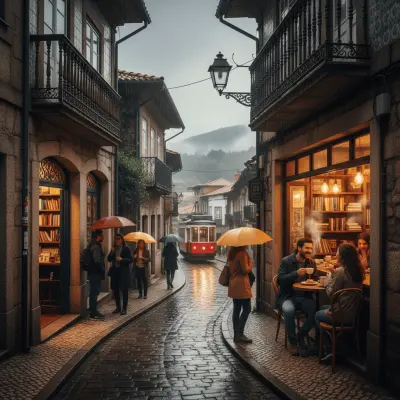
Covilhã was Portugal's Manchester for a century, which means huge stone buildings, wool museums and counter-cafés that laugh at the weather. A rainy day here isn't a backup plan: it's probably the best day to understand the city.
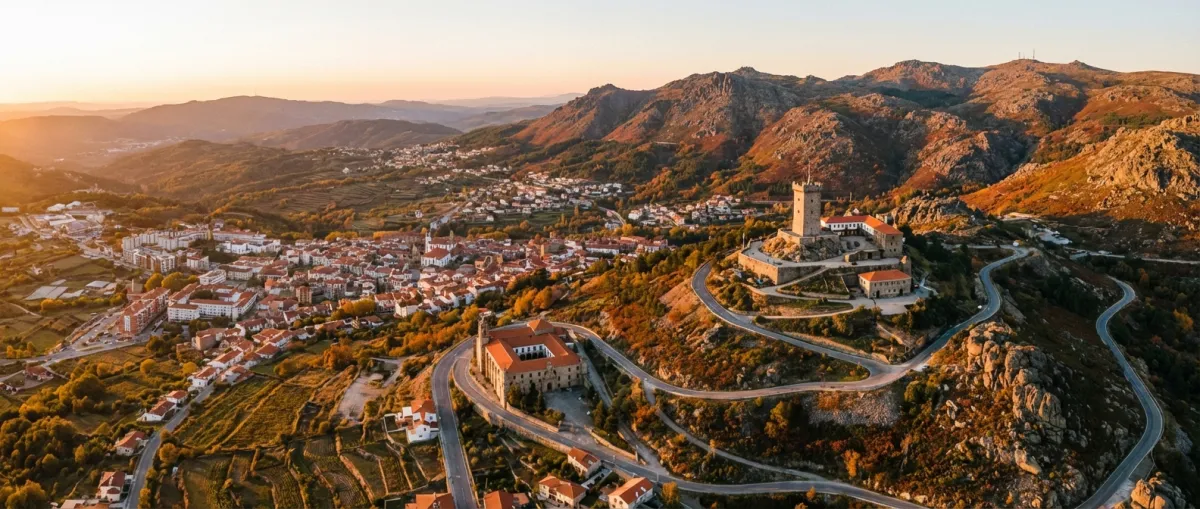
Covilhã is not a conventionally pretty city. It's steep, streets that climb and drop without mercy, and the concrete of some unfortunate decades sits alongside facades that have seen better days. But it's precisely this friction between industrial decline and reinvention that makes the place worth your time.
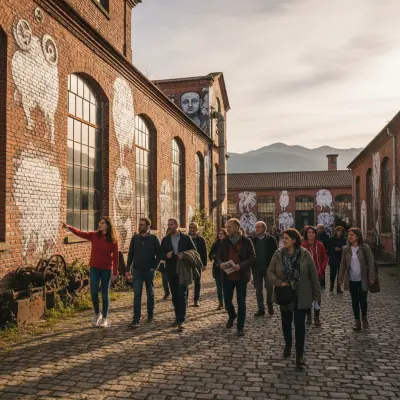
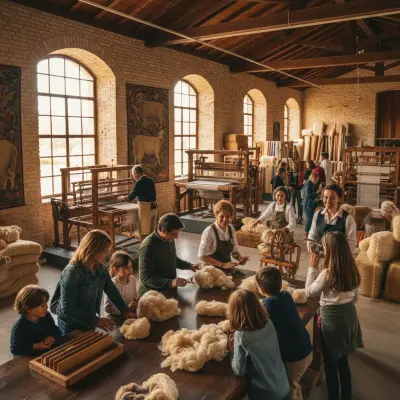
For centuries, Covilhã was the "Portuguese Manchester," its wool factories lining the Carpinteira and Degoldra streams. The Royal Cloth Factory, built by order of King José I in 1764 under the Marquis of Pombal's industrial push, powered the city. When the textile industry collapsed in the 1970s, the skeleton remained. The University of Beira Interior moved into the old factory buildings, and today the Museu de Lanifícios (Wool Museum), housed in the original dye house, displays the recovered dyeing vats as national heritage. It's worth a visit just to understand how much wool shaped this place.
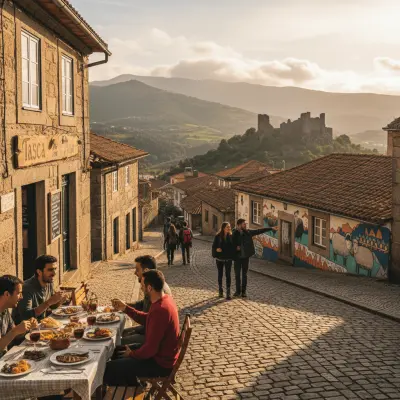
The other layer arrived in 2011, when the WOOL festival began inviting international artists to paint the city's walls. This isn't decorative street art: each mural engages with local history, shepherds, mountains, looms. A walk through the steepest streets of the centre reveals dozens of works that turned blank gable walls into open-air galleries.
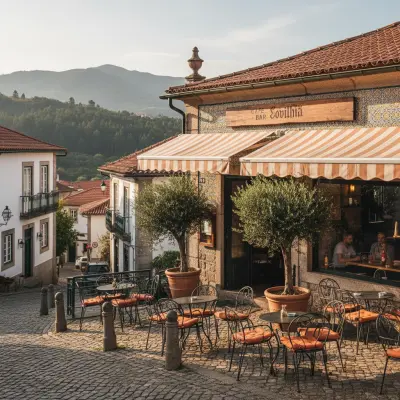
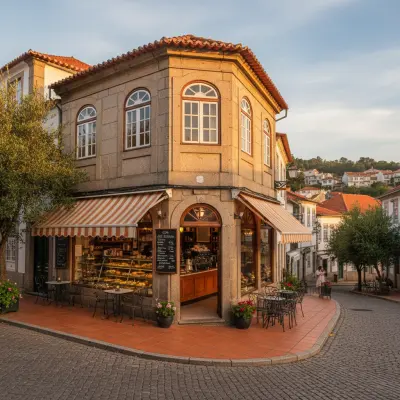
Covilhã is the gateway to Serra da Estrela, but it deserves at least one night on its own terms. Start your morning at one of the classic cafés in the centre, Café Primor or Café Saudade, before heading up the mountain. For food, the buttery Serra da Estrela cheese with regional bread is non-negotiable, and local restaurants serve roasted kid goat and wild boar in generous portions. Varanda da Estrela, overlooking the glacial valley, is a reliable choice for mountain cooking.
The best time to visit depends on what you're after: snow from December to March (Torre, mainland Portugal's highest point, is a 30-minute drive), or hiking and schist village trails in spring and autumn when the heat relents and the serra is green. Summer brings the WOOL festival and a university energy that the city loses in August.
Many people pass through Covilhã on their way to the snow or the mountain villages. Treating it as mere logistics is a mistake. The combination of industrial heritage, seriously curated street art, and the young presence of UBI gives it a personality that other interior cities lack. It's not polished, but it's real, and in Portugal's interior, that counts for a lot.