Visit
€
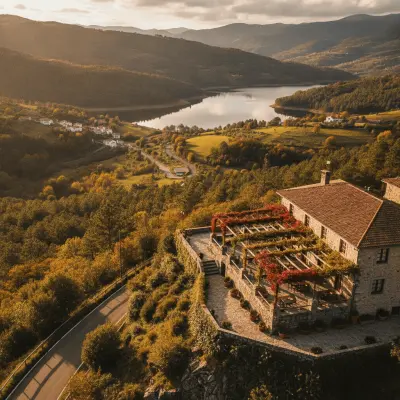
Miradouro da Corujeira
Montalegre

Trás-os-Montes is where Portugal keeps its real winters, the country's finest smoked meats, and villages where the Mirandese language is still spoken in the streets. A region that demands time and rewards those who aren't in a rush.
Trás-os-Montes is the Portugal that the rest of the country forgot for decades. Beyond the Marão and Alvão mountain ranges, the transmontane plateau opens up into a landscape of schist, granite, and oak trees that feels like it belongs to another era, not because it's quaint, but because modernization arrived late and emigration took half the population. What remains is genuine out of necessity, not marketing.
Anyone who knows Portugal only from the coast isn't prepared for transmontane winters. In Bragança and Montalegre, temperatures regularly drop below zero between December and February, and snow covers the highlands frequently. Summers are the opposite: dry and scorching, with thermometers passing 35°C in Mirandela and the upper Douro valley. This brutal temperature range is what gives the region its character, and its products.
Transmontane cuisine is survival transformed into art. Smoked meats rule: alheiras from Mirandela (invented by persecuted Jews who needed to disguise the absence of pork), salpicão, chouriça de carne, and butelo com cascas. In Vinhais, the Feira do Fumeiro in February is a serious affair, not a themed fair for tourists, but the moment local producers sell the winter's work.
Posta mirandesa, cut thick and grilled over coals with coarse salt, comes from the mirandesa cattle breed raised on the plateaus around Miranda do Douro. The olive oil from Trás-os-Montes, especially the DOP-certified variety, has an intensity that surprises anyone used to the milder oils from southern Portugal. And the honey from Montesinho Natural Park, dark and dense, is unlike anything else produced in the country.
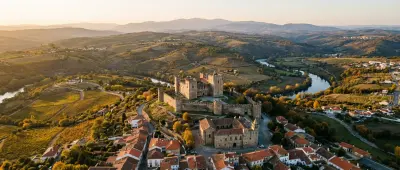
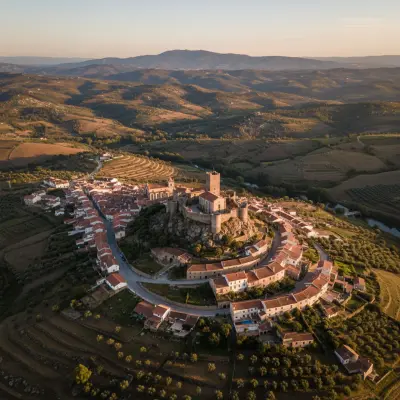
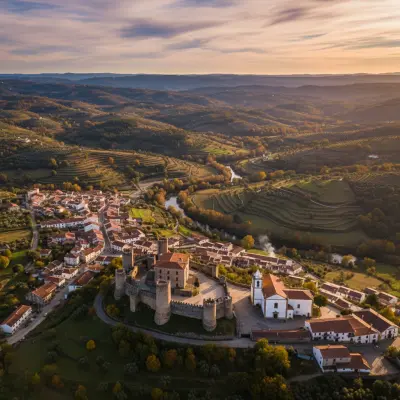
Bragança has the best-preserved castle and medieval citadel in northeastern Portugal, including the Domus Municipalis, a Romanesque civic building unique in the Iberian Peninsula. But the real interest lies in the surroundings: Montesinho Natural Park, between Bragança and Vinhais, is one of the last refuges of the Iberian wolf in Portugal, with villages where more people are over 80 than under 30.
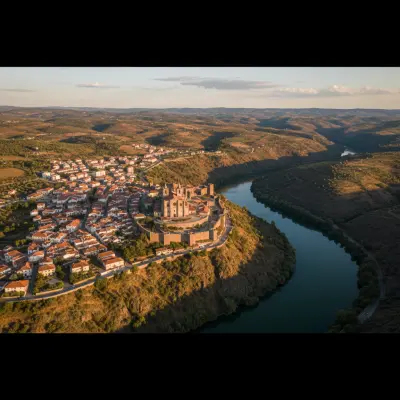
Miranda do Douro deserves a visit for two reasons: the Pauliteiros, a male warrior stick dance that has survived since ancient times and is completely unlike any Minho folklore; and the Mirandese language, Portugal's second official language, still spoken in plateau villages. The cruises along the international Douro, between 200-metre-high cliffs, are among the most dramatic landscape experiences in the country.
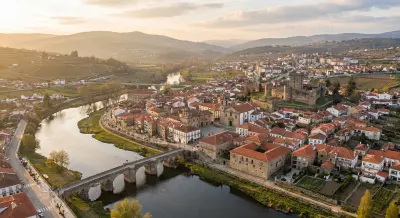
Chaves is known for its thermal waters, the baths were already used by the Romans, and the pastel de Chaves, a puff pastry filled with meat that's an obligatory snack. Trajan's Roman bridge over the Tâmega river has remained the centre of town for nearly two thousand years.
Spring (April–May) and autumn (September–October) are ideal. In spring, the almond trees in bloom across the upper Douro valley and the plateaus around Mogadouro create landscapes worth the trip alone. In autumn, the grape harvest and chestnut picking bring villages to life. Winter is for those who genuinely enjoy cold weather and want to see the region at its most authentic, with fresh smoked meats and roaring fireplaces.
The most common mistake is treating Trás-os-Montes as a day stop on the way to Spain. This region needs time. Distances between towns are longer than they look on a map, roads are winding, and the best parts, a conversation in a village café, smoked meats bought directly from the producer, a hike through Montesinho, can't be found in a hurry.
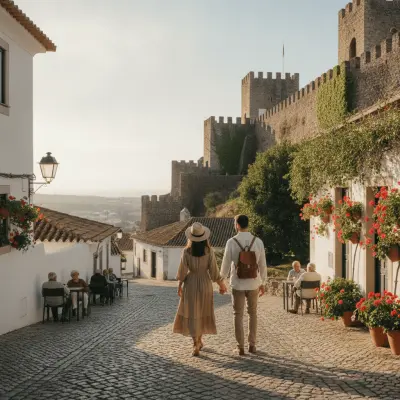
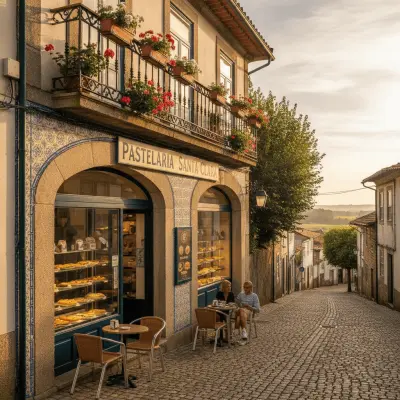
While the Algarve stays packed through September, Bragança quietly has its best month: cool nights in Montesinho, posta mirandesa without a queue, and a whole town left to whoever showed up early.
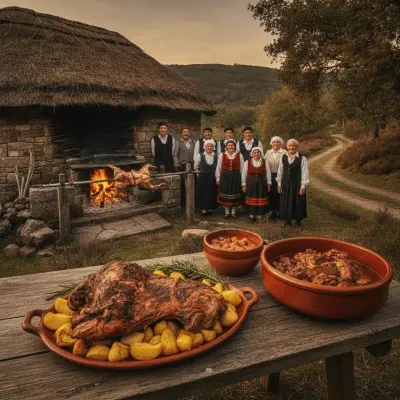
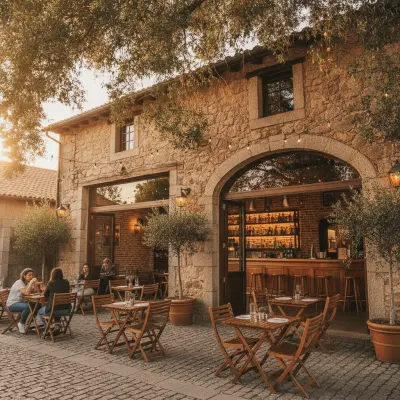
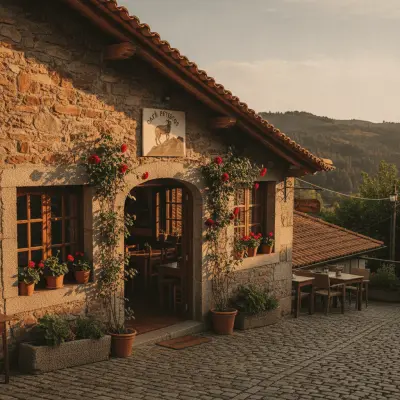
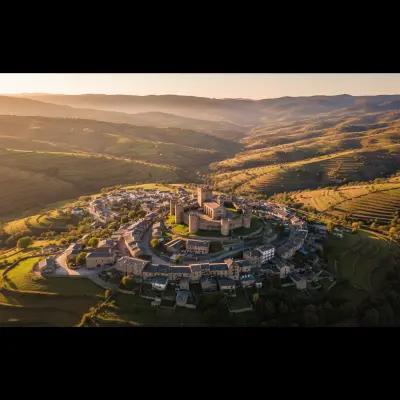
In Montalegre, roast kid goat only really shows up on weekends, and knowing that is half the meal already won. From the wood oven at Cafe Petiscos Rampa to the communal villages of Barroso, this is the meat trail worth planning ahead for.
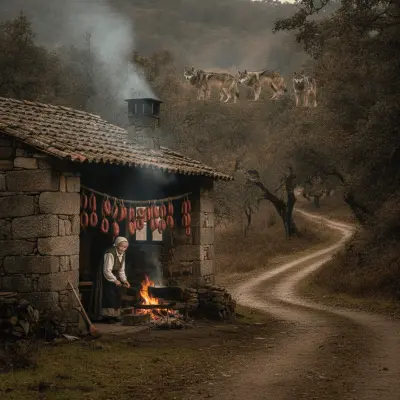
In a town where you smell the smokehouse before you spot the castle, Vinhais brings together two things rarely found on the same itinerary: cured smoked sausage and semi-wild Iberian wolves. This is Trás-os-Montes at its rawest.
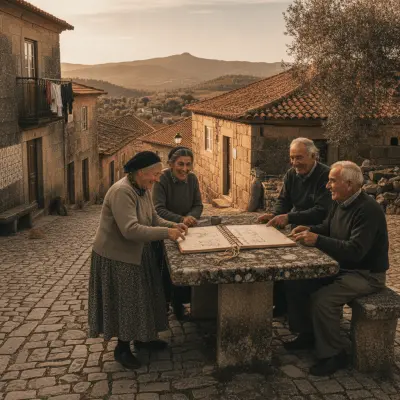
In Mogadouro, the year revolves around two dates: the Easter Monday of the clay cantarinhas and the August nights that keep Via Dupla Bar packed till dawn. Between them, a quiet plateau worth knowing without any festival at all.