Mogadouro: Where Locals Actually Eat
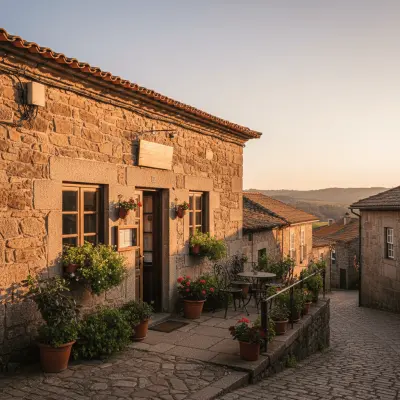
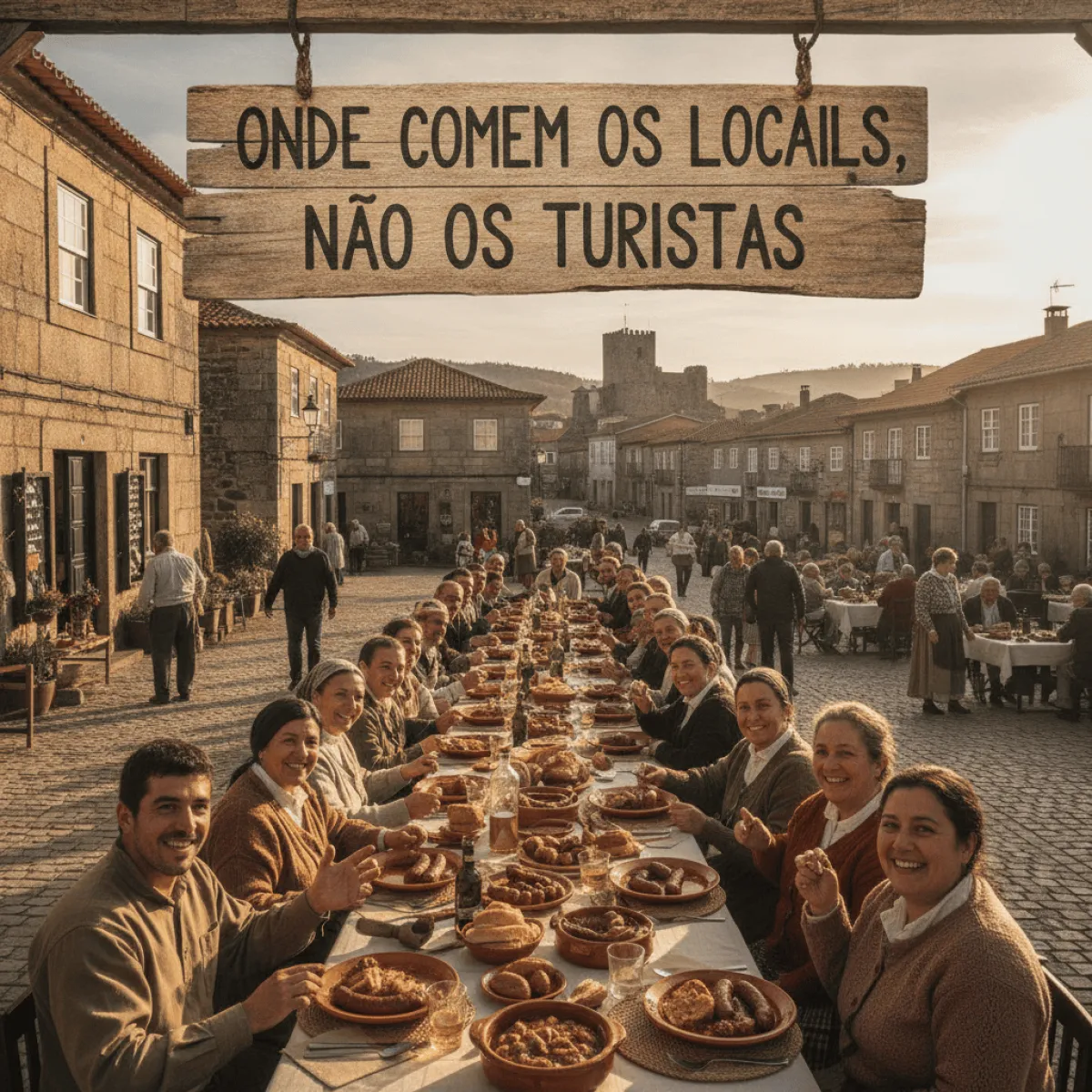
In Mogadouro there is no tasting menu, no starred chef, just a bar that doubles as a communal living room and a café that hasn't changed its decor since the eighties. The real recommendation is never on Google, it's in the conversation at the counter of Bacus Bar.
Mogadouro does not pretend to be anything it is not. There are no terraces with four-language menus facing some monument, because the monument here is the plain itself: kilometres of flat land stretching to the Spanish border, wind that never quite stops, and a plateau that produces more olive oil and almonds than Instagram photos. Anyone arriving expecting neatly packaged "typical Trás-os-Montes food" for tourists will leave disappointed. Anyone arriving genuinely hungry and willing to ask a local where they ate yesterday will leave full and happy.
The bar that does a bit of everything
Start at Bacus Bar, which in Mogadouro works more as a meeting point than as a restaurant in the strict sense. It is where the day gets sorted out: a quick coffee at eight in the morning, a beer late afternoon, an informal meal when cooking feels like too much effort. Do not expect a ceremonious posta mirandesa on a white tablecloth here. This is where you eat well without any ceremony at all, and that is exactly what makes Bacus Bar a good gauge of what locals actually eat day to day: simple snacks, regional produce, nothing overdressed on the plate.
If you want a more structured meal, ask the staff at Bacus where their own family eats on a Sunday. In small towns like Mogadouro, the best recommendation is never on Google, it is in the conversation at the bar.
Café Montanha and Via Dupla: the two poles of Mogadouro nightlife
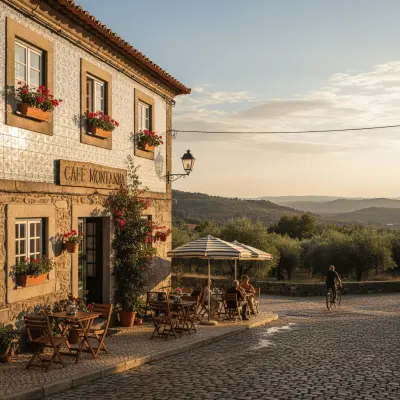
In the evening, or late afternoon, Mogadouro splits between two very different atmospheres. Café Montanha is the classic provincial café: formica tables, the day's newspaper hanging on a rack, retirees playing cards, a clientele that has been coming for thirty years and sees no reason to change. It is the right place for a galão and a slice of homemade cake mid-afternoon, no rush at all, watching life go by on the main street.
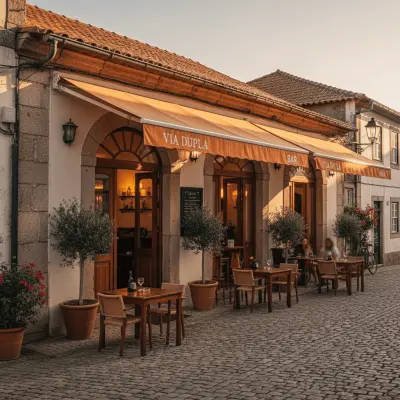
The Via Dupla Bar, on the other hand, pulls a younger crowd, more noise, a craft beer or a simple cocktail on weekends. It is not unusual to see different generations of the same family cross paths there on a Friday night, which says more about Mogadouro's size than any guidebook could: there simply are not that many places to choose from, so everyone ends up in the same two or three bars sooner or later.
What to actually order
- A short coffee and a slice of homemade cake at Café Montanha, mid-afternoon, when the house is fuller of conversation than of outsiders.
- A beer and snacks at Bacus Bar before dinner, to see who comes and goes, which is usually half of Mogadouro.
- A beer on the weekend at Via Dupla, if you want a livelier atmosphere without leaving town.
Eating is only half the equation
In Mogadouro, food cannot be separated from the landscape that produces it. The cured meats and sausages that show up in local snacks come from a territory of extensive grazing, the same land that supports the Miranda donkeys you can visit at AEPGA's sanctuary in Atenor, less than half an hour's drive from town. It makes a good morning plan before a late lunch: see the donkeys, understand why this breed nearly disappeared and what is being done to bring it back, then head back to Mogadouro genuinely hungry.
For those who want to spend their energy differently, kayaking on the Lagos do Sabor is the most obvious reason many people visit Mogadouro for the first time. The Sabor reservoirs have created an almost Mediterranean-looking landscape in the middle of the Trás-os-Montes plateau, and after two or three hours of paddling, any plate of snacks at Bacus Bar tastes better than it should.
Where to sleep after eating well
Mogadouro is not a place to rush through, it is a place to stay at least one night, and there are two options that solve that well while looking nothing alike. A Casa do Gi has the feel of a family house carefully restored, good for those traveling in a group or wanting their own kitchen after a day on the water. Casa das Águas Férreas leans more into isolation and landscape, ideal for those who really came to switch off and want to hear nothing but the wind on the plateau.
Neither is more than ten minutes from the centre, which in Mogadouro means ten minutes from Bacus Bar, Café Montanha and Via Dupla. The town is small enough to walk everywhere after dinner.
When to come and what to pack
The Miranda plateau has dry, harsh winters and dry summer heat that only those who have experienced it can properly explain. If the plan is to catch the sunset at the region's viewpoints, June tends to be the right time, as detailed in the guide Mogadouro at Sunset: June Viewpoints on the Plateau. Nights are still cool, days are already long, and the low light over the plain turns any end-of-day meal into a kind of reward after hours outdoors.
For those wanting to extend the trip to other parts of Trás-os-Montes, it is worth looking at Montalegre, further north: the guide Montalegre Beyond Barroso covers mountain cooking that has more in common with Mogadouro than the distance on the map suggests, and the Montalegre in Winter photography itinerary is a useful reference for those who prefer to plan their trip in the colder months, when the Trás-os-Montes plateau takes on a completely different light.
The essentials, without making anything up
There is no tasting menu here, no starred chef. There is a bar that doubles as a communal living room, a café that has not changed its decor since the eighties, and a younger bar facing the main street. There are two places to sleep that share nothing in common except the goodwill of the people running them. And around all of it: Miranda donkeys, artificial lakes good for paddling, and a plateau that turns golden in the late afternoon come June.
Always check hours and availability locally before travelling, especially outside peak season, when many small businesses adjust their schedule to actual demand rather than keeping fixed hours year-round. But if there is one rule that always works in Mogadouro: ask the café owner where they have lunch, and follow that answer before any guidebook recommendation, including this one.