Bacus Bar
A village snack-bar on Rua das Eiras, known for its francesinhas and for having more regulars than translated menus. Go for lunch, order an imperial, and bring some cash just in case the card terminal is down.
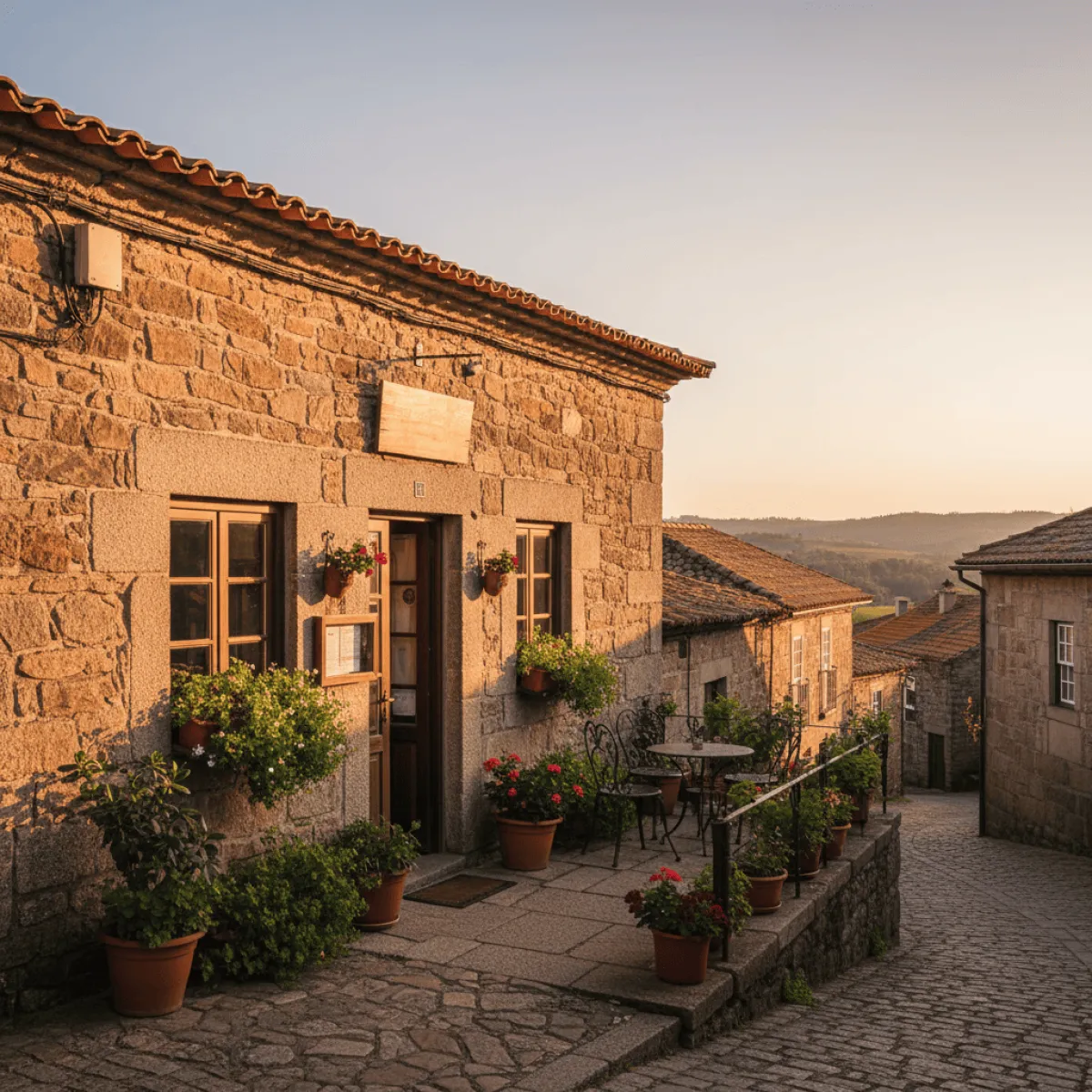
There are places in Mogadouro where you walk in for a coffee and walk out two hours later with the conversation still unfinished. Bacus Bar, on Rua das Eiras, is one of them. No laminated menus, no four languages on the wall. Regulars who get nodded at by name, the metallic clink of cups on saucers, and francesinhas that justify the detour to this corner of Trás-os-Montes.
What it actually is
It is a village snack-bar. One of those places where the television is on with the sound down, someone is always leaning on the counter reading the sports paper, and the smell of toasted bread and francesinha sauce hits you before you push the door open. Mogadouro is a high plateau town, cold that gets into your bones from October to April, streets empty by nine at night. This kind of place is the social infrastructure that still holds the town together.
Bacus Bar is known for its francesinhas. That is the practical headline. It is not a Porto institution and does not pretend to be, but people still come specifically for that dish. The rest of the menu follows honest snack-bar logic: sandwiches, pregos, toasties, a daily special when the cook feels like it, cold draught beer, coffee at about a euro twenty. Pricing sits in the friendliest bracket (€), which in Mogadouro means you can eat and drink without doing mental arithmetic.
Where it is and how to get there
The address is Rua das Eiras, 5200-235 Mogadouro. You are in the centre of the village, a few minutes on foot from the main square and the parish church. Mogadouro is small, the kind of place you cross end to end in fifteen unhurried minutes, so the logistics are simple: if you are staying at A Casa do Gi or Casa das Águas Férreas, you walk over without breaking a sweat.
From further afield, Mogadouro sits in the northeast of Trás-os-Montes, about ninety minutes from Bragança and more than three hours from Porto via the A4 motorway and then the N216. Public transport is not a realistic option for visitors, so assume you need a car. Free parking is easy to find on the surrounding streets, which for anyone used to a city is almost moving.
Order this, skip that
Order the francesinha. That is why you came. Out here, far from Porto and the Porto orthodoxy about how the dish should be, every bar makes its own version, and the Bacus version has declared fans among people who work in the village at lunchtime. Drink an imperial (a small draught beer) with it, get the chips, do not overthink it. If you are in a group, get one prego or a ham and cheese toastie for the person who is not in the mood for sauce, fried egg and melted cheese all over a slab of bread.
Breakfast is honest and simple, as in any Trás-os-Montes snack-bar: galão (milky coffee in a tall glass), buttered toast, maybe a cheese sandwich if you are hungry. Do not show up looking for açaí bowls, sourdough or specialty coffee. That is not the register of the house, and the regulars would have reasons to look sideways at you.
Hours and practical notes
Opening hours are not reliably published, and the phone number is not available in public sources. The official online presence is the Bacus Bar Facebook page, which sometimes posts photos of the daily specials. If you are travelling specifically for lunch here, check directly through Facebook before you set off. In Mogadouro, plenty of places close one day a week and shift their hours by season.
Other useful notes:
- You do not need a reservation. If you arrive at peak lunch (12.30 to 13.30) you may wait briefly for a table, but the counter almost always has space.
- Bring some cash. Most interior snack-bars accept card, but it is not unusual for the terminal to be down or out of signal, and nobody wants to wash dishes.
- Dress code: whatever you like. Nobody is looking at your trainers or your beanie.
- Take your time. This is not a place to eat in twenty minutes and leave. Francesinhas take time, and the rhythm of the house does not speed up because you are in a hurry.
When to go, and what to do before or after
It works well as a lunch stop in the middle of a day exploring the area. If you are planning your trip with any care, pair Bacus with one of our local guides: the rock-cut wine presses trail is a morning walk that drops you back in the centre at lunchtime; in the late afternoon, there are sunset viewpoints worth the detour on the plateau. For the wider picture of what to do in town, read our Mogadouro guide, which covers everything from where to sleep to the calendar of village festivals.
If your trip lines up with late May or June, take a look at the Festa da Terra e dos Gaiteiros in Urrós, about twenty minutes by car, which brings together bagpipes, local producers and people from the surrounding villages in a format that has not yet been reformatted for Instagram.
After dark
Bacus is better suited to lunch, late afternoon and early evening. For a drink later, Mogadouro keeps its options short but real: Via Dupla Bar and Café Montanha are the two stops people roll between when they stay out. You walk from one to the other. No map app required.
Is it worth it?
If you are spending two or three days in Mogadouro, yes, with no hesitation. This is not a weekend gastronomy destination from Lisbon, but it is the kind of stop that makes a trip through the northeast feel real. Order the francesinha, drink an imperial, listen to what the people at the counter are saying about the weather, the football and the next market day. That is what being in Mogadouro is.
