Mogadouro in May: Portugal's Overlooked Interior at Its Best
While everyone packs for the Algarve, Mogadouro in May offers kayaking on the Sabor lakes, fire-grilled Mirandesa beef, and the radical quiet of the Trás-os-Montes plateau. At half the price and without the crowds.
Everyone's talking about the Algarve in May. Every travel blog serves up the same advice: go before the crowds, catch the sun, pay less. Fine. But while half of Portugal drives south toward the coast, there's an entire country sitting empty, and in May, it's at its absolute peak. Mogadouro is that country.
I won't pretend Mogadouro competes with beaches. It doesn't, and it doesn't try. What this Trás-os-Montes village offers in May is something else: perfect walking temperatures (15 to 25°C), fields blazing with wildflowers, and a quiet that no resort can sell you. If you want to genuinely switch off, not the Instagram version with a cocktail in hand, Mogadouro deserves your attention.
Why Mogadouro, Why May
Mogadouro sits on the Mirandese plateau in Bragança district, roughly 800 meters above sea level. January is bitterly cold. August is dry heat. But May is the sweet spot, the almond trees finished their show in February, and now it's green wheat fields and yellow gorse bushes dominating the landscape. Nights still call for a sweater, which to me is a plus.
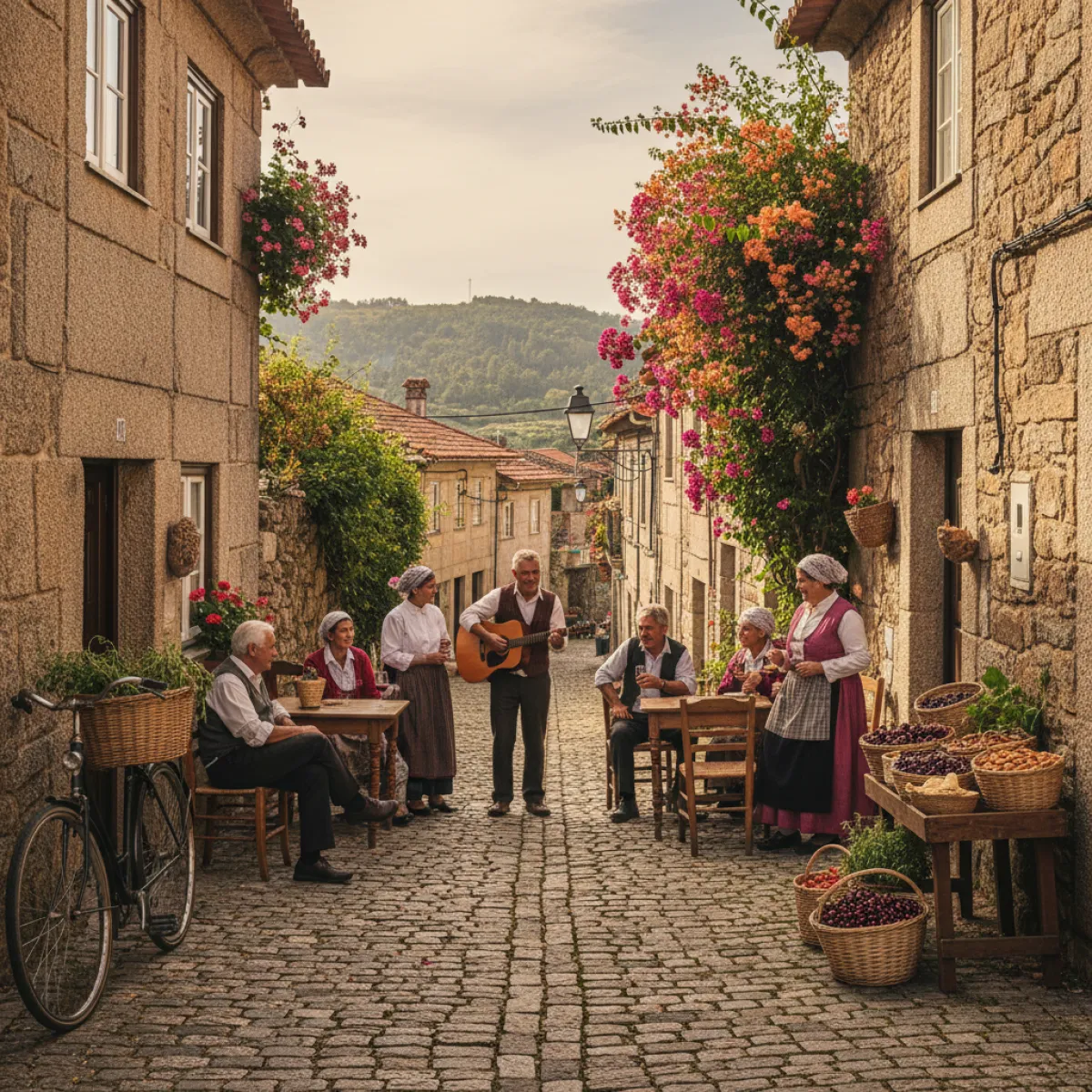
The town itself is small and unpretentious. A medieval castle (or what's left of it, essentially the keep tower), a handful of churches, quiet streets where old men sit in the sun after lunch. There are no blockbuster attractions, and that's precisely the point. Mogadouro is a place to slow down, eat well, and use as a base for exploring one of Europe's most undervalued regions.
Where to Stay: Two Options, Two Styles
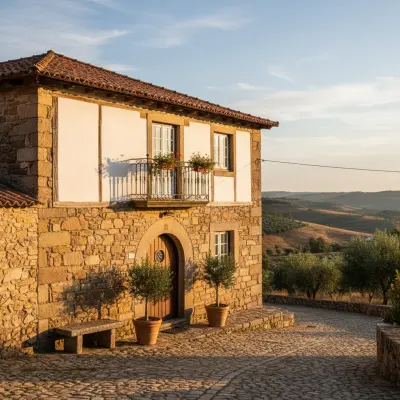
If you're spending a few days, and you should, because a weekend isn't enough, I recommend two places. A Casa do Gi is the kind of accommodation that works because someone actually thought about the guest experience, not just the decor for photos. A restored house with real attention to detail, ideal for couples or anyone who values privacy.
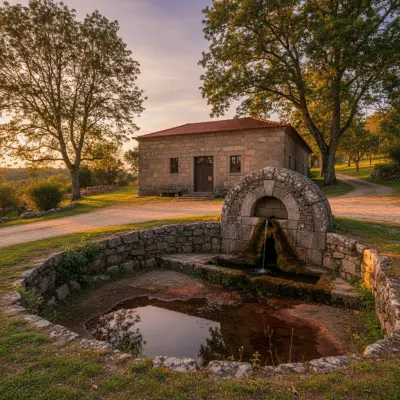
For something with more historical character, Casa das Águas Férreas has a name that tells a story, "águas férreas" means iron-rich waters, and the region has a thermal tradition few know about. The house breathes old Trás-os-Montes, but with the comfort you'd expect in 2026. Either one makes an excellent base.
The Experience That Justifies the Trip
I'll be direct: the best thing you can do from Mogadouro is kayaking on the Sabor lakes. The Sabor River, partially dammed (a story that still stings many environmentalists), created lakes of a strange beauty, still waters wedged between rocky escarpments, with nobody around. In May, the water is still cool, but nothing a good wetsuit can't handle. What strikes you is the silence. Not the poetic silence of tourism brochures, the literal silence of being on a lake where, looking in any direction, you can't see a single human structure.
The experience takes a few hours and requires no prior kayaking skill. Perfect for people who want something active without being extreme. Check locally for schedules and prices, as they may vary seasonally.
What to Eat (And Where)
Trás-os-Montes doesn't mess around with food. The cuisine here is mountain food, built to survive hard winters: smoked meats (alheira, butelo, salpicão), posta mirandesa, roast kid goat, and a bread tradition going back centuries. In May, you might still find some winter dishes on menus, because here the gastronomic seasons shift slowly.
Posta mirandesa, beef from the Mirandesa breed, grilled over coals and served with smashed potatoes, is mandatory. Mirandesa is one of the Iberian Peninsula's finest cattle breeds, with PDO status, and you can taste the difference from the first bite. Order it rare. If they serve it well-done, change restaurants.
For smoked meats, look for local sausages: alheira (made here with game meat and bread, not the industrial supermarket version) and butelo com casulas, a winter dish that occasionally surfaces in May if the weather turns cold. The region's sheep's milk cheeses deserve attention too. Buy some to take home.
I won't invent restaurant names I don't know well enough. Ask locally, in Mogadouro, anyone on the street will give you a better recommendation than TripAdvisor. It's that kind of place.
What to Do Around: Deep Trás-os-Montes
Mogadouro works as a base for a huge, almost tourist-free region. If you have a car (and you need one, there's no way around it), you can fill several days with exploration.
To the north, Montesinho Natural Park is one of Western Europe's last great wild areas. If the subject interests you, our Montesinho guide explains why, it was written with winter in mind, but much of the information applies year-round. Wolves roam there. So do deer. And the communal villages, where land is still worked collectively, feel like a clock stopped in the best possible way.
Montalegre, further west, is another destination worth the detour. The castle, the ancient castro, the mountain cooking, it's all covered in our Montalegre guide. If you make the trip in May, you'll catch the Barroso region in green, which is a different thing entirely from the brown Barroso of autumn.
And if you're into thermal bathing, Chaves is about 90 minutes by car and has some of the oldest thermal waters on the Iberian Peninsula, used since the Romans, literally. Our guide to the Chaves thermal springs gives you the historical and practical context.
Getting There
Let's be realistic: Mogadouro is not easy to reach. It's about 3.5 hours from Porto (via the A4 and then smaller roads), and nearly 5 hours from Lisbon. There's no train, no frequent bus service. You need a car. Rent one in Porto or Bragança.
The road between Bragança and Mogadouro via the N218 is beautiful but winding. If you're driving in May, you'll have daylight until 9pm, which helps. Fuel is more expensive in this area than on the coast, fill up before leaving Porto. Petrol stations are not on every corner out on the plateau.
What It Costs
One of the great advantages of Trás-os-Montes is the price. A night's accommodation runs roughly €50 to €80 for a couple (confirm directly with the properties). A full meal, starter, main, dessert, and house wine, comes in between €15 and €25 per person. The regional wine (Trás-os-Montes DOC) is excellent and cheap, especially the reds. If you're coming from the Algarve, where a tourist cataplana costs €30, you'll be pleasantly shocked.
Who It's For (And Who It's Not)
Mogadouro in May is for people who want Portugal without the filter. For those who enjoy driving empty roads, eating in places where the menu changes based on what was at the market, and sleeping without hearing rolling suitcases in the hotel corridor.
It's not for people who need a beach. Not for those who want nightlife. Not for anyone who demands their waiter speak fluent English (though many speak enough, and goodwill covers the rest).
But if you're reading this and thinking "maybe instead of the Algarve...", trust that instinct. May in Portugal's northern interior is a secret that won't last forever. And Mogadouro, with its lakes, its beef, and that quiet you can't fake, is one of the best places to discover it.