The Norte is where Portugal began, literally. The country was born from the County of Portugal, between the Minho and Douro rivers. Guimarães wears that founding title proudly in its historic centre, and Braga was already an ecclesiastical seat of power when Lisbon was still under Moorish rule. But the Norte doesn't live in the past. It's the Portuguese region that reinvents itself most, with Porto leading that charge decade after decade without losing its accent.
Porto isn't the whole Norte, but it's the way in
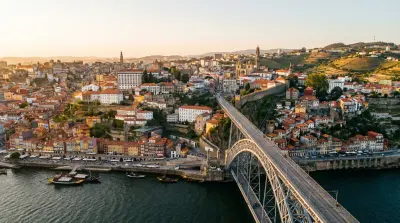
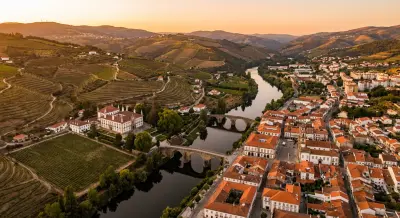
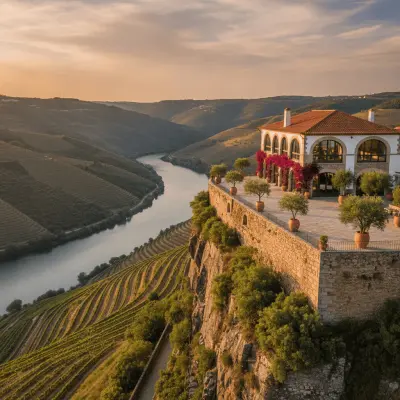
Most visitors land in Porto and assume they've seen the Norte. They haven't. Porto is an Atlantic city of granite and fog, with a food scene that barely existed ten years ago. But drive an hour in any direction and the landscape shifts dramatically. East takes you to the Douro wine terraces. North leads to the green, rain-soaked Minho. Inland, Trás-os-Montes and its deep quiet.
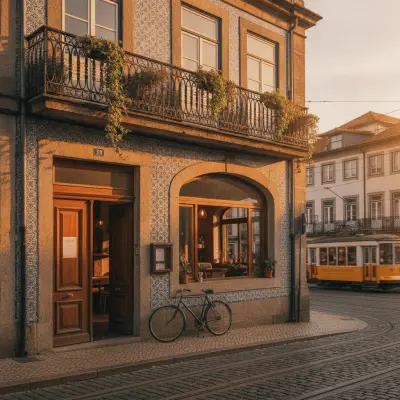
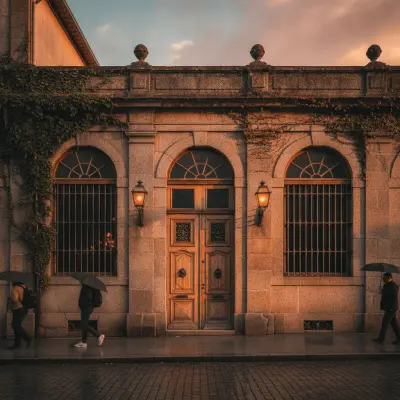
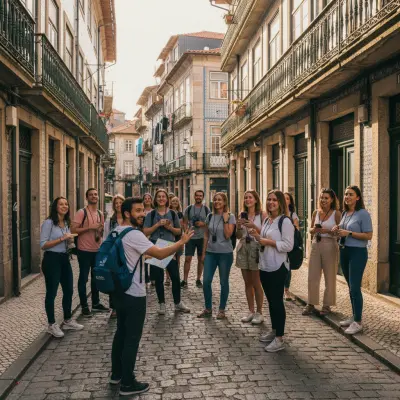
That said, Porto deserves time. Not just the Ribeira and Livraria Lello, but the renovated Mercado do Bolhão, a francesinha at Lado B or Capa Negra II, and an aimless afternoon between Cedofeita and Rua Miguel Bombarda. The city works best on foot and without a fixed plan.
Braga, Guimarães, and the triangle worth the trip
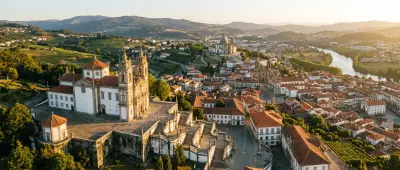
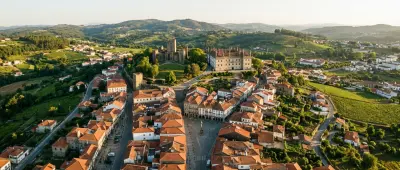
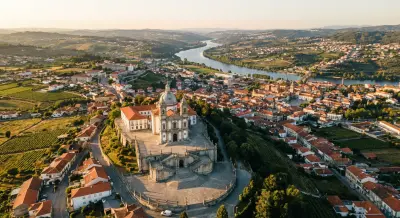
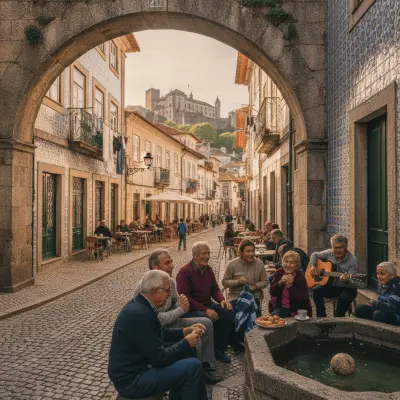
Braga is Portugal's most religious city and its youngest in spirit, a direct effect of the university. Bom Jesus do Monte is essential, but the historic centre at night, with students filling the taverns along Rua do Souto, is the city's real pulse. Guimarães has the castle and the Palace of the Dukes, yes, but it also has the Vila Flor Cultural Centre and Couros, the old tannery district turned cultural hub.
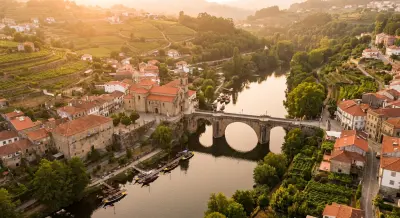
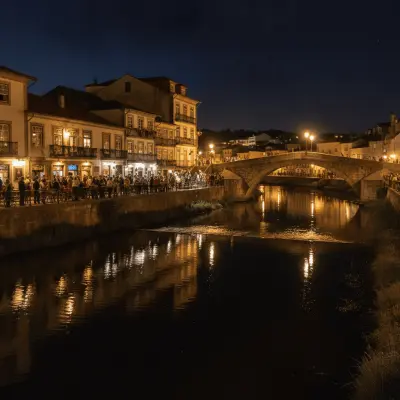
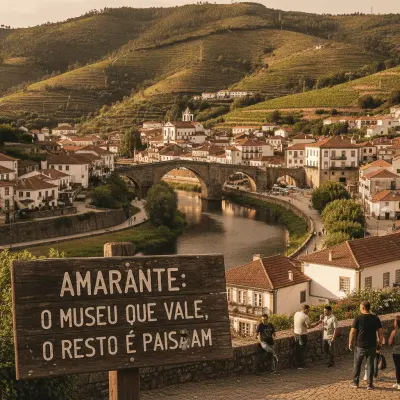
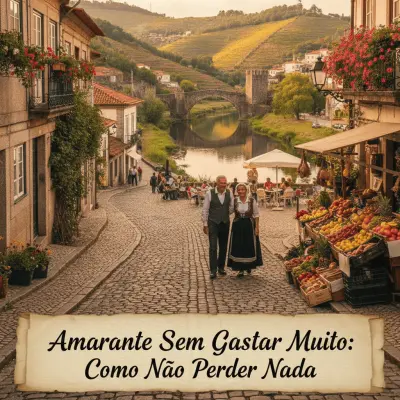
The two cities are less than 30 minutes apart by car. Add Amarante, with its bridge over the Tâmega, its convents, and the pastry shops still selling São Gonçalo sweets, and you have a two-to-three-day triangle that most tourists skip in favour of a second day in Porto.
What to eat in the Norte
The Norte eats seriously. The francesinha belongs to Porto, full stop, don't accept imitations in Lisbon. But the deeper Norte has its own table: rojões à minhota with papas de sarrabulho in Braga, roast kid goat in Vila Real, lamprey rice in the Minho between January and April (not for everyone, but it's tradition), and caldo verde made properly here, thinly sliced couve galega with a generous pour of olive oil.
For sweets, Amarante has papos-de-anjo and lérias. Braga has pudim Abade de Priscos, dense and intense. And in Penafiel, the pão-de-ló de Margaride, moist at the centre, is unlike any other pão-de-ló you'll find in Portugal.
When to go
June to September is the classic window, but the Norte isn't the Algarve, it rains. September and October are excellent: fewer crowds, grape harvest in the Douro, beautiful light. São João in Porto on June 23rd is the country's biggest street party, plastic hammers on heads, sardines grilling in the streets, and jumping over bonfires at midnight. If you can make it, go.
Winter is cold and grey but has its own appeal: Porto in the fog, packed lunch taverns, and the lowest prices of the year. Avoid August if you dislike crowds, Porto fills up and restaurants suffer for it.
What most people get wrong
The most common mistake is treating the Norte as an extension of Porto. It's the opposite, Porto is the exception within a rural, mountainous region deeply connected to the land. Vila Real, with the Mateus estate and access to Alvão, deserves at least one night. Penafiel is a gateway to the Sousa valley and its concentration of Romanesque churches. The Norte rewards those who leave the motorway.