Sleep
€€€
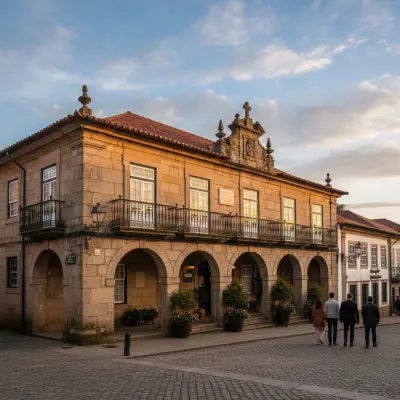
Hotel da Oliveira
Guimarães
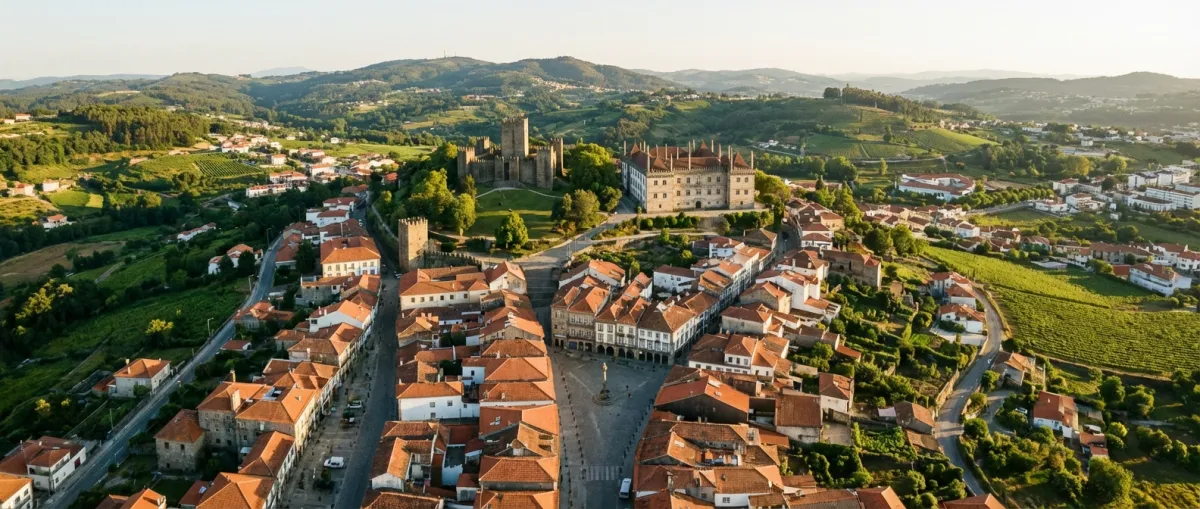
Guimarães is where Portugal began, literally, but the granite old town, Minho tascas, and Monte da Penha make it far more than a history lesson. One day covers the essentials; two let you discover the city that remains after the day-trippers leave.
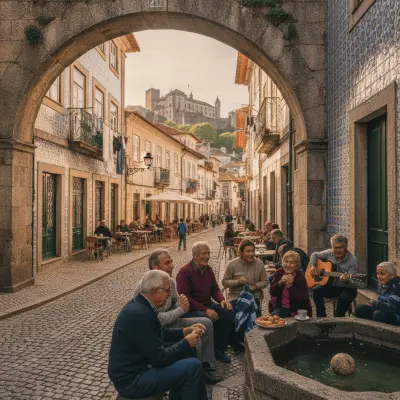
Guimarães proves a UNESCO World Heritage city doesn't have to break the bank: the castle, the Cidadela and the historic center cost nothing, and a full day fits under 25 euros. Here's where to save and where it's worth splurging.
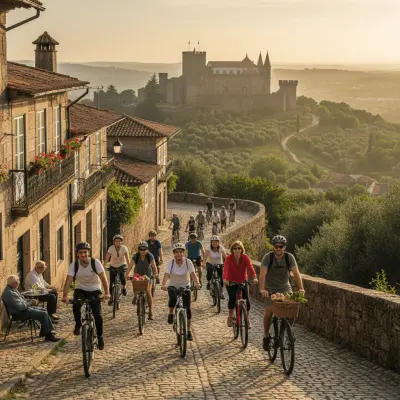
From the Ave River Greenway to the mountain loop with 2000 metres of climbing, Guimarães has topography for every level. An honest guide to where to ride, where to rent, and where to eat rojões after eight hours in the saddle.
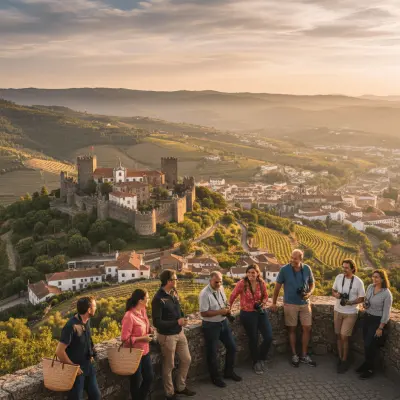
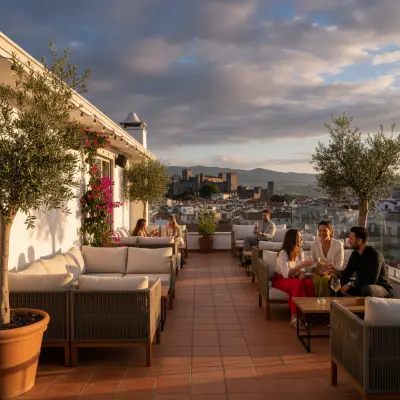
An honest guide to the best viewpoints in Guimarães, with the right hour for each one. Spoiler: Penha is a morning viewpoint, not a sunset one. The best place to watch the sun drop is the Eurostars rooftop.
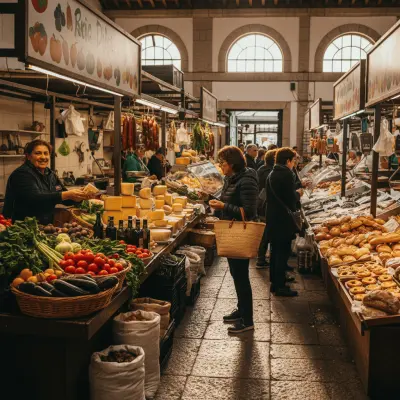
Seven in the morning, vinho verde flows from the tank at three euros a litre and the cheese ladies know exactly who has the best cured cod. An honest guide to the Mercado Municipal in Guimarães: what to buy without hesitation, what to taste first, and the wicker basket you should not take home.
The inscription "Aqui Nasceu Portugal", Portugal Was Born Here, carved into the old town wall isn't marketing. It's historical fact. Guimarães was the seat of the county that became Portugal, the base from which Afonso Henriques declared himself king in the twelfth century. The city has never let anyone forget it, and frankly, it's earned the right.
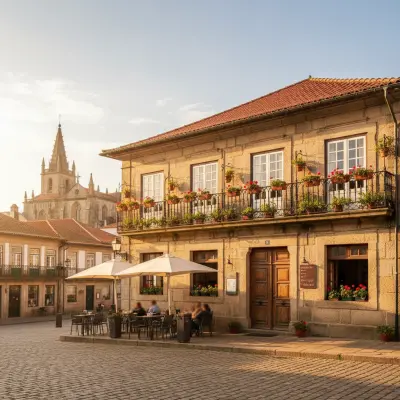
Largo da Oliveira is the natural starting point. From this granite square, Rua de Santa Maria, one of the oldest streets in the city, climbs toward the castle through iron-balconied façades and stone archways. Next door, Praça de Santiago fills up in the late afternoon with locals settling in for a beer before dinner. This isn't a staged scene; it's just how the city works.
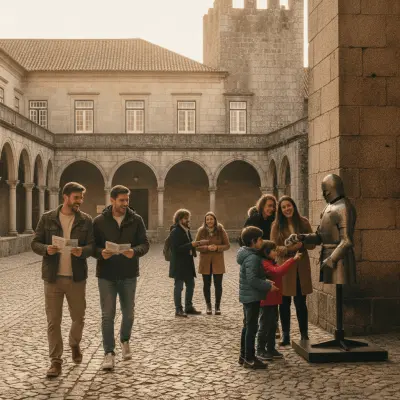
The Paço dos Duques de Bragança and the Castelo de Guimarães sit a short walk uphill. The castle is compact, don't expect Sintra, but the keep offers an open view across rooftops to Monte da Penha in the distance. The cable car up to Penha is worth the ten-minute ride, especially with children or if you want to swap granite for forest canopy for a few hours.
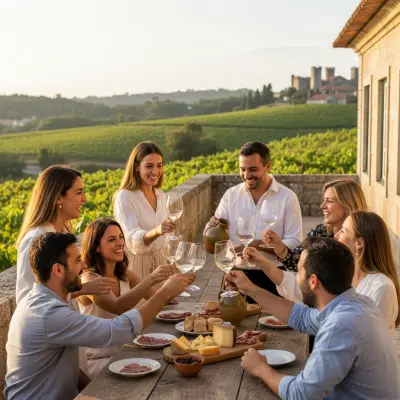
Guimarães sits in Minho territory, which means rojões com papas de sarrabulho isn't a culinary novelty, it's a Tuesday lunch. Look for them in the old-centre tascas, not in the restaurants with translated menus. Torresmos are everywhere, and convent-origin sweets show up in pastry shops as toucinho do céu and tortas de Guimarães, the latter filled with pumpkin and almond.
One full day covers the historic centre, the castle, and the Paço dos Duques comfortably. Two days let you ride up to Penha, explore the Zona de Couros, the old tannery district converted into a university campus and cultural quarter, and have dinner without watching the clock. Guimarães is under an hour by train from Porto, making it an easy day trip, but staying overnight shows you a different city: quieter, the granite lit up, the squares nearly empty.
The 2012 European Capital of Culture title left real marks, the Plataforma das Artes e da Criatividade, housed in a former market hall, and a cultural programme that still runs strong. Guimarães doesn't live only in its medieval past, but it would be dishonest to pretend that past isn't what makes it magnetic.