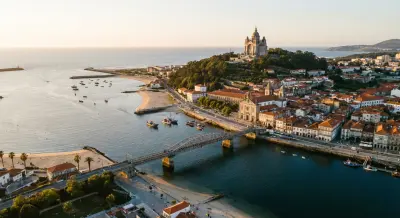
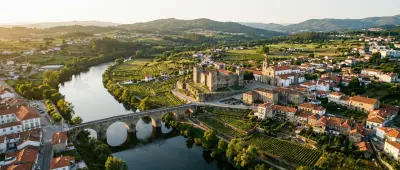
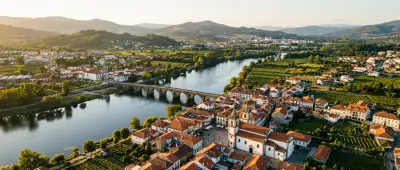
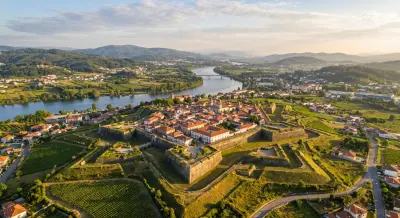
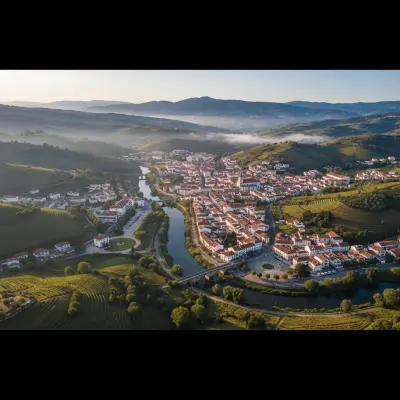
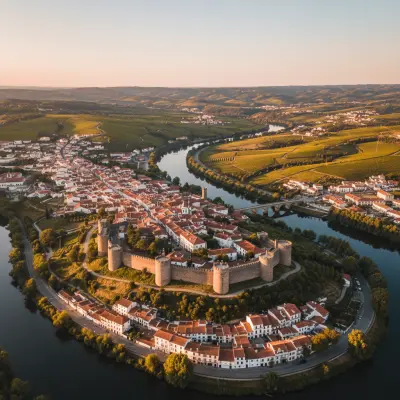
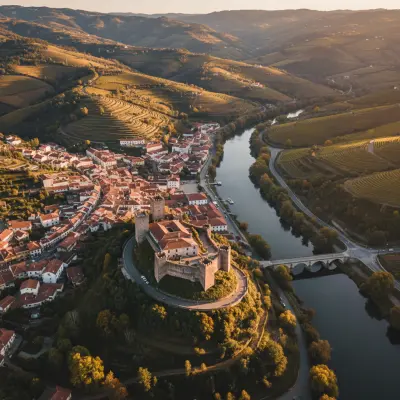
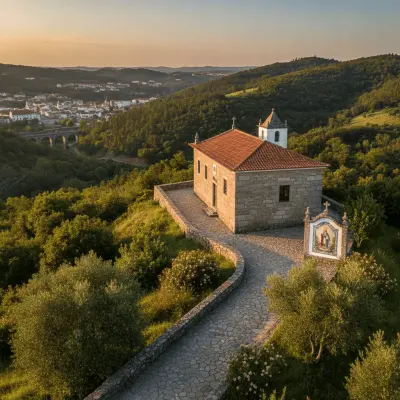
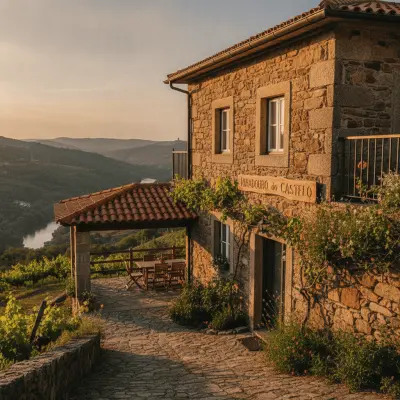
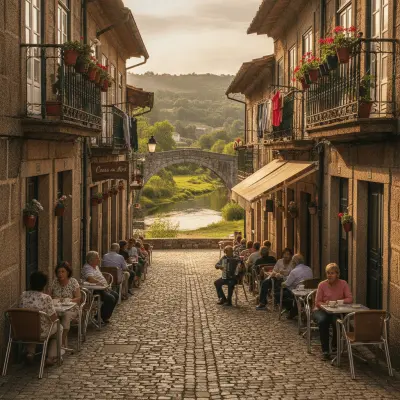
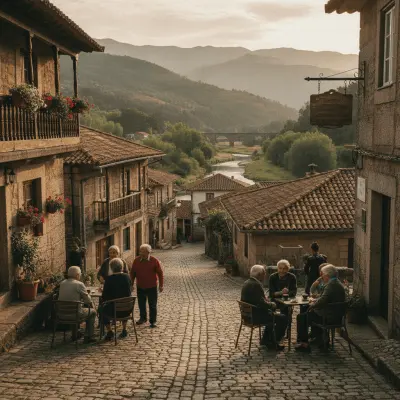
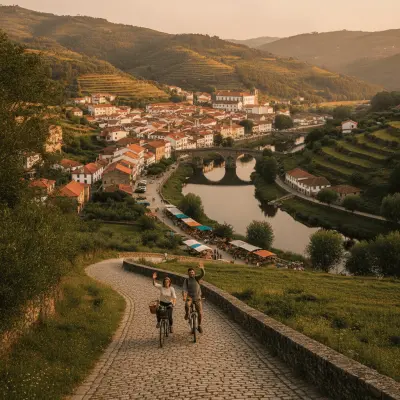
Minho is Portugal at its greenest, wettest, and most stubbornly traditional. It rains here more than anywhere else in the country, and that water explains everything: the vine-draped valleys, the rivers where lamprey are fished each February, the granite granaries built to keep corn dry. If the Alentejo is where time stopped, Minho is where time simply decided things are fine as they are.
What defines Minho
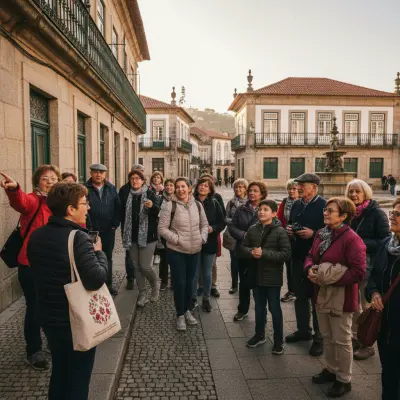
This is the most densely populated region of inland Portugal, a patchwork of villages divided by stone walls and vinho verde pergolas. From Viana do Castelo to Melgaço, the River Minho traces the border with Galicia, and the proximity shows, in the language, the food, and the way people greet each other. Valença and Monção face Spain more than they face Lisbon, living with their backs turned to the rest of Portugal and their eyes on Tui and Salvaterra do Miño across the water.
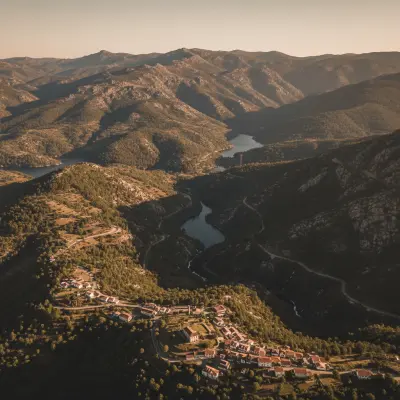
Gerês, Portugal's only national park, dominates the interior, with its granite plateaus, wild garrano horses, and waterfalls feeding reservoirs. But Minho isn't just nature: Barcelos hosts one of Portugal's oldest weekly markets, every Thursday, where you can buy clay pottery, painted roosters, and cabbages that weigh more than newborns.
What to eat
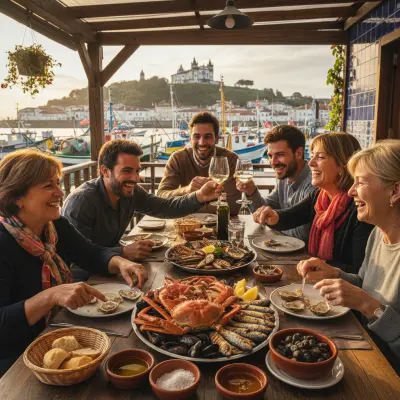
Minho is arguably Portugal's best eating region, and anyone who disagrees has never tried arroz de sarrabulho on a rainy day in Ponte de Lima. The roster runs deep: rojões à minhota with chestnuts, papas de sarrabulho, caldo verde made with hand-cut galega cabbage (machine-cut just isn't the same), bacalhau à Braga, and the lampreia à bordalesa that between January and March alone justifies the trip to Monção or Valença.
Vinho verde is the natural companion to all of this, and no, not the watered-down version served in Lisbon. In Minho, the alvarinho from Monção and Melgaço has body, minerality, and an acidity that cuts right through the richness of rojões. Try it at the quintas along the Minho valley and forget whatever you thought you knew about vinho verde.
When to visit
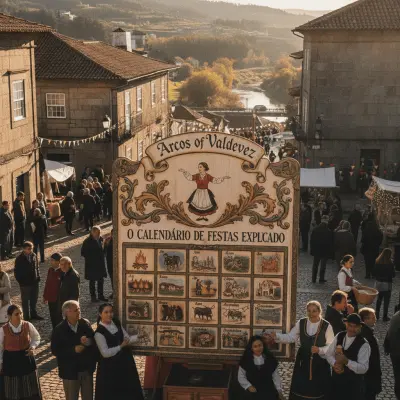
Minho has two seasons: romaria season and not-romaria season. From June to September, every village has its own festa, with processions, drums, giant parade figures, and eating that lasts for days. The Romaria d'Agonia in Viana do Castelo, held in August, is the biggest and best known, featuring traditional costumes laden with gold filigree worth more than the houses of the women wearing them. The Festa das Cruzes in Barcelos, in early May, kicks off the season.
If you prefer quiet, come in October or November: the grape harvest is still done by hand at many quintas, the rain has arrived but isn't yet relentless, and restaurants are empty enough for the owner to sit at your table and tell stories.
What most tourists get wrong
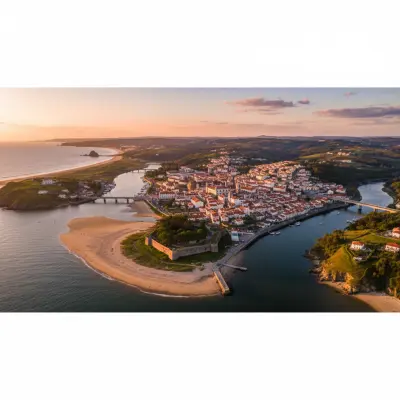
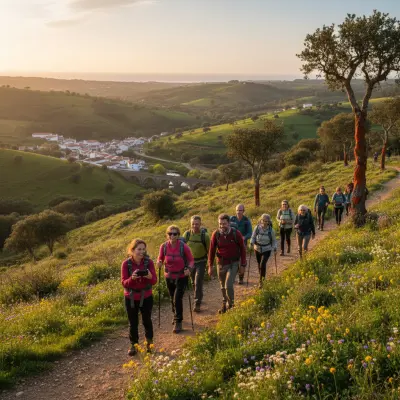
The most common mistake is treating Minho as a day trip from Porto. Braga and Guimarães absorb all the traffic, and the rest of the region, where the real richness lies, gets overlooked. Ponte de Lima, Portugal's oldest town, deserves at least one night. Arcos de Valdevez is the gateway to Gerês hiking trails that rival anything in the Alps. And Caminha, at the mouth of the River Minho, has a medieval square and a ferry to Ínsua island that few visitors discover.
Minho doesn't need a sales pitch. It needs your time. Give it three days minimum, and you'll understand why the Minhotos are in no hurry to change a thing.