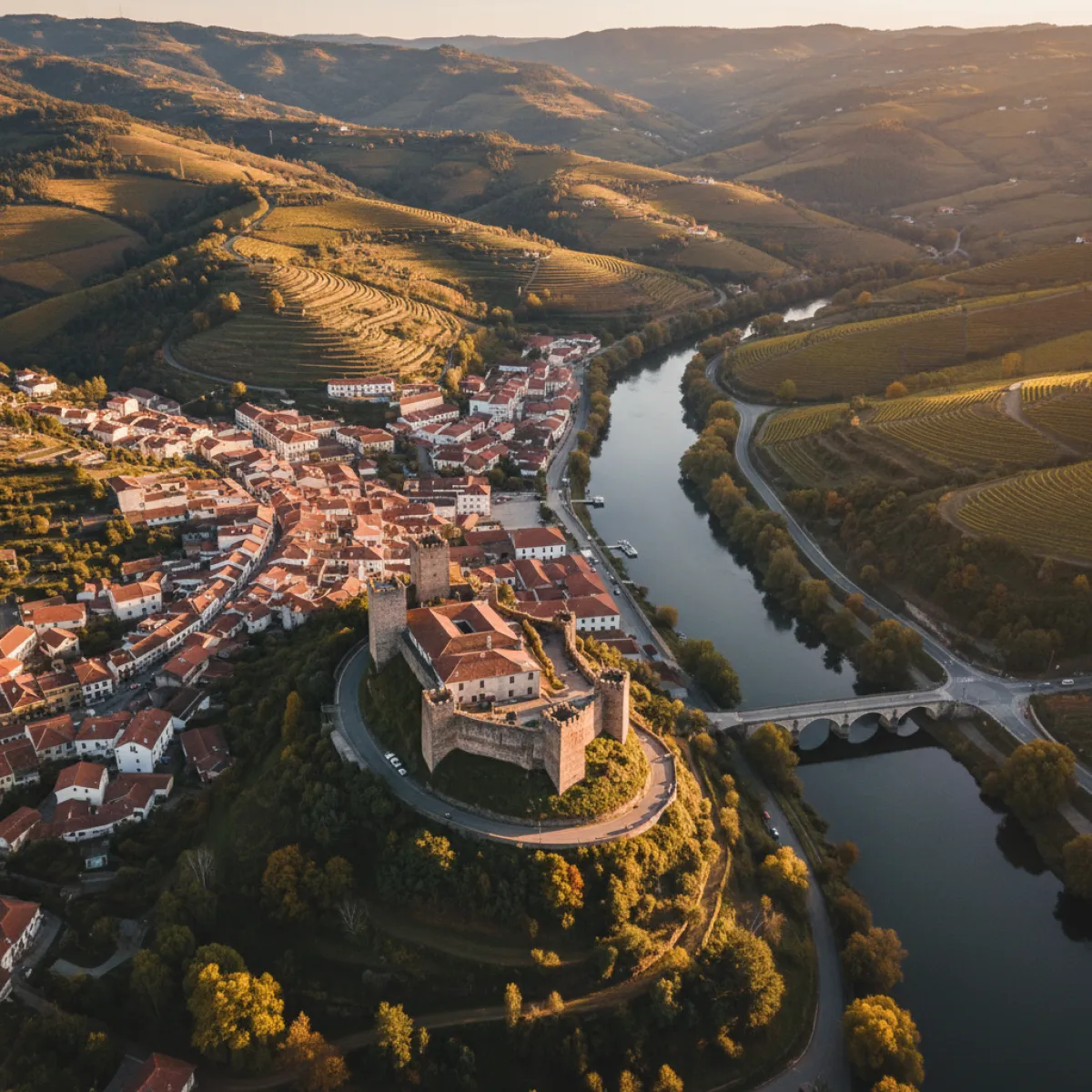
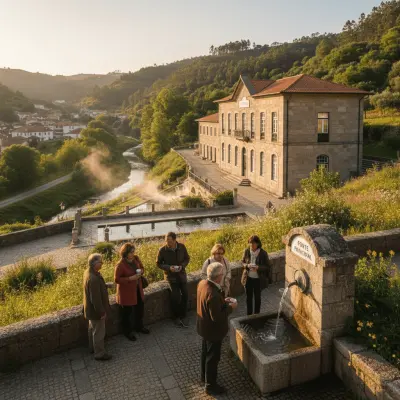
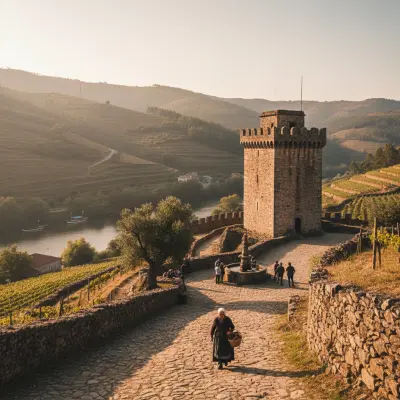
Melgaço is the northernmost town in mainland Portugal, and that's not just a geographical footnote, it's an identity. The Minho River runs so close to Spain here that you can hear Galician conversation from the opposite bank. The town was founded as a defensive outpost, and the twelfth-century castle ordered by Afonso Henriques still anchors the historic centre with its rectangular keep, the Torre de Menagem. Pay the small fee to climb to the top: the view across the Minho valley into Galicia justifies every stone step.
The Alvarinho capital
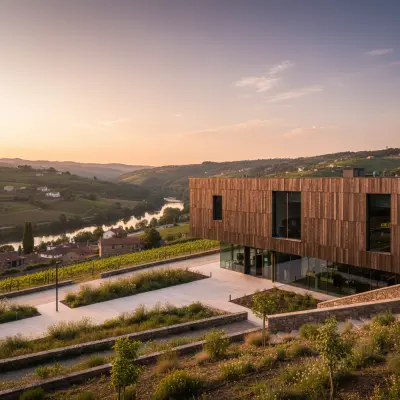
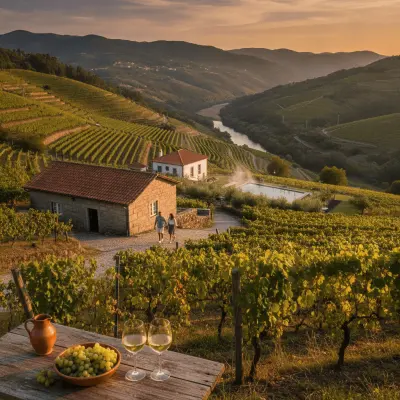
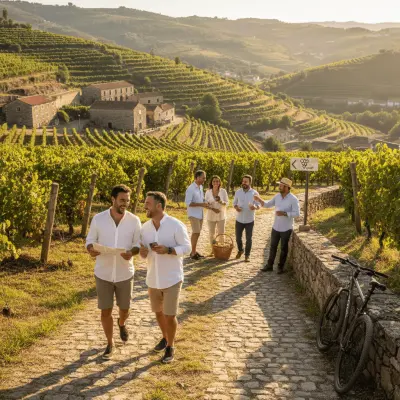
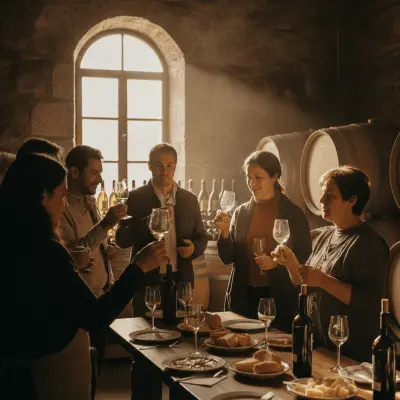
If there's one reason people seek out Melgaço beyond the landscape, it's Alvarinho wine. The Monção-Melgaço sub-region produces the most respected vinho verde in the country, and the Alvarinho grape thrives here thanks to sheltered valleys, Atlantic humidity, and granite soils. At the Solar do Alvarinho, right in the town centre, you can taste dozens of local labels without any obligation. It's not a staged wine tourism experience, it's a room with bottles and someone who knows the producers by name.
Eating on the border
Melgaço's kitchen belongs to the frontier and the mountains. Fumeiro, smoked ham, salpicão sausage, chouriça, is a serious tradition here, slow-smoked over oak. In season (January to April), lamprey from the Minho appears on restaurant menus, served à la bordalesa with rice. Outside lamprey season, roast kid goat with crushed potatoes is the reliable choice. Always order broa de milho on the side.
Beyond the town
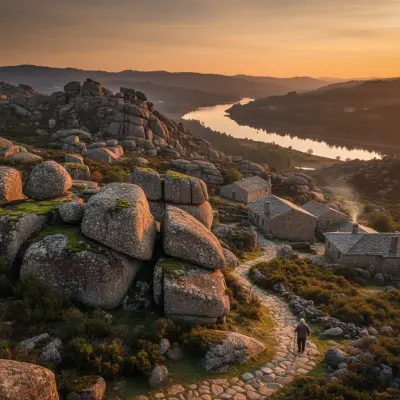
Melgaço is one of the gateways to Peneda-Gerês National Park. The road to Castro Laboreiro, about 25 km away, climbs through granite landscape to a remote village with its own castle ruins and megalithic trails. If you prefer the river, local operators run rafting trips on the Minho. The town itself fills a solid day, but add Castro Laboreiro and a couple of Alvarinho estates and two to three days feels right.
When to go
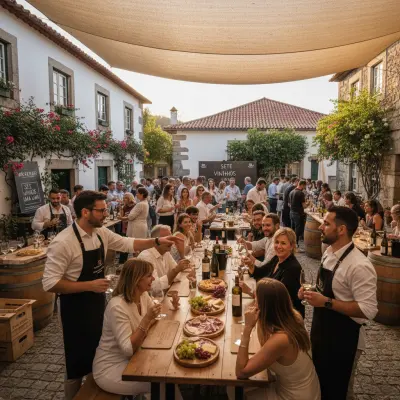
The Festa do Alvarinho, usually in April or May, fills the town with producers and visitors, it's the best excuse for a first trip. In summer, temperatures stay mild compared to the rest of Portugal, making Melgaço a refuge from southern heat. Winter is wet and quiet, but it has its own logic: fewer people, smoked meats on the table, and the Minho's green at its most saturated.