The Granite Frontier: A High Minho Pilgrimage to Melgaço
Explore Melgaço, the High Minho’s granite sentinel, where medieval fortifications meet a world-class cinema museum and exceptional Alvarinho wines. A sophisticated guide to Portugal's northernmost frontier.
The Granite Sentinel of the High Minho
There is a specific, unyielding gravity to Melgaço that sets it apart from the rest of the Minho region. While the southern stretches of this province are defined by rolling green hills and a certain bucolic softness, Melgaço stands as a fortress of granite. This is the northernmost frontier of Portugal, a place where history has been carved out of the mountain and defended at the river’s edge. To visit Melgaço is to engage with a landscape of permanence, where the medieval walls and Romanesque arches feel as much a part of the geology as the boulders of the Peneda-Gerês National Park.
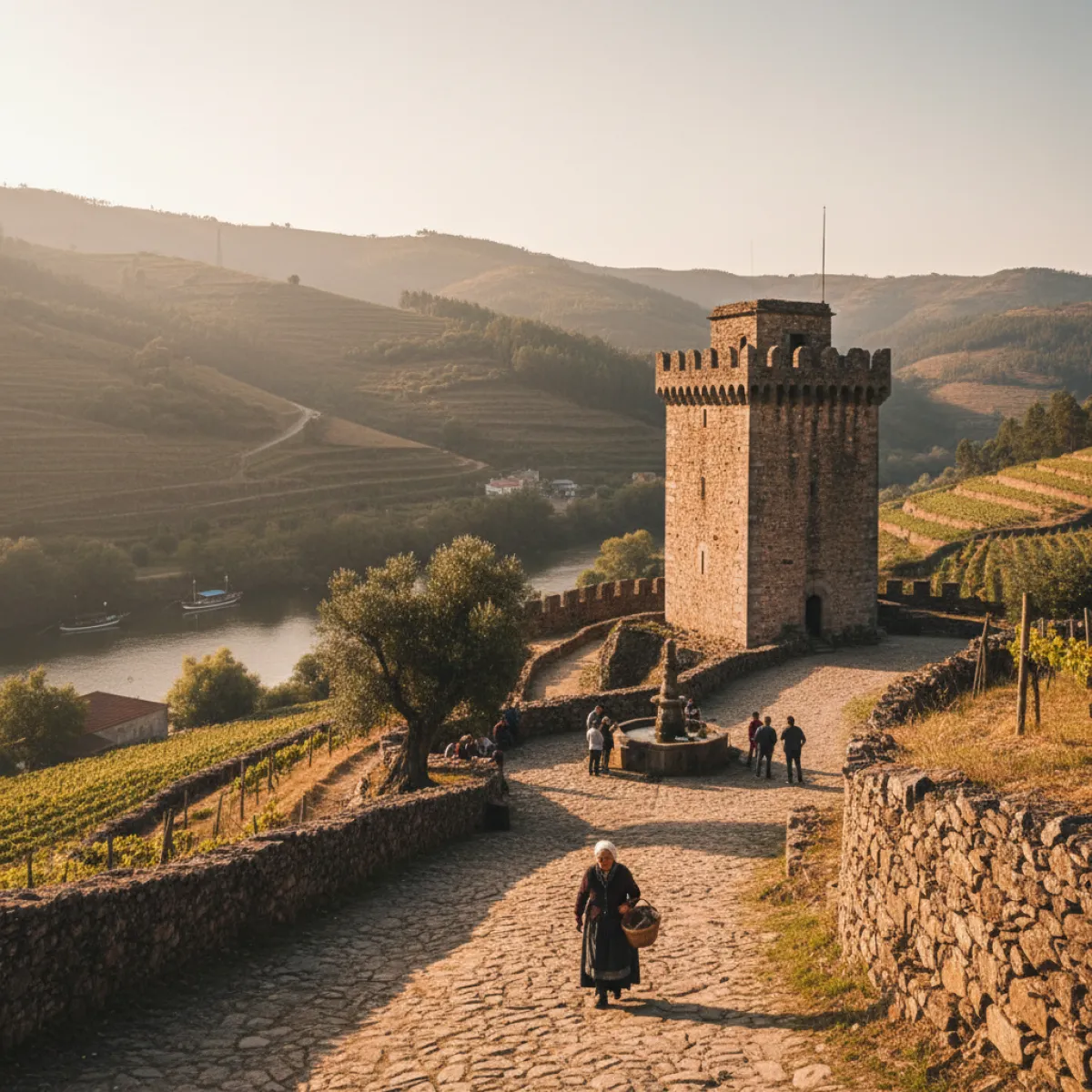
The historical heart of the town is anchored by its 12th-century castle. Commissioned by D. Afonso Henriques, the first king of Portugal, it serves as a stark reminder of the nation’s formative years. The Keep (Torre de Menagem) is the focal point, now housing a small but insightful military museum. Walking the ramparts provides a panoramic view that explains the town’s strategic importance: to the north, the Minho River acts as a natural moat separating Portugal from Spanish Galicia; to the south, the mountains offer a formidable barrier. The architecture here is functional, void of unnecessary ornament, reflecting the pragmatic spirit of border life.
Romanesque Echoes and the Soul of the Stone
Melgaço’s religious heritage is equally grounded. The Parish Church (Igreja Matriz), dedicated to Santa Maria da Porta, is a textbook example of Portuguese Romanesque architecture. Its portals are decorated with symbolic carvings that have weathered centuries of mountain wind. There is a profound silence in these spaces, a contrast to the more ornate cathedrals found in the south. A short drive away lies the Monastery of Paderne, a site that feels suspended in time. The church’s austere interior and the surrounding silence offer a meditative experience that is increasingly rare in European travel.
This commitment to preserving a slower, more deliberate way of life is a thread that runs through the Minho. While Melgaço offers a vertical, defensive perspective, one can find a different kind of historical depth nearby. For instance, The Slow Rhythm of Ponte de Lima: A Family Guide to Portugal’s Oldest Village explores a softer side of the region’s heritage, where riverside strolls replace mountain climbs, providing a perfect counterpoint to the ruggedness of Melgaço.
A Cinematic Anomaly: The Jean-Loup Passek Legacy
Perhaps the most unexpected landmark in Melgaço is the Museu do Cinema de Melgaço (Jean-Loup Passek). Located in the town’s former customs house, it holds the private collection of Jean-Loup Passek, the legendary critic and director of the cinema department at the Centre Pompidou in Paris. Passek fell in love with Melgaço and chose it as the home for his life’s work. The museum is a world-class archive of pre-cinema history, magic lanterns, and original posters from the dawn of film. It is a startling piece of cosmopolitanism in a remote mountain town, reminding us that heritage is not just about the local, but about the connections we make with the wider world.
Castro Laboreiro: High-Altitude History
To truly understand Melgaço, one must ascend to Castro Laboreiro. At over 1,000 meters, this village is a world unto itself. The ruins of its castle blend seamlessly into the granite outcrops, appearing more like a natural rock formation than a man-made structure. The history here is prehistoric; the surrounding plateau is dotted with megalithic tombs and dolmens. But the most fascinating aspect is the culture of transhumance. For centuries, the locals moved between 'Brandas' (summer villages) and 'Inverneiras' (winter villages) to maximize the use of their pastures.
The bridges of Castro Laboreiro, such as the Cava da Velha bridge, are iconic. They are masterpieces of dry-stone engineering, spanning deep gorges to connect isolated hamlets. This resilience and mastery of material is a hallmark of the Minho people, whether they are working with granite in the mountains or as seen in The Living Craft of Minho: A Deep Dive into the Pottery of Barcelos, where clay becomes the medium for preserving regional identity.
Gastronomy: The Taste of the Granite
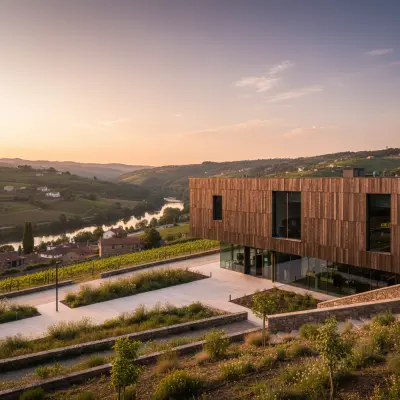
The culinary landmarks of Melgaço are as essential as its stones. This is the cradle of Alvarinho wine. The microclimate here, characterized by significant temperature swings and protection from the Atlantic winds, produces a wine with unparalleled structure and acidity. A visit to the Solar do Alvarinho is a good starting point, but the real magic is found in the smaller quintas where producers are experimenting with skin contact and oak aging.
The food is equally robust. Smoked meats, particularly the Presunto de Melgaço, are prized across the country. In the winter, the landscape takes on a dramatic, moody quality that transforms the dining experience into something deeply evocative. This seasonal shift is beautifully described in The Fog and the Feast: Why Ponte de Lima is Portugal’s Most Evocative Winter Escape, which captures the essence of the Minho’s colder months when the table becomes the center of life.
Practicalities for the Discerning Traveler
- Best Time to Visit: Late May for the lush greens of the valley, or late September for the wine harvest. If you enjoy dramatic landscapes and solitude, the winter months offer a unique, moody atmosphere.
- Logistics: Melgaço is a two-hour drive from Porto. A car is essential to explore the remote sites like Paderne and Castro Laboreiro.
- Budget: Expect to pay €120–€180 per night for high-quality accommodation in converted manor houses. A meal at a top-tier local restaurant will range from €30 to €50 including wine.
- What to Order: Look for Cabrito (roasted kid goat), Lampreia (lamprey) during the spring, and the local Fofos de Melgaço for dessert.
Melgaço is not a destination for those seeking the glossy, polished version of Portugal. It is a place of texture—the roughness of granite, the bite of a young Alvarinho, and the silence of the high plateau. It is an essential pilgrimage for anyone who wishes to understand the enduring soul of the High Minho.