Museu do Cinema de Melgaço (Jean-Loup Passek)
Explore the Melgaço Cinema Museum, home to the prestigious collection of Jean-Loup Passek. A fascinating journey through pre-cinema, magic lanterns, and the history of film in the heart of the Minho region.
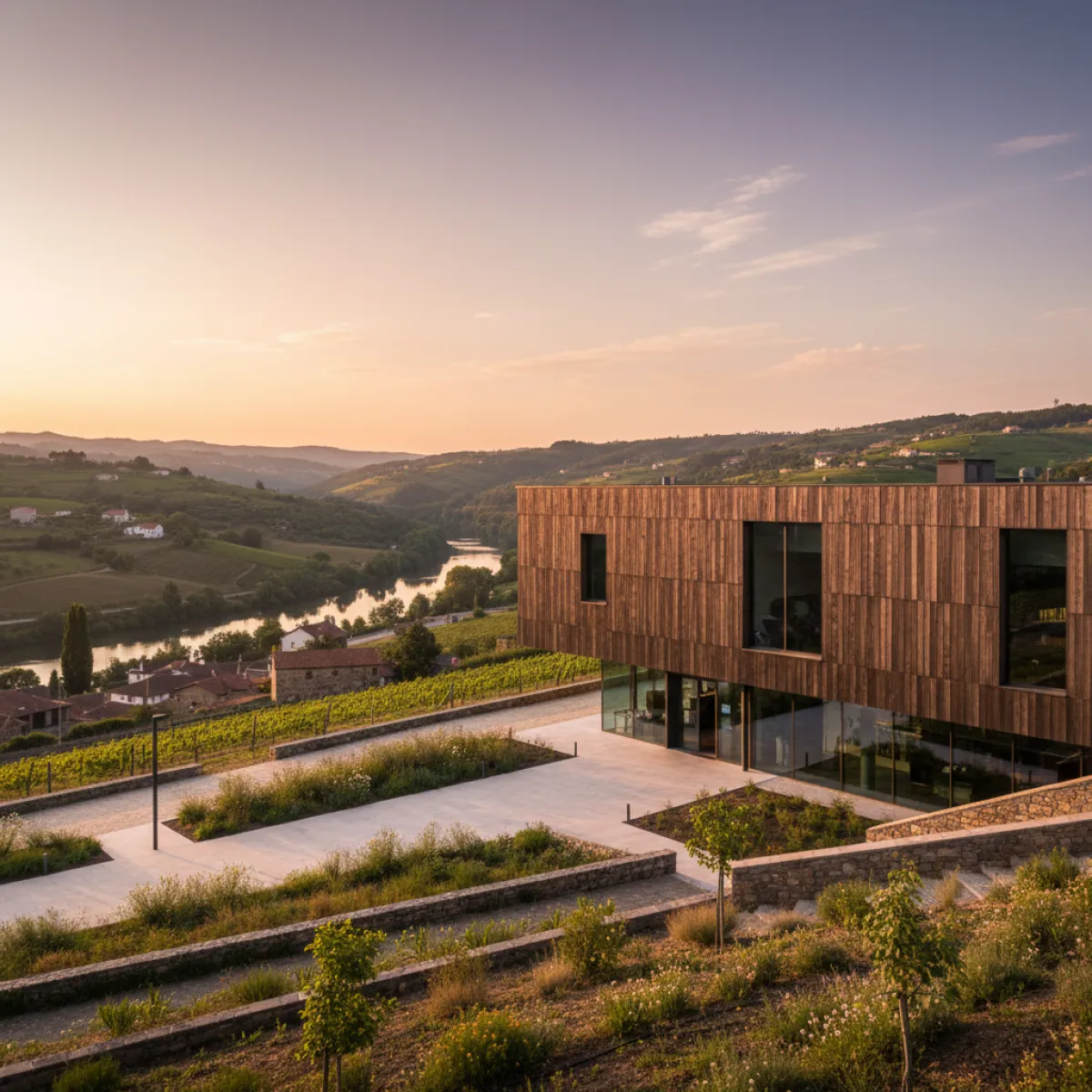
A Cinematic Sentinel on the Minho Border
Located at the northernmost tip of Portugal, where the Minho River carves a natural boundary with Spanish Galicia, the town of Melgaço shelters a treasure that defies its modest scale. The Melgaço Cinema Museum, dedicated to the memory and collection of Jean-Loup Passek, is far more than a mere repository of artifacts; it is a living narrative regarding the human obsession with capturing light and motion. Housed in a former Customs House and Fiscal Guard post, a building once dedicated to monitoring the movement of goods and people, the museum now facilitates a different kind of crossing: the journey between reality and the cinematic imagination.
The choice of Melgaço to host this international collection might seem like a geographical anachronism at first glance. However, Passek’s profound connection to this land, born from deep-rooted friendships and a fascination with the border landscape, transformed the town into a pilgrimage site for cinephiles. Upon entering Rua do Carvalho, visitors are met with an architectural sobriety that belies the visual exuberance within. This space is the culmination of a lifetime devoted to criticism, curation, and an unconditional love for moving images.
The Legacy of Jean-Loup Passek: A Lifelong Devotion
Jean-Loup Passek was a pivotal figure in European film culture. As the director of the film department at the Centre Pompidou in Paris and an influential critic for Le Monde, Passek spent decades amassing a collection that rivals those of major metropolitan institutions. His decision to donate this heritage to Melgaço was an unprecedented act of cultural decentralization in Portugal. The museum, inaugurated in 2005, is organized into two primary sections that guide visitors through distinct eras of visual production.
The permanent exhibition focuses on pre-cinema, the experimental period where science and magic were indistinguishable. Here, technology is presented as an art form in itself. The second facet of the museum is dedicated to temporary exhibitions, often highlighting specific directors, genres, or historical periods, allowing the institution to renew itself and offer fresh perspectives on the vast archive of posters, photographs, and documents left by its mentor.
Magic Lanterns and the Dawn of Motion
The museological journey begins long before the Lumière brothers' famous invention. The true enchantment of the first floor lies in the exploration of light and shadow. Visitors will find rare examples of magic lanterns, devices that, in the 17th and 18th centuries, enthralled audiences with hand-painted projections. These objects, crafted from metal and glass, are testaments to an era when an image was a rare, almost mystical event.
Chinese shadows and zoetropes are among the other highlights. The zoetrope, with its vertical slits that create the illusion of motion as the drum spins, is an essential stop to understand retinal persistence. It is a tactile and visual experience that reminds us that cinema is, at its core, a mechanical trick that the brain accepts as truth. Observing these pieces provides a deep understanding of the evolution of the human gaze and the transition from static to dynamic representation.
The Venue: From Border Post to Cultural Sanctuary
The rehabilitation of the old customs post for cultural purposes is one of the most compelling aspects of the visit. The thick stone walls and robust structure contrast sharply with the delicacy of the original film posters from the golden age of cinema that adorn the rooms. There is something poetic in the fact that a location once used to impose limits and restrictions is now a space of total openness to global fiction and creativity.
The museum manages to maintain an atmosphere of intimacy, feeling less like a state institution and more like the private library of a passionate collector. Each caption and exhibit feels imbued with Passek’s personal enthusiasm. The posters, in particular, are of exceptional graphic beauty, representing an era where graphic design was a fundamental extension of the filmic experience, capturing the essence of classic European and American cinema.
Practical Guide for the Film Enthusiast
For those traveling from Porto or Braga, the drive to Melgaço is a scenic prelude. The route via the A3 and the national road hugging the Minho River offers sweeping views of the terraced vineyards where the prestigious Alvarinho wine is produced. The museum is centrally located in the historic district and is easily reachable on foot after parking near the town’s medieval castle.
- When to visit: Spring and autumn are ideal, as they avoid the intense heat of the Minho summer and allow for walks along old smuggling routes or mountain trails.
- What to expect: A quiet, contemplative environment. This is not a high-tech interactive museum, but rather a sophisticated archive of objects and history.
- Confirming hours: Given the small-town setting, it is highly recommended to call ahead (+351 251 401 575) or check the municipal website, especially if visiting on weekdays or during holidays.
- Pricing: Entry is very affordable (€), making it accessible for families and solo travelers alike.
- Dress Code: Casual and comfortable for walking, though the interior is well-maintained and calls for a respectful volume.
Beyond the Screen: Discovering Melgaço
A visit to the Cinema Museum is incomplete without exploring the surrounding context. A short walk away is the Solar do Alvarinho, where one can sample the local nectar, an excellent way to process the visual information gathered at the museum. Melgaço is also a significant culinary destination; seek out local eateries to try the mountain-reared kid (goat) or the cured ham from Castro Laboreiro. The contrast between the cultural sophistication of the Passek collection and the authentic rusticity of Minho gastronomy creates a memorable balance for any traveler.
In summary, the Melgaço Cinema Museum stands as a testament to the fact that culture need not be confined to large urban centers. It is a tribute to the persistence of one man and the hospitality of a community that welcomed the world within four granite walls. For those seeking to understand the roots of modern entertainment or simply to lose themselves in the nostalgia of celluloid, this is an essential destination in the cultural landscape of Portugal.
