The Fog and the Feast: Why Ponte de Lima is Portugal’s Most Evocative Winter Escape
Discover the melancholic charm and culinary depth of Ponte de Lima during the winter months. From the deep traditions of sarrabulho rice to boutique retreats among the vineyards, explore Portugal's oldest town at its most authentic.
The Granite Silence and the River’s Hum
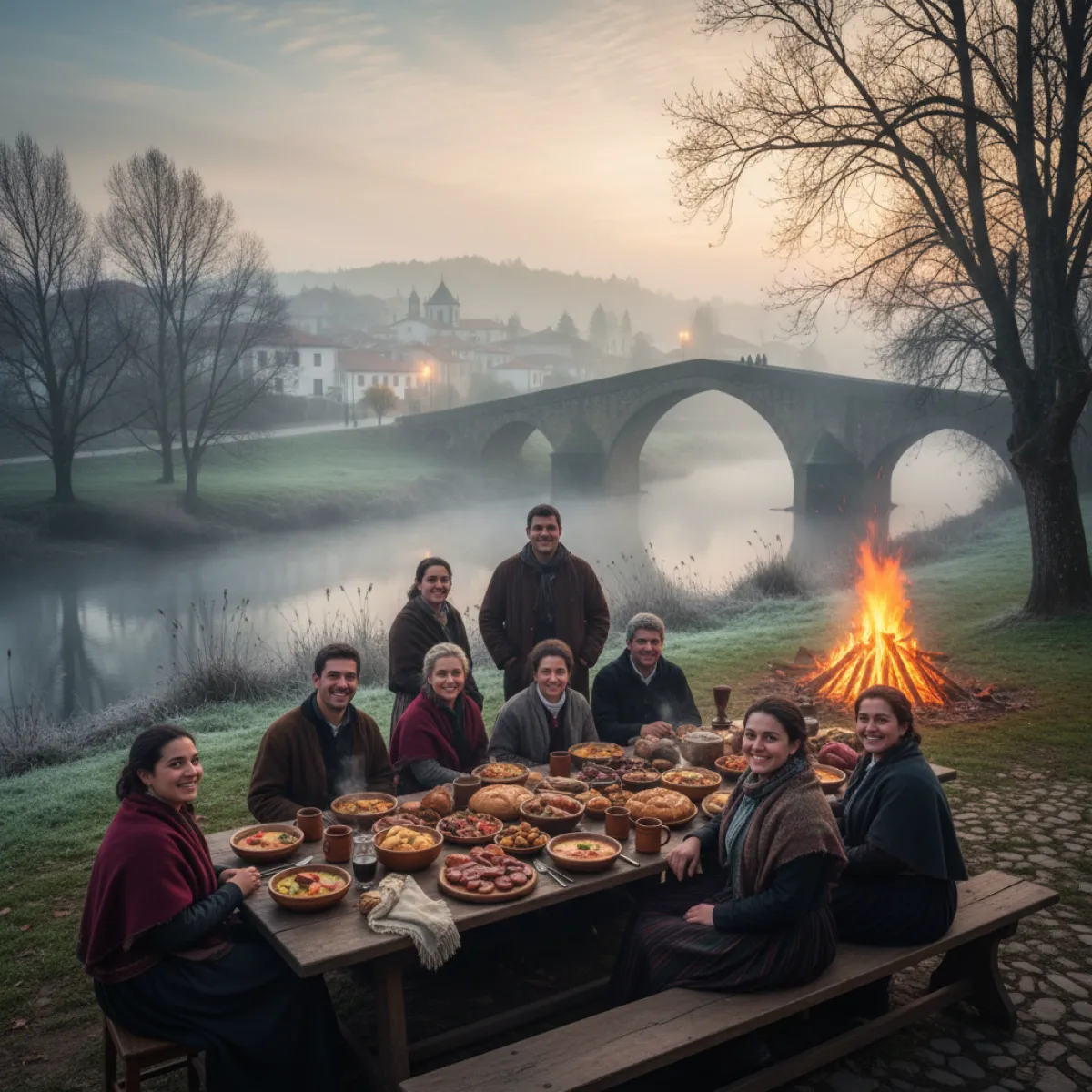
There is a specific moment, usually around dawn on a foggy January morning, when Ponte de Lima stops being just a historic town and becomes a moody oil painting. The mist rises from the Lima River, thick and milky, obscuring the Roman and Gothic arches of the bridge that gives the town its name. It is in this setting, where the Minho cold is crisp but never biting, that one discovers the true essence of Portugal's oldest town. While the summer crowds flock to the coast, seasoned travelers know that winter is when this region reveals its most authentic, textured self.
Walking through the medieval core at this time of year is a lesson in tactile luxury. The wet granite of the manor house facades, the muffled sound of footsteps on ancient paving stones, and the persistent scent of woodsmoke drifting from chimney pots create an atmosphere that feels remarkably unchanged by time. If you are exploring the wider North, this town serves as the perfect, contemplative counterpoint to the more urban energy found in our Braga guide.
The Ritual of Sarrabulho: A Winter Necessity
One cannot discuss winter in Ponte de Lima without addressing Sarrabulho. It is more than just a dish; it is a cultural anchor. At Restaurante Encanada, positioned with a commanding view of the river and the historical bridge, the ritual begins well before noon. Sarrabulho here is a complex affair, centered around a rich, spice-laden rice cooked with shredded meats and blood, served alongside 'rojões' (slow-cooked cubes of pork) and the famous 'papas de sarrabulho'.
To the uninitiated, the dish’s dark appearance and rustic intensity might seem daunting. However, at the first taste of cumin and the balanced acidity of the lemon, you understand why this is the ultimate Portuguese comfort food. It must be accompanied by the local Loureiro, a variety of Vinho Verde that is vibrant, aromatic, and possesses an acidity that cuts through the richness of the pork perfectly. Expect to pay around €25 per person for a full feast, and do not try to rush the service; here, dining is a slow, deliberate act of respect for the kitchen.
Retreats of Heritage and Modern Elegance
In a town where tradition is the primary currency, the choice of where to stay dictates your experience. Carmo’s Boutique Hotel offers the most sophisticated take on Minho hospitality. With only fifteen rooms, it is an exercise in curated design, blending Portuguese antiques with a touch of French modernism. In winter, the aromatherapy spa and goat’s milk baths are the perfect antidote to chilly morning walks. This is the kind of place where breakfast lingers until midday, featuring homemade jams and artisanal cheeses served with a disarming elegance.
For those seeking a more pastoral, earth-bound retreat, Terra Rosa Country House & Vineyards provides an elevated farm-stay experience. Set on a 70-hectare estate dedicated to wine production, the house has been restored with an eye for understated luxury. Pure wool blankets, exposed stone walls, and views of the dormant winter vineyards create a cocoon of silence. It is the ideal sanctuary for anyone looking to reconnect with the slow rhythms of rural life. The heated outdoor pool, surrounded by the steam rising into the cool February air, is a transgressive pleasure on a rainy afternoon.
Beyond the Sarrabulho: Culinary Deep Dives
While the rice dominates local conversation, other corners of the town deserve your attention. Taberna Cadeia Velha, housed in a former prison built into the medieval walls, is the spot for a more informal but high-quality petiscos (small plates) experience. Order the freshly sliced cured ham and the aged sheep’s milk cheeses. For a more formal dinner, A Carvalheira is a local institution. Located slightly outside the town center, it is widely considered the best place to sample traditional Bacalhau à Cebolada (cod with onions). The space is warm, wood-beamed, and filled with local families celebrating multi-generational milestones.
Practicalities for the Winter Traveler
- Timing: Winter (January to March) is low season, ensuring you can secure a table at the best restaurants without a reservation weeks in advance. It’s also the peak of the Sarrabulho season.
- Access: From Porto, it’s a direct 50-minute drive via the A3. For a more scenic approach, drive via Viana do Castelo and follow the Lima river inland.
- What to Order: Beyond the main rice dish, try the 'Leite Creme' (Portuguese custard) scorched with a hot iron. It is the mandatory finale to any proper meal in the Minho.
- Budget: Ponte de Lima remains remarkably affordable for the quality on offer. A high-end dinner will rarely exceed €40 per person, and excellent local wines start at €15 a bottle in restaurants.
Ponte de Lima in the winter is not for those seeking fast-paced entertainment or polished tourist traps. It is for the traveler who appreciates the aesthetics of the mist, the honesty of a dish slow-cooked over a fire, and the kind of hospitality that isn’t performed, but simply exists. Like the river that flows through it, the town moves at its own speed, beautifully indifferent to the outside world.
