Visit
€
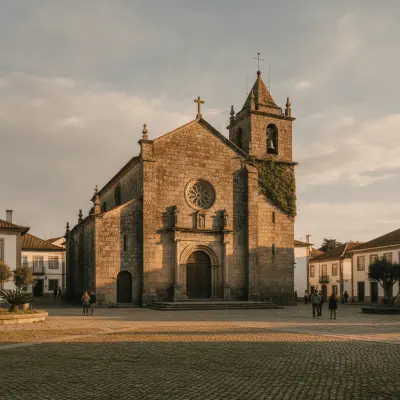
Igreja Matriz de Caminha
Caminha
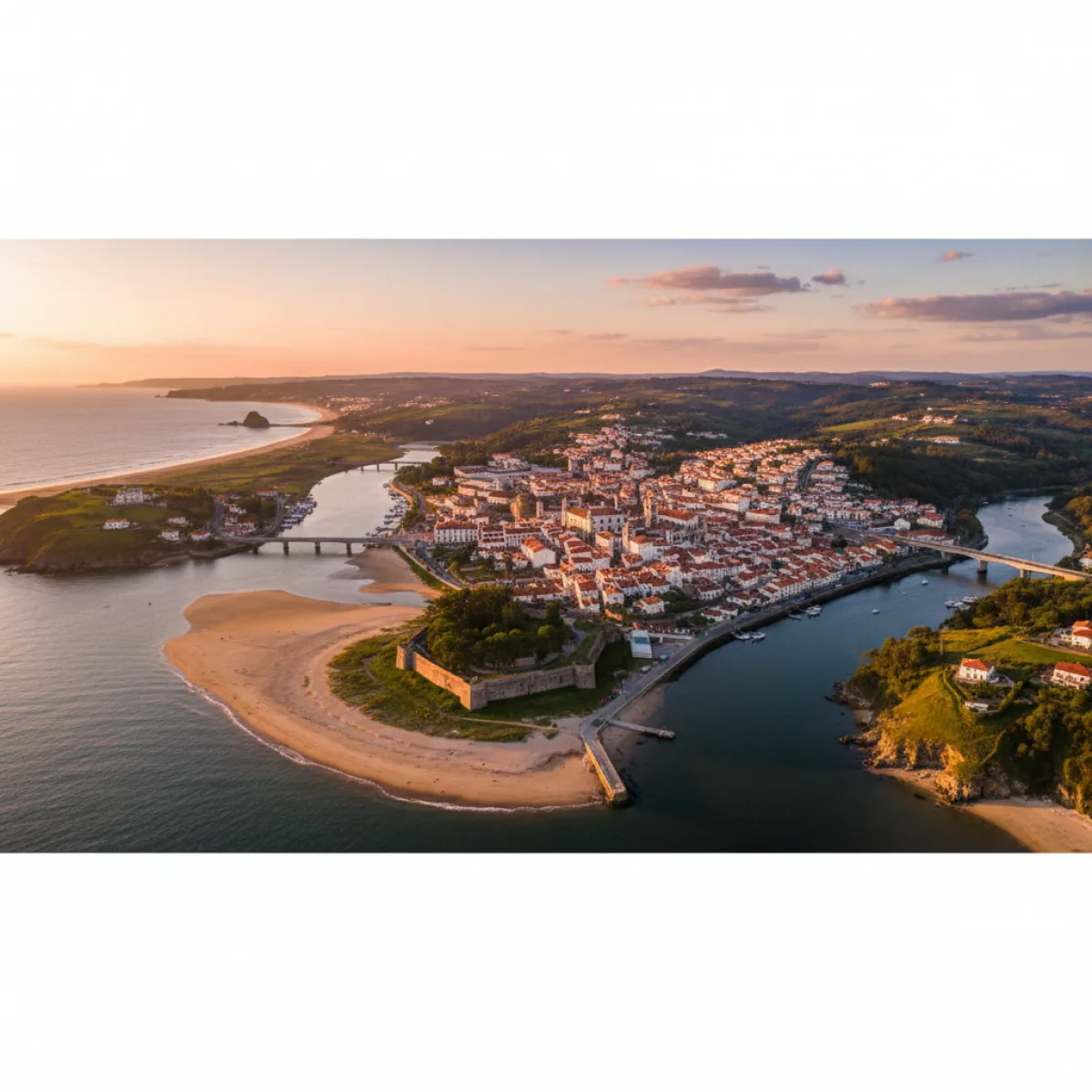
Caminha marks where the Minho River meets the Atlantic, with a 16th-century church worth the trip and lamprey à bordalesa from January through April. It's the right base for exploring the Alto Minho without crowds, with river beaches, surf at Moledo, and Galicia a ferry ride away.
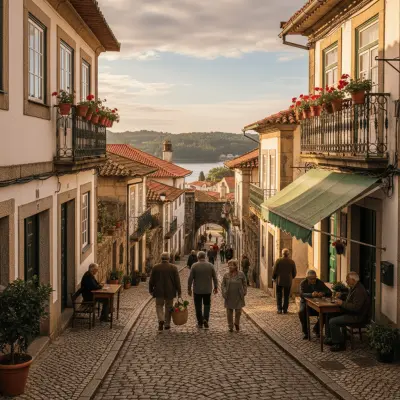
In Caminha, a car is wasted weight: twenty minutes gets you across the historic centre, and two hours is enough to understand why pilgrims keep missing the next morning's bus. An honest neighborhood-by-neighborhood guide for walkers.
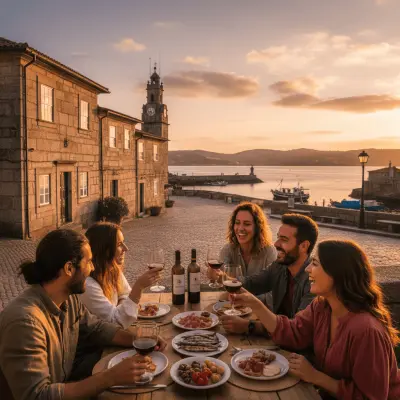
In Caminha, the night starts at 6:30pm, when Spanish day-trippers head back to A Guarda and the town hands itself over to petiscos. A serious itinerary, from the first alvarinho to the last bagaço, without drama and with realistic prices.
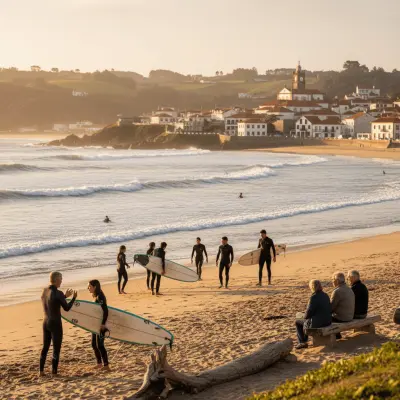
In Caminha, the water is colder than Instagram suggests and the north wind decides everything. An honest guide to where to surf, where to learn, and when it's better to stay on land with a coffee.
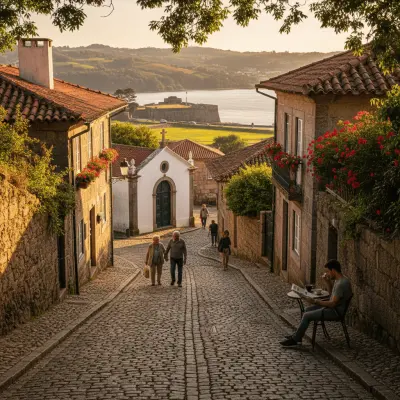
Caminha fits on a single A4 map, and that is precisely the point. Five neighbourhoods to walk, with mandatory stops, views over the Minho and Galicia, and a ten-minute ferry that changes the perspective. Legs, not wheels.
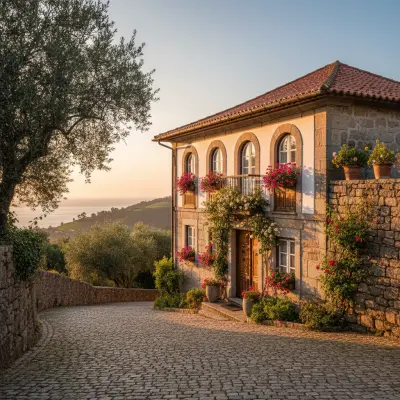
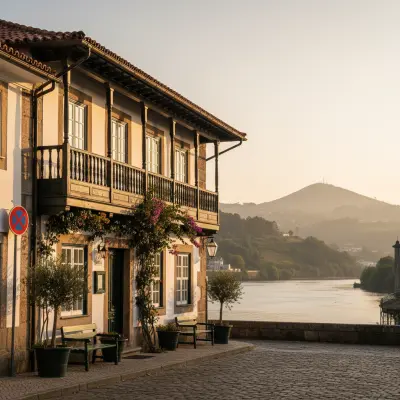
Caminha sits at the exact point where the Minho River meets the Atlantic, with Spain visible across the water, close enough to make out the Galician hills without squinting. It's a town that never outgrew its medieval walls, and that restraint is precisely what makes it worth your time now.
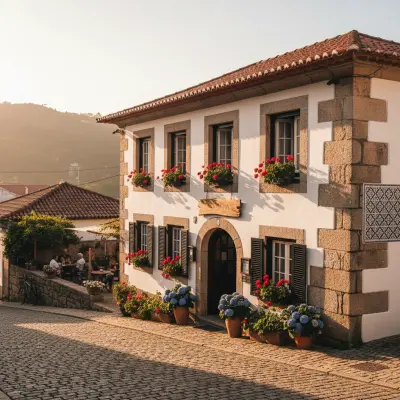
Everything in Caminha leads to Praça Conselheiro Silva Torres, known locally as the Terreiro. This is where you sit, drink coffee, and figure out the town's pace. On one side stands the Igreja Matriz, built between 1488 and 1556, a rare collision of Gothic, Manueline, and Renaissance styles, with stonework that outshines most regional museums. Opposite, the Torre do Relógio, a remnant of the medieval walls, rewards anyone who climbs it with a panoramic view of the rooftops and river. Rua Direita, the medieval artery running from the square, keeps its original façades and rewards slow walking.
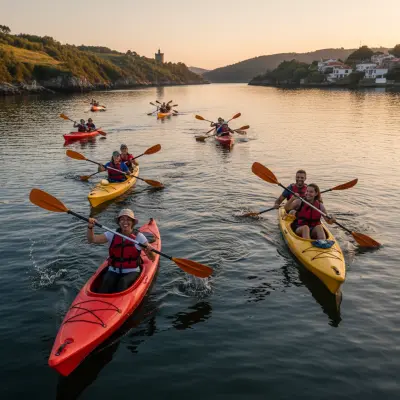
Foz do Minho is the sheltered river beach, calm water, good for families. For waves, head south to Moledo, one of the Alto Minho's best surf spots, with the 16th-century Forte da Ínsua sitting on its island offshore, unreachable and all the more striking for it. If you want elevation, the Serra d'Arga mountains are under 30 minutes away and rarely crowded on the trails.
Between January and April, Caminha is lamprey country, served à bordalesa at riverside restaurants that take the season seriously. Outside that window, look for dried fried sole, octopus, and whatever grilled fish came in that morning. In the inland parishes, roast kid goat prepared Serra d'Arga-style is the signature dish. The town also has an Easter pastry tradition worth seeking out, one we've already written about.
Two days is enough to cover the centre, eat well, and hit a beach. In August, the Festa da Senhora da Agonia brings river processions and midnight fireworks. May through September is best for beaches; January to April for lamprey. Caminha works well as a base for the Alto Minho without the tourist pressure of Viana do Castelo, and the ferry to A Guarda in Galicia leaves from here.