Pastry Shops
€
Pastelaria Bijou
Ponte de Lima
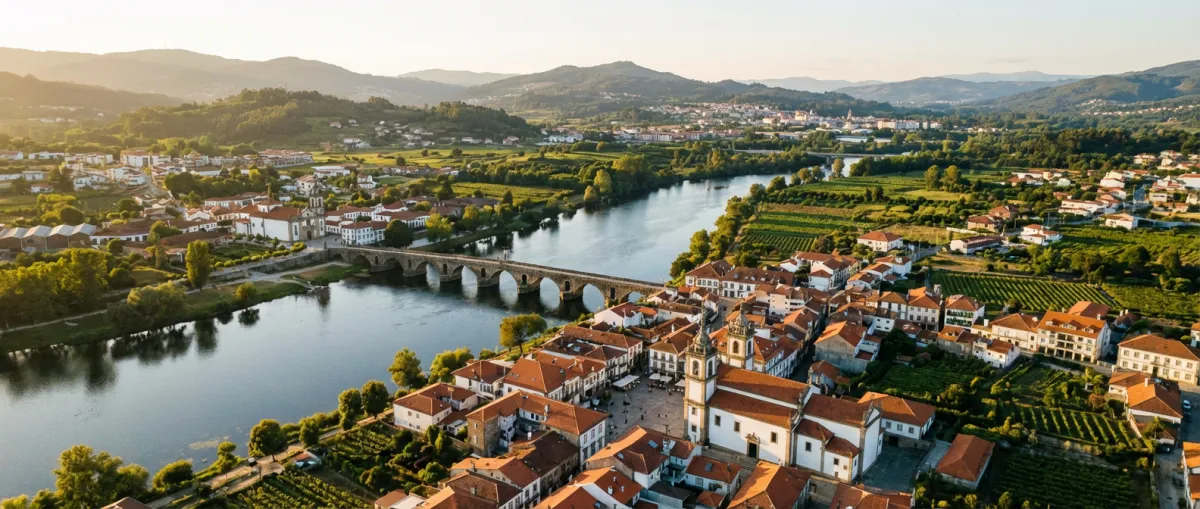
Portugal's oldest town still holds a biweekly market on the Lima riverbanks and serves Minho cooking that doesn't pull its punches. One to two days is enough to walk the historic centre, eat sarrabulho, and find your pace.
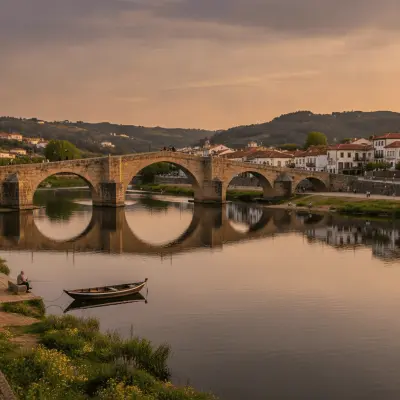
In August, the river in Ponte de Lima looks like a crowded public pool. By September, with kids back at school, the water still at 20 degrees and the coast half an hour away, the village hands itself back to those who know how to wait.
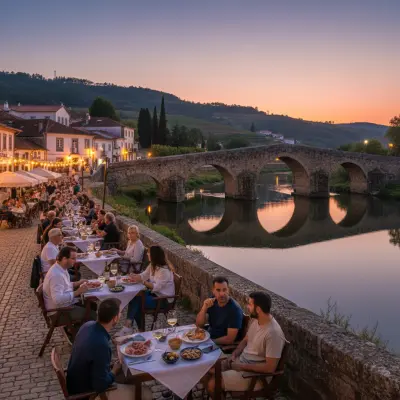
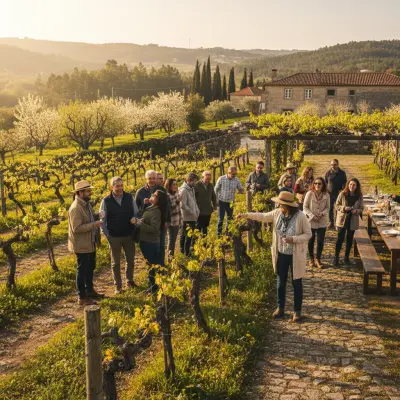
In Ponte de Lima, the best hour to eat is after sundown: when the cellars open, the loureiro flows, and petiscos emerge from the old-town kitchens. This itinerary takes you from a first glass on the riverfront to a last digestif by the water.
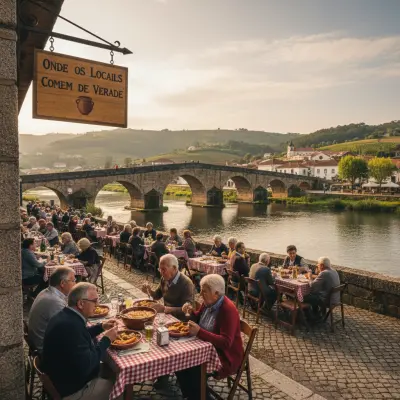
In Ponte de Lima, locals don't eat by the bridge, they eat in the alleys, with jugs of vinho verde and portions of rojões that defy reason. An honest guide to real Minho food, from arroz de sarrabulho to the biweekly market.
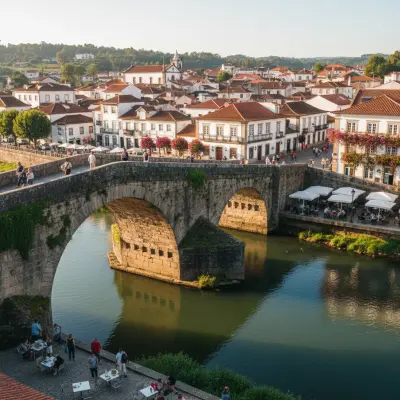
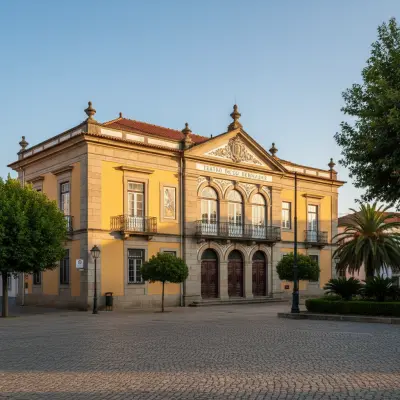
In the early morning, when low-angle light hits the granite facades and the streets are still empty, Ponte de Lima offers the Minho's most compact catalogue of Portuguese architecture. A walking route from Romanesque to neoclassical in under two hours.


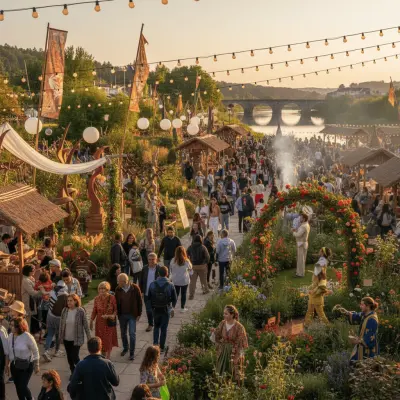
Ponte de Lima holds the title of Portugal's oldest town, it received its charter in 1125, and it still moves at a pace that feels closer to that era than to ours. This isn't a museum piece. It's a working town where the biweekly market has been running on the riverbanks since the Middle Ages, where Vinho Verde producers still show up with jugs to sell alongside cabbages and live chickens. If you want Minho without the polish, start here.
Everything in Ponte de Lima revolves around the Lima River and the medieval bridge that crosses it. Walking across, its uneven arches a mix of Roman foundations and centuries of rebuilding, is the best way to arrive. On the south bank, the Avenida dos Plátanos follows the water under a canopy of massive plane trees that keep things cool even in August. This is where locals walk in the early evening, and you should too.
You can walk the historic centre in thirty minutes, but slow down. The Torre da Cadeia Velha, the Igreja Matriz, and Largo de Camões all sit within a short perimeter. There are no major museums or ticketed attractions, the draw is in the details: granite facades, coats of arms above doorways, stone steps connecting narrow lanes. It's a town for walking and stopping at a café when the mood strikes.
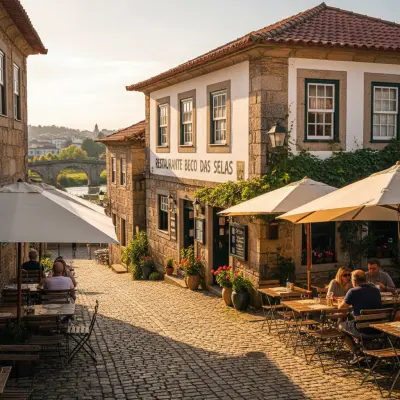
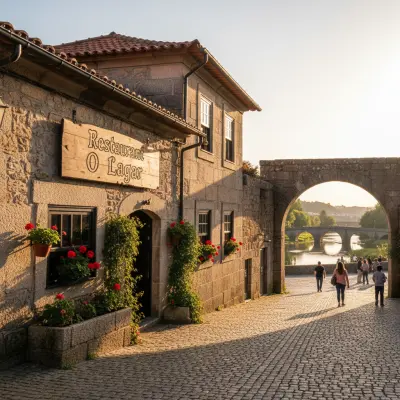
Ponte de Lima is sarrabulho territory, arroz de sarrabulho or papas de sarrabulho, depending on the restaurant and your appetite. These are heavy dishes made with pork blood and spices, and they're not for everyone. But trying them is the quickest way to understand that Minho cooking doesn't apologise for itself. Rojões with chestnuts in autumn, bacalhau à minhota with smashed potatoes, and always local Vinho Verde to wash it down. The restaurants already on our site, O Lagar and Beco das Selas, are solid starting points.
The Feira Nova, held every other Monday, is the best reason to time your visit to a specific day. Otherwise, spring and early autumn are ideal: mild temperatures, few visitors, and enough water in the river to make it beautiful. Summer works but the Minho humidity can catch you off guard. One full day is enough to see the town; two lets you explore the surrounding manor houses and countryside properly.