Sleep
€€
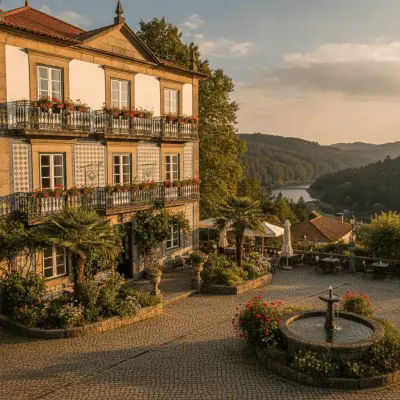
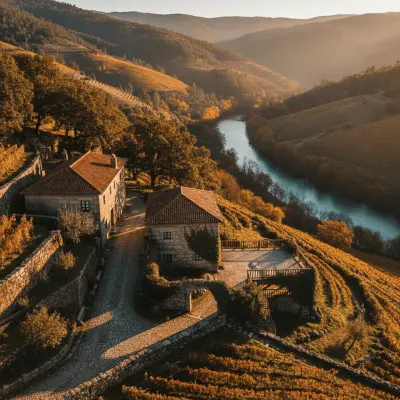
Quinta da Veiga
Gerês
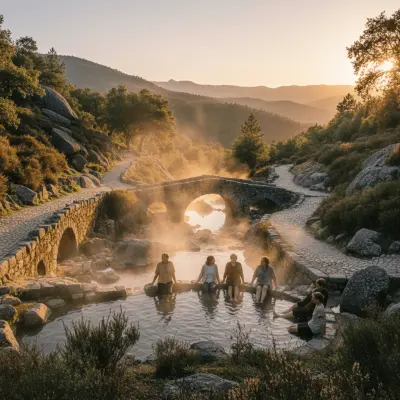
In Caldas do Gerês the water still leaves the mountain at 47°C, exactly as it did under Roman rule. An honest guide to the balneary, the real Via XVIII remains, and why October beats August every single time.
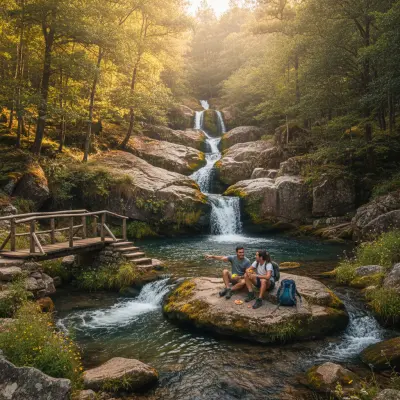
Gerês's famous waterfalls draw crowds, but a 20-minute walk along a forgotten levada in Pincães, or hidden in the Mata da Albergaria with zero signage, there are cascades you'll probably have entirely to yourself. A practical guide to finding them.
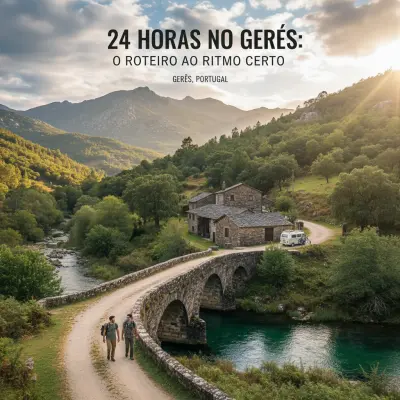
Charcoal-grilled posta barrosã, two-thousand-year-old Roman milestones, and the genuine silence of the one night you should spend in Gerês. A 24-hour itinerary at the pace of someone who knows the park, no rush, no checklists.
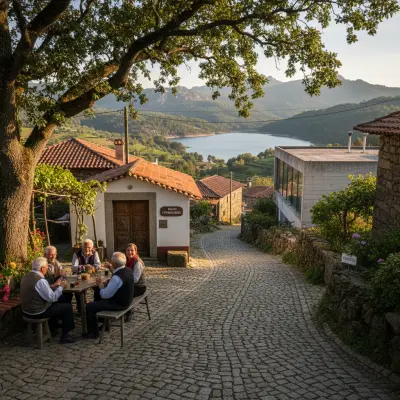
In 1972, an entire village was submerged to build a dam in Gerês. The museum that tells its story is the best in the region, and costs just €2. But not every museum space in the serra deserves the detour.
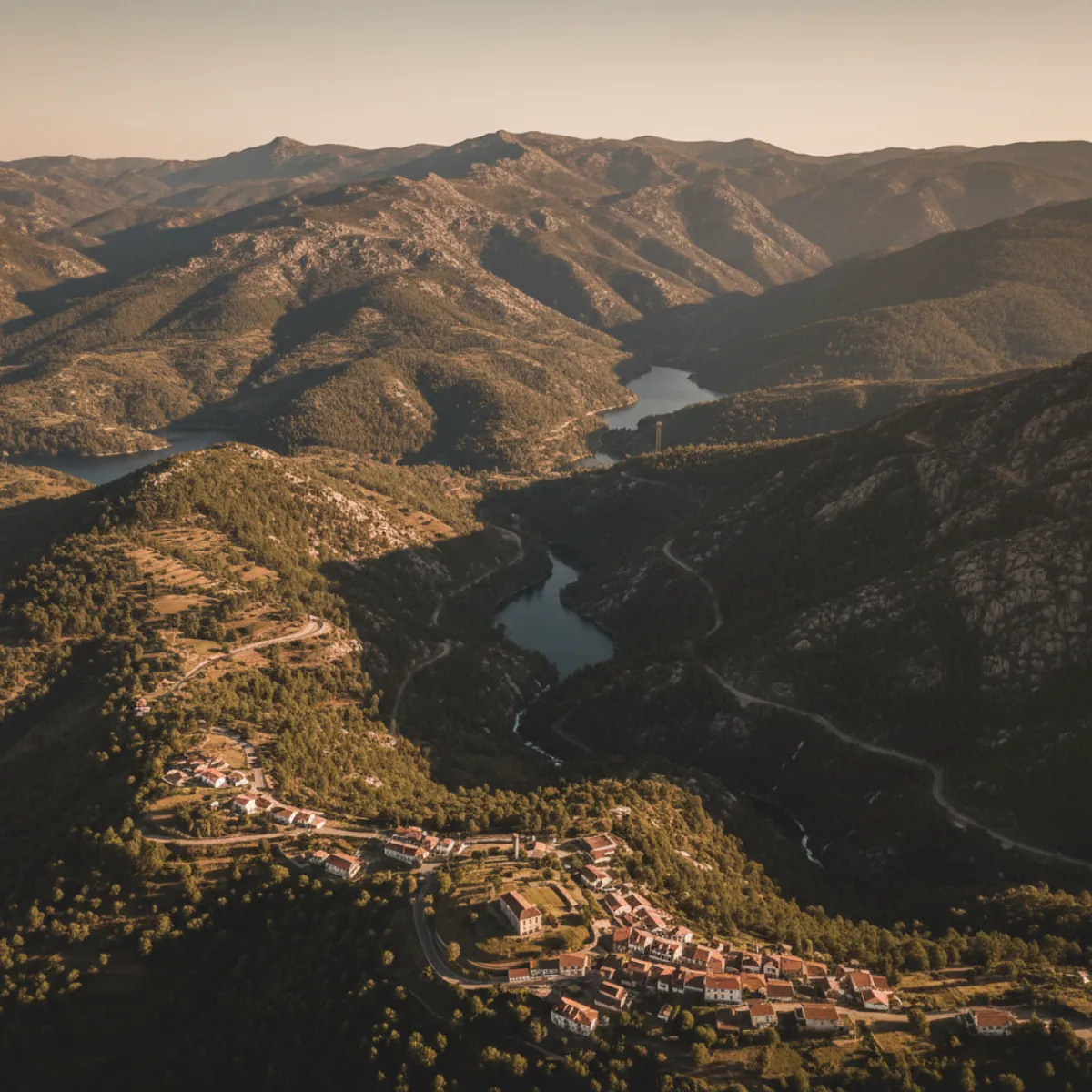
Gerês is not a town you visit, it's a town where you stay put. Caldas do Gerês, wedged into a narrow valley in the Serra do Gerês, started as a thermal spa resort in the 18th century and still operates on that logic of enforced stillness. The main road climbs through the valley past old-era hotels, café terraces and the constant smell of wet forest. There's no monumental historic centre, no must-see museum. What there is: Portugal's only national park, starting right where the village ends.
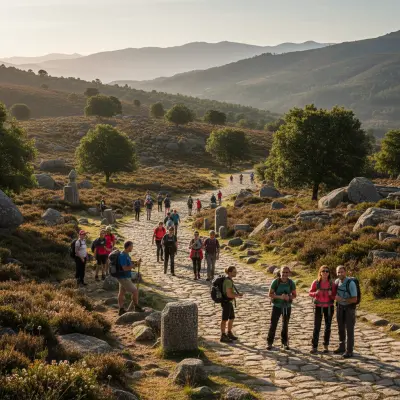
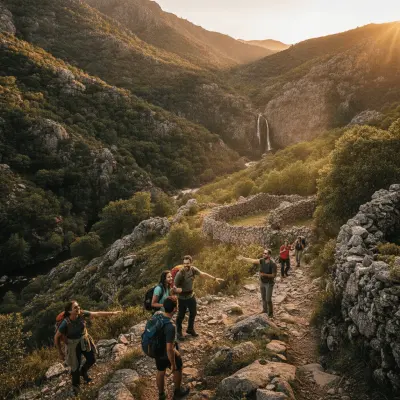
From the village, the road climbs to Mata da Albergaria, one of the last native oak forests in the country, where a Roman road with nearly two-thousand-year-old milestones leads to Portela do Homem on the Spanish border. This walk along the river is probably the best hike in Gerês for anyone who doesn't want a technical challenge, flat, shaded, with natural pools along the way.
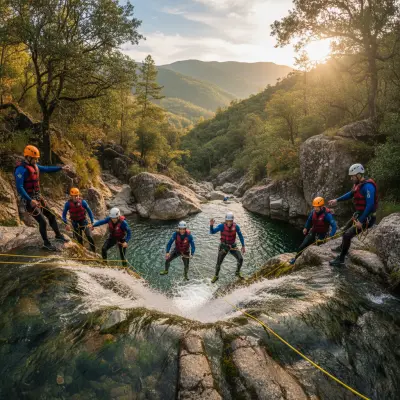
The waterfalls are the main draw. Cascata do Arado, about 8 km from the village, is the most accessible and photographed. Fecha de Barjas, which everyone calls Cascata do Tahiti, requires a steep descent but rewards you with a clear lagoon where you can swim in summer. Arrive early: on July and August weekends, access is restricted.
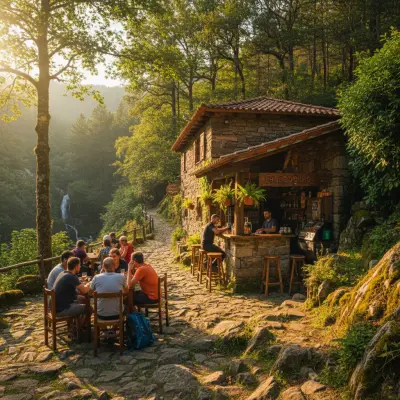
Gerês cooking is mountain food: heavy, honest and built for people who've been walking all day. Roast kid goat is the non-negotiable dish, it appears on virtually every menu. In the village, Lurdes Capela has been serving for over six decades and is known for "o pedaço", a breaded steak with cornbread crumbs, cabbage and honey. Adega Regional keeps the spirit of old Minho eating houses with portions that feed two. If you venture to Pitões das Júnias, a stone village at the park's northern edge, Casa do Preto serves barrosã beef and mountain bean stew that justify the drive.
Two days is the reasonable minimum: one for hiking, one for waterfalls and the village. May to June means green trails, full waterfalls and empty paths. July and August bring real crowds, queues for parking, restricted access roads and warmer water, yes, but little room to improvise. September is the ideal compromise. In winter, many accommodations close, but the fog-covered serra has a silence worth experiencing if you come prepared.