Viana do Castelo is the most beautiful city in northern Portugal, and this isn't a controversial claim. Any Portuguese person will tell you the same, usually with a shrug, as if it were obvious. The thing is, Viana doesn't coast on reputation. It runs on the river, the ocean, the Manueline stonework still standing in Praça da República, and the gold filigree that women here still wear on Sundays.
The centre and the River Lima
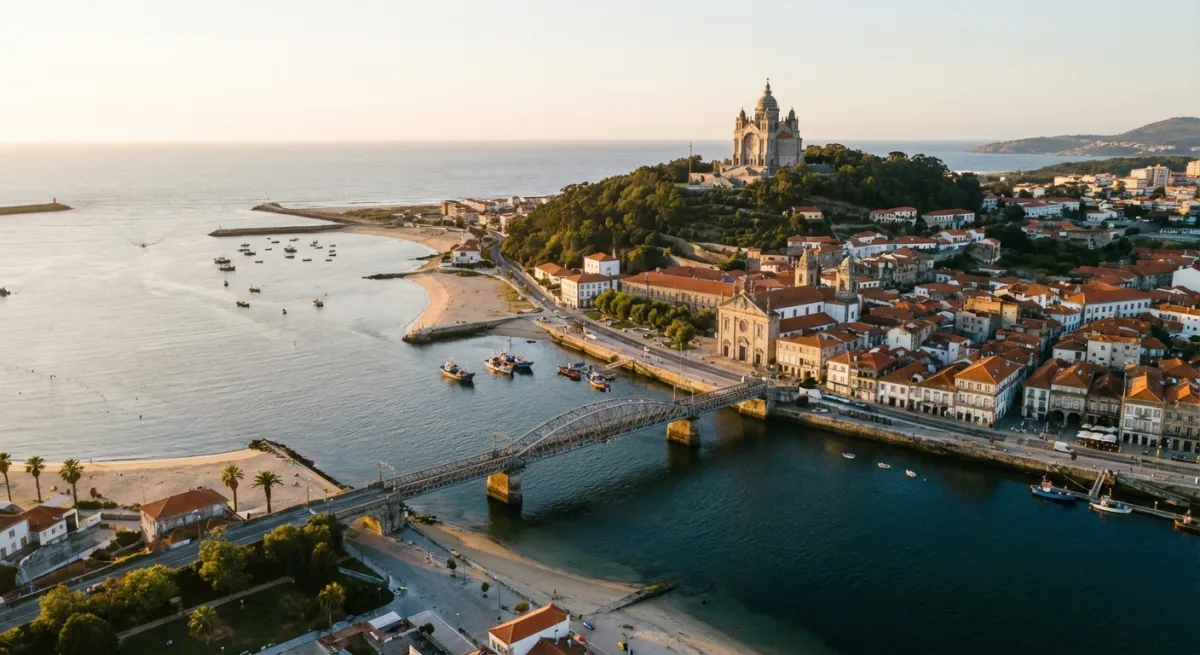
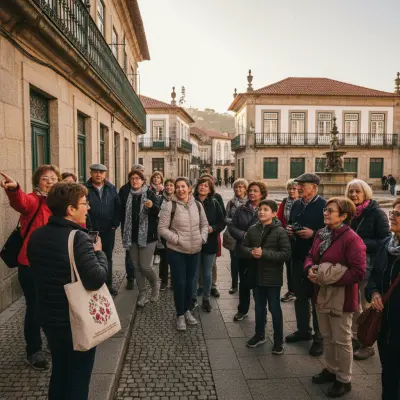
The historic centre sits between Praça da República, with its old Town Hall and the Igreja da Misericórdia, and the River Lima, which meets the Atlantic right here. Rua de São Pedro and Rua da Bandeira hold the most genuine shops, from filigree ateliers to bakeries where a bola de Berlim still costs what it should. The marina connects directly to Cabedelo beach across the river by ferry, a five-minute crossing that changes the scenery completely.
Monte de Santa Luzia
The Santuário do Sagrado Coração de Jesus, up on Monte de Santa Luzia, is the mandatory postcard shot. You can take the funicular, drive, or walk, walking takes about 40 minutes and is worth it, especially in the late afternoon. The view over the Lima estuary, with the city below and the sea beyond, is one of the finest in Portugal. Next to the sanctuary, the ruins of Citânia de Santa Luzia reveal an Iron Age hill fort over two thousand years old, far less visited than it deserves.
What to eat and when to go
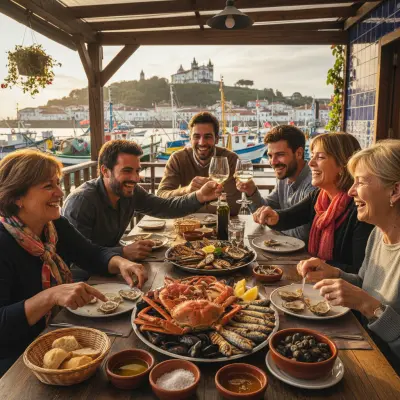
Viana is bacalhau country, bacalhau à Viana do Castelo, with smashed potatoes and plenty of olive oil, but arroz de sarrabulho and the Minho-style cozido are equally serious. For sweets, tortas de Viana and clarinhas are what you order with coffee. Restaurants along Rua dos Manjovos and by the marina serve fresh fish at prices Lisbon forgot long ago.
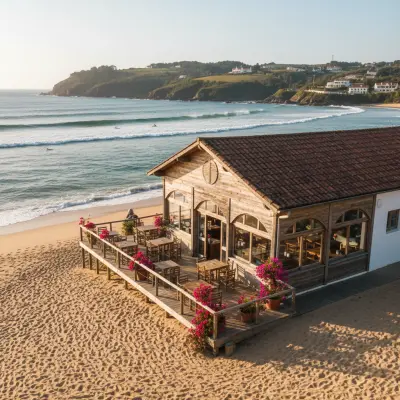
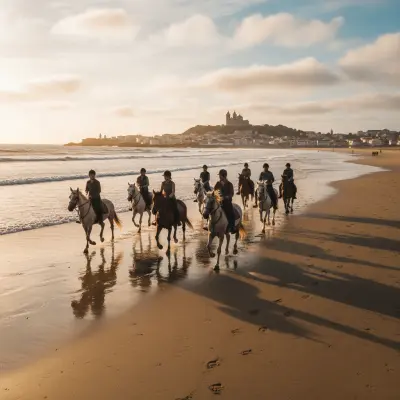
The best time to visit is May through September. In August, the Romaria da Senhora d'Agonia takes over the city: there's the mordomia parade, gigantones in the streets, flower carpets, and fireworks over the river. It's the biggest festival in Minho, and reason enough for the trip on its own. Outside the romaria, two to three days are enough to cover the city well and hit the beaches, Cabedelo for kitesurfing, Praia Norte for big waves, Afife for quiet.
Viana also works as a base for the Alto Minho region. Ponte de Lima, Caminha, and Valença are all under 40 minutes away. But don't rush to leave, the city itself delivers more than it lets on at first glance.