Visit
€
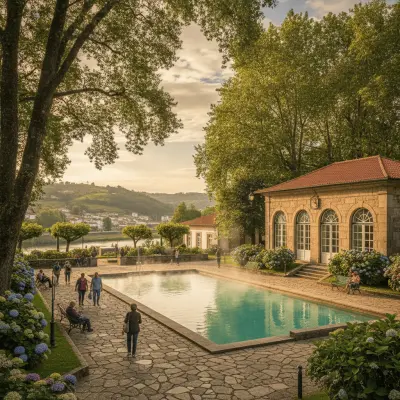
Parque das Caldas de Monção
Monção
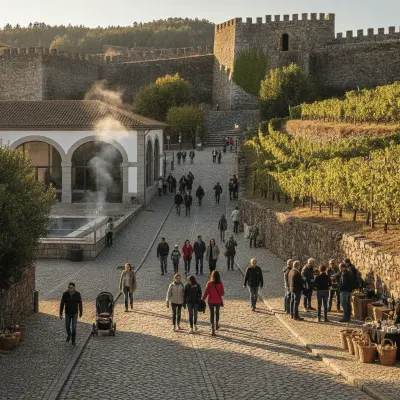
The train to Monção stopped in 1990 and the town came out ahead: the rails became a riverside path along the Minho. Thermal baths in the centre, walls facing Galicia, lamprey in season and Alvarinho always. All on foot, no parking required.
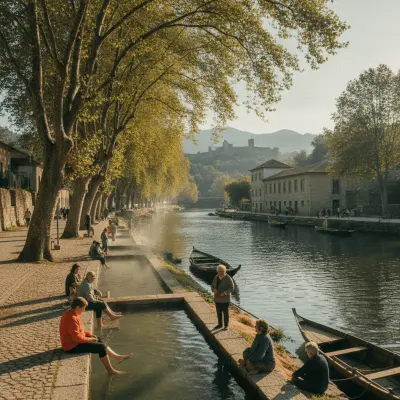
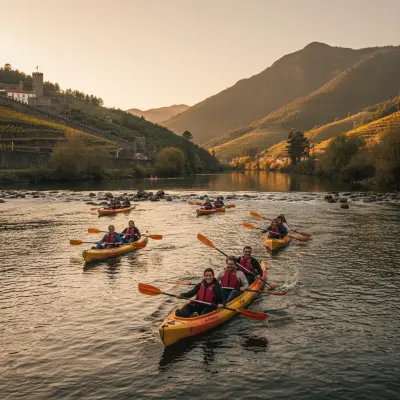
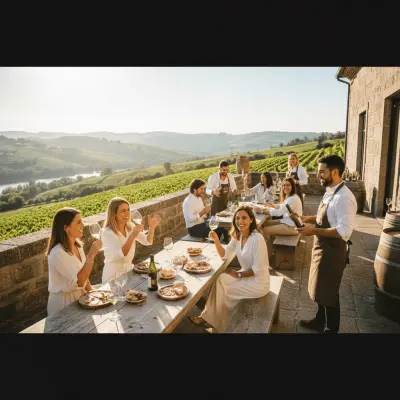
For over a century, Monção has organised itself around thermal water that surfaces at 49ºC right in the centre of town. Add the Ecovia riverside path, kayaking to Melgaço, and Alvarinho tasted at the gate of the estate, and you have the most underrated itinerary in the Minho.
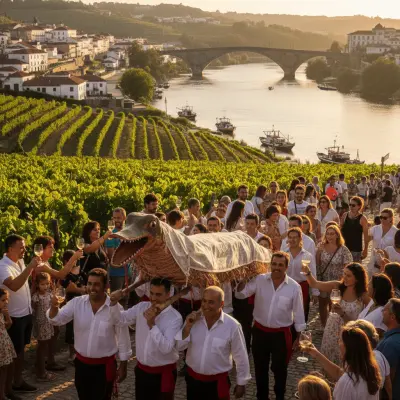
The Azores get the June headlines, but Monção has the Coca, a papier-mâché dragon that battles Saint George on Corpus Christi, Alvarinho cellars open for tastings, and the Rio Minho at the right temperature to paddle. An honest guide for those who prefer borders to oceans.
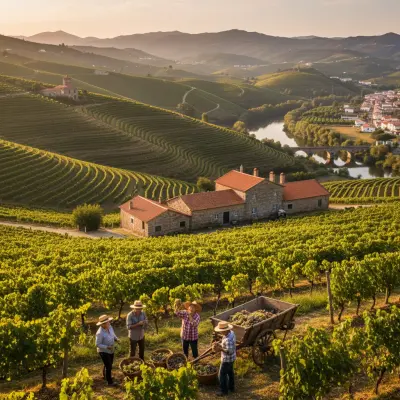
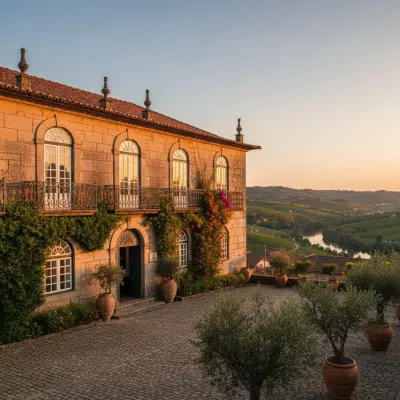
Visiting Monção and staying in the town centre is a mistake. The quintas that make Alvarinho one of the world's serious white wines sit in the surrounding parishes and across in Melgaço, where granite and the Spanish border do the heavy lifting. An opinionated, no-fluff guide to what to taste, where to sleep, and when to come.
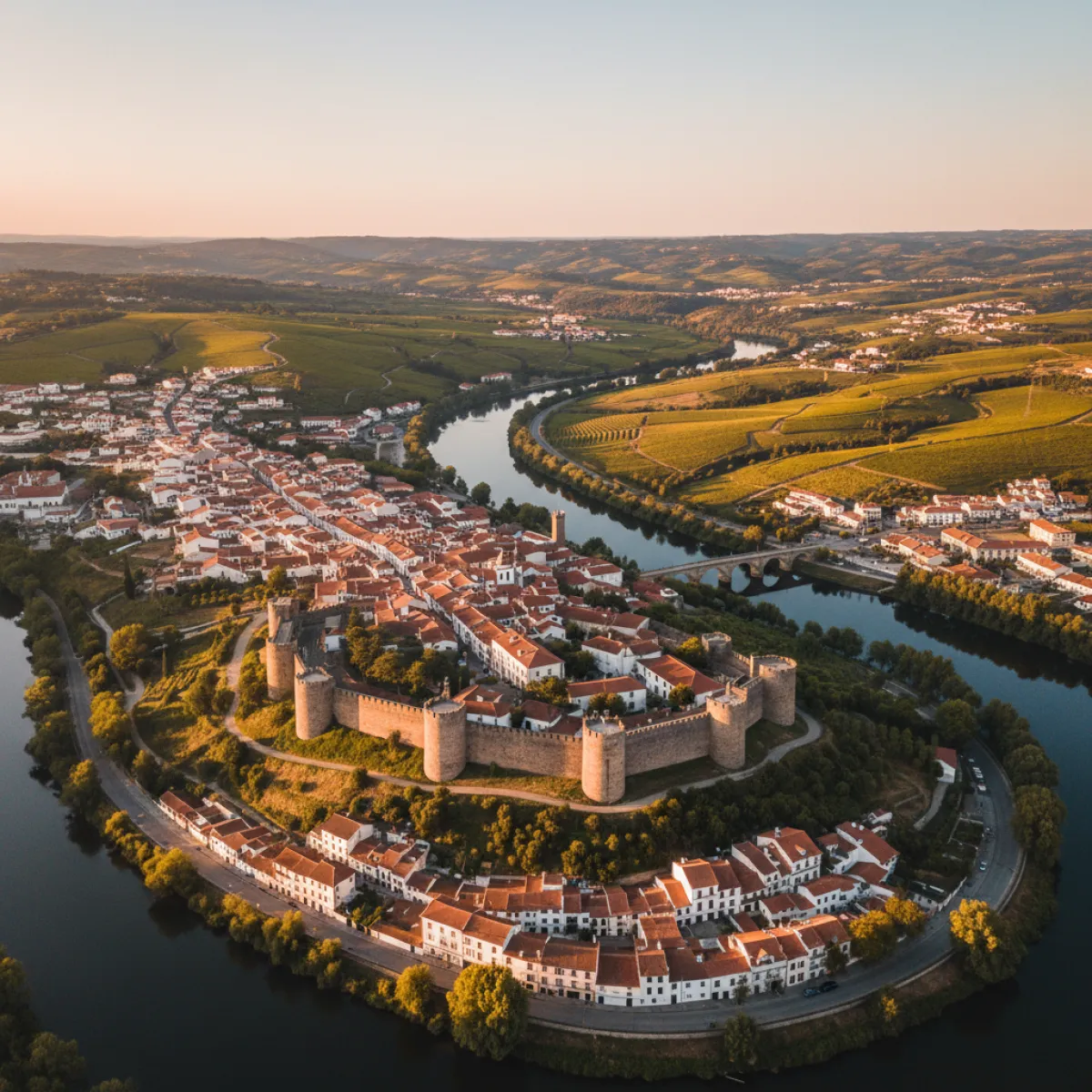
Monção sits where the Minho river widens and Spain is close enough to wave at. It's a border town that spent centuries caught between trade and siege, and now spends its days between wine and thermal water, which feels like a fair trade.
The 14th-century fortifications, built under King Dinis, still frame the old centre. This is where Deu-la-Deu Martins, during a Castilian siege, climbed the walls and threw bread at the enemy to fake abundance and force a retreat. The story may be part legend, but her statue in the square and Monção's coat of arms keep it very much alive. Walking inside the walls leads to the Romanesque-origin Igreja Matriz and Praça da República, where local life unfolds at an Alto Minho pace, which is to say, slowly and deliberately.
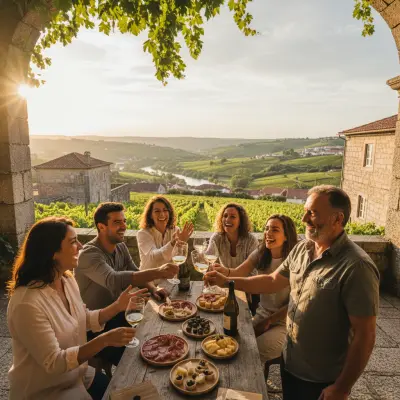
Monção and neighbouring Melgaço form the Alvarinho sub-region, home to the most celebrated grape in Vinho Verde. The Minho valley's microclimate, sheltered by surrounding hills, creates exact conditions for the variety. Palácio da Brejoeira, a few kilometres south of town, is the most iconic producer and open to visitors. The Feira do Alvarinho, held in July at Parque das Caldas by the river, is arguably the biggest wine festival in northern Portugal, and the best excuse for a summer visit.
From February to April, Monção becomes the lamprey capital of the Minho. Restaurants along the river serve arroz de lampreia, a dish of blood, wine, and river that isn't for everyone, but defines the place. Outside lamprey season, there's roast kid goat and roscas de Monção, a regional pastry recognised among Portugal's 7 Wonders of Sweets.
The Termas de Monção, inside the riverside Parque das Caldas, give you another reason to stay beyond an afternoon. And the Festa do Corpo de Deus, featuring the Coca, a dragon defeated by Saint George, is one of the most distinctive celebrations in the Minho.
Give Monção at least two days: one for the old town and the wine, another for the river and the table. Passing through means missing the point, this is a town that knows exactly what it has and doesn't rush to show you.