Eat
€€
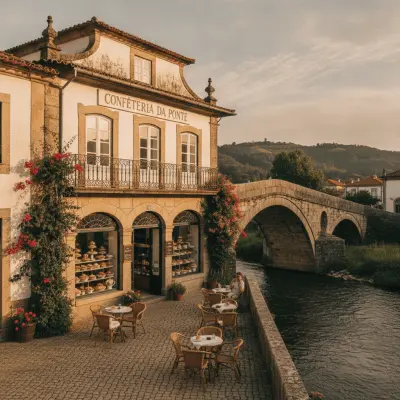
Confeitaria da Ponte
Amarante
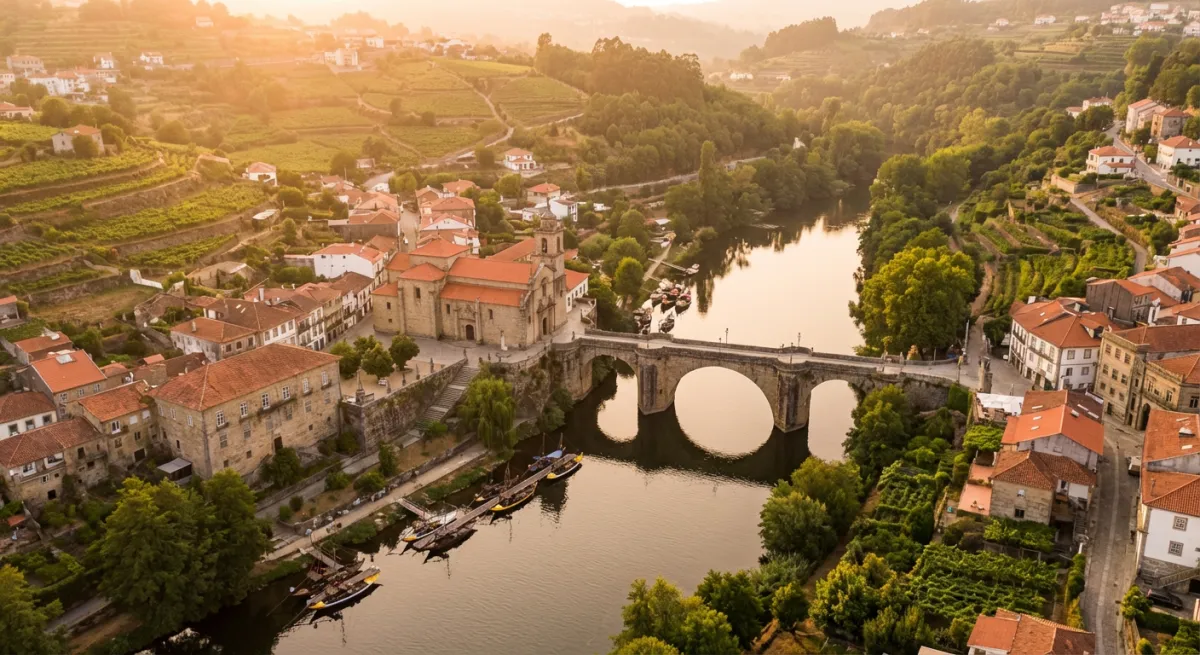
Amarante is Portugal's capital of convent pastry, with 17th-century recipes still served at Confeitaria da Ponte. Between the Amadeo de Souza-Cardoso Museum and the São Gonçalo festival in June, it's more than a stop on the way to the Douro.
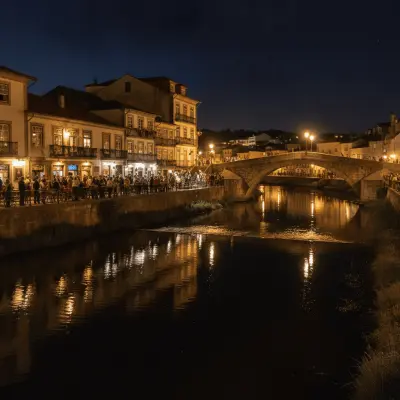
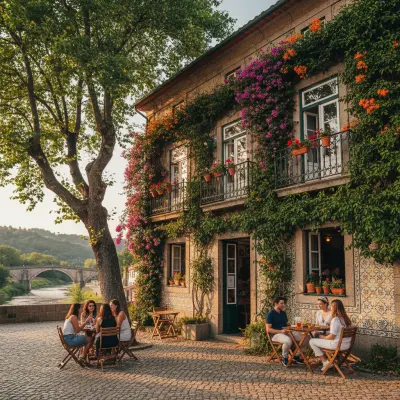
Amarante has no clubs and no headline DJs, just a lit-up bridge, riverside terraces and bars where nobody's in a rush to leave. This is the honest guide to drinking well in a town that never got the memo it was supposed to impress anyone.
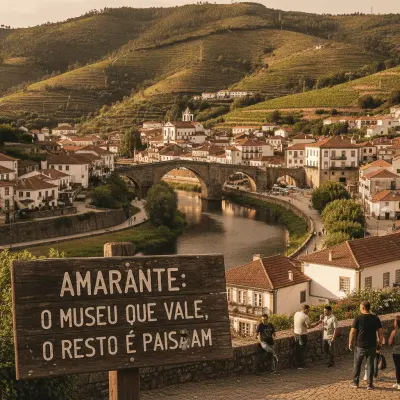
Amarante has exactly one museum worth your time, tucked inside a sixteenth-century Dominican convent by the bridge. Everything else here is better spent at a riverside table or on a bike along the water.
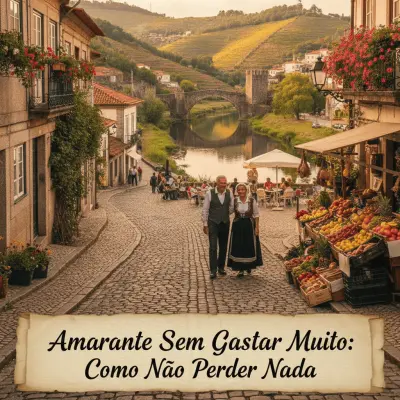
In Amarante, a coffee and a convent pastry cost less than a coffee alone in Lisbon, and the town's prettiest bridge doesn't charge admission. This guide shows how to eat well, drink without overspending, and still get out on the river for far less than you'd expect.

When the Tâmega rises and the São Gonçalo bridge empties out, Amarante swaps the river for conventual pastries, a museum most people skip, and slow drinks until the rain lets up.
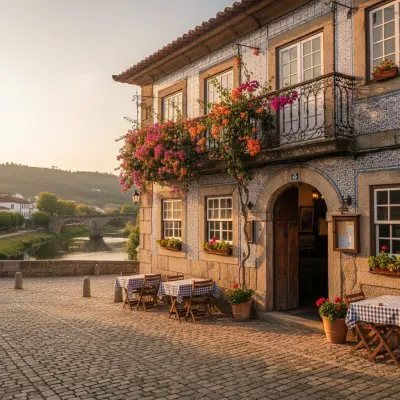
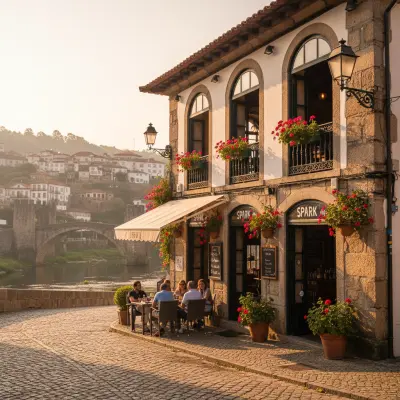
Amarante is one of those towns you measure by the rhythm of its river. The Tâmega runs slow beneath the Ponte de São Gonçalo, and with it, everything seems to downshift, the riverside terraces, the pastry shops still selling sweets from 17th-century convent recipes, the stone streets where life moves without urgency.
If there's one strong argument for coming to Amarante, it's the pastry. The doces conventuais, convent sweets based on recipes from the Convento de Santa Clara, are a tradition taken seriously here: Papos de Anjo, Foguetes wrapped in communion wafer, Lérias, Brisas do Tâmega, and the São Gonçalos themselves. These aren't tourist souvenirs; they're refined pastry made with egg, almond, and sugar syrup. Confeitaria da Ponte, open since 1930, remains the obvious place to try them all with a river view. Beyond sweets, the local food leans on roast kid goat, Barrosã veal, arroz de cabidela, and a Vinho Verde from the sub-region that rarely makes it to Lisbon shelves.
Amarante doesn't need more than a full day, but two let you breathe. The Ponte de São Gonçalo, a national monument from 1790, where locals held out against Marshal Soult's troops in 1809, is the natural starting point. Next to it, the Igreja de São Gonçalo with its Renaissance-Baroque façade. The Museu Municipal Amadeo de Souza-Cardoso, dedicated to the modernist painter born here in 1887, is a genuine surprise for anyone not expecting avant-garde art in a town of 12,000. The adjoining convent cloister hosts the Feira dos Doces Conventuais each May, one of the best food events in the Norte region.
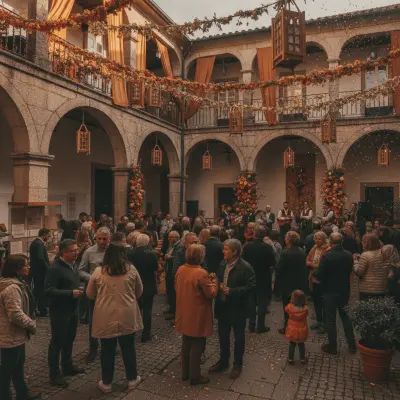
The first weekend of June brings the Festas de São Gonçalo, a pilgrimage-festival that blends the sacred and profane with an energy that's hard to find elsewhere. Outside festival season, spring and early autumn are ideal: mild temperatures, a quiet town, green vineyards across the surrounding hills. Amarante works well as a stop between Porto (one hour by car) and the Douro wine country. But treating it as just a stop is selling it short.