Amarante: Where to Shoot When the Light Is Right
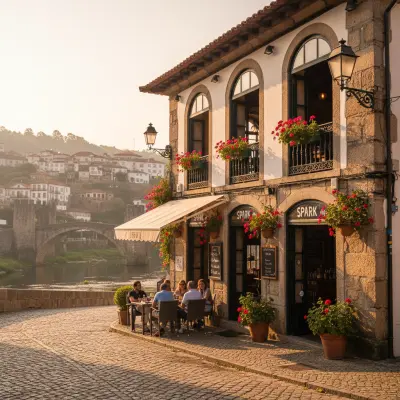
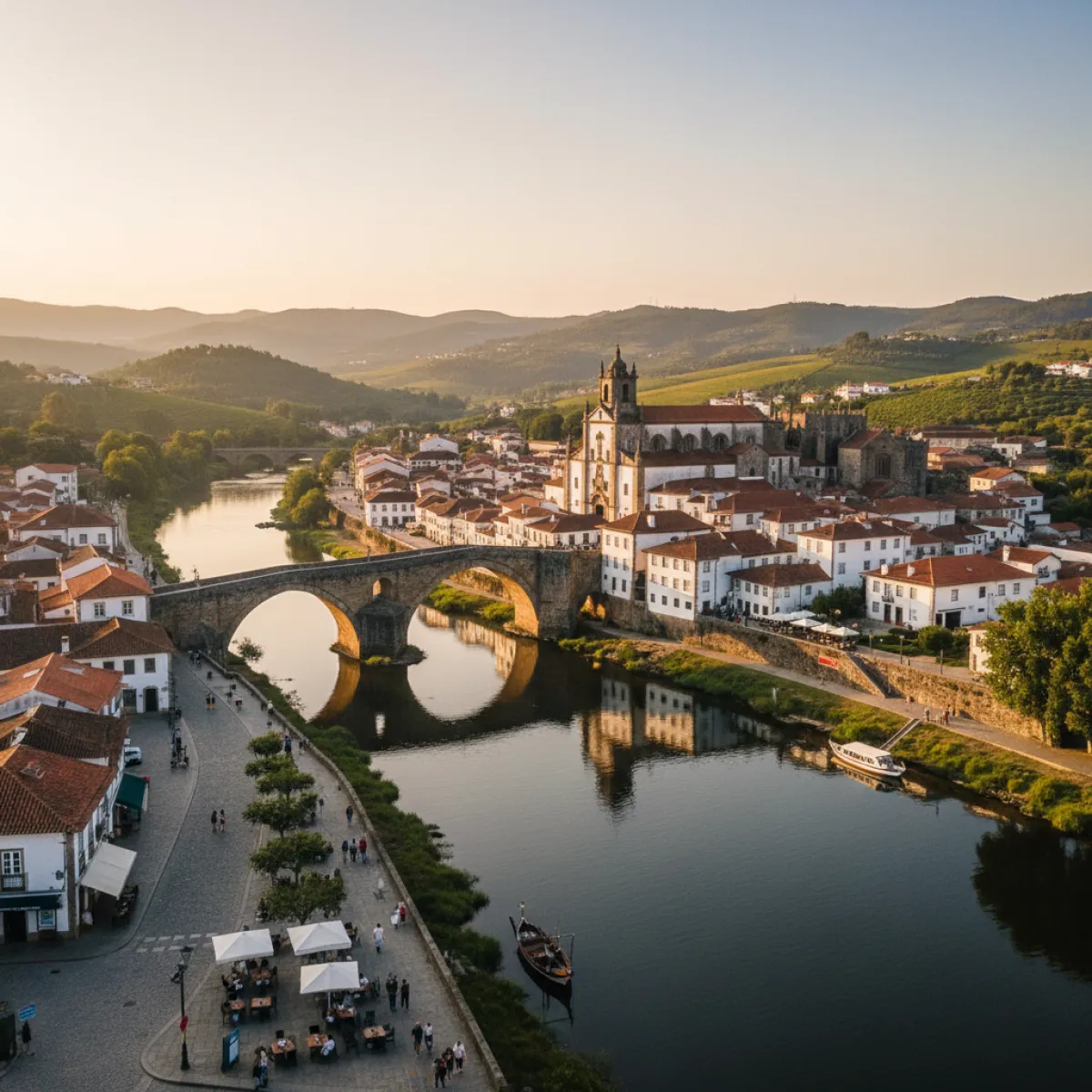
At 7:30am on a Tuesday in May, the Ponte de São Gonçalo is yours alone. The raking sun warms the granite, the Tâmega mirrors everything, and Amarante shows its best angles. A practical guide to where to stand and when to shoot in this northern Portuguese town.
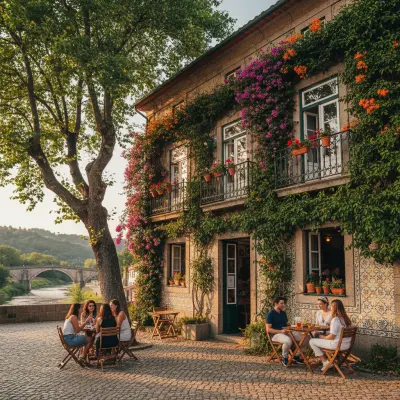
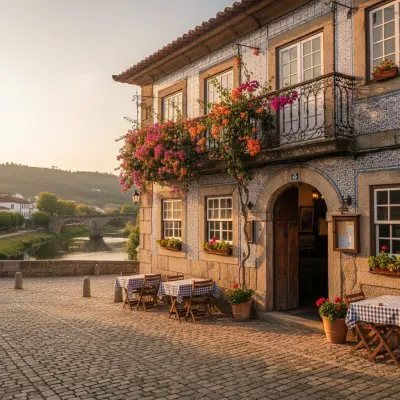
Amarante lives by its river. The Tâmega cuts through the centre, the houses lean over it with their wooden balconies, and the Ponte de São Gonçalo holds everything together like a granite spine. If you're carrying a camera (or a phone with aspirations), there are half a dozen spots where the light does remarkable things. The trick is knowing when to show up.
The classic: Ponte de São Gonçalo from the south bank
Let's get the obvious out of the way first, because the obvious exists for a reason. The most photographed view in Amarante is the Ponte de São Gonçalo with the Mosteiro de São Gonçalo rising behind it, shot from the south bank of the Tâmega. It's the postcard, the Instagram post, the guidebook cover. And it earns every pixel.
The question is when. In the early morning, between 7am and 9am from April to June, the sun rises in the east and hits the monastery facade with a golden, raking light that makes the granite look warm. The riverside houses gain colour, the wooden balconies cast long shadows, and if the river is calm, the reflection doubles everything. This is the moment. At 7:30am on a Tuesday in May, you'll be alone. At 11am on a Saturday in August, you'll be jostling with tour groups.
The exact spot: walk down to the riverside promenade on the south bank, near Largo Conselheiro António Cândido. There's a stretch between the square and the start of the Parque Florestal where the framing is perfect. About 80 metres from the bridge, you can capture the full bridge, the monastery, and the townhouses without excessive distortion.
The Parque Florestal: green, shade, and reflections
The Parque Florestal de Amarante isn't a viewpoint in the traditional sense, but it's a place where photography works in unexpected ways. The five hectares of sequoias, plane trees, and lindens create a dense canopy that filters the light. At midday, when direct light is harsh and unflattering in the old town, the park offers dappled shade and green reflections on the water.
Walk the trail that follows the river. On windless days, the water surface becomes a mirror reflecting the trees and, at one or two points, fragments of the bridge in the distance. With a telephoto lens or a decent zoom, you can compose layered shots of green and water that don't look like Portugal. They look like Bavaria.
If you prefer a more active way to find your angles, the Tâmega Ecopista cycling tour with Amarante Trilhos follows the old railway line along the river, with stretches where the landscape opens up to panoramic views you can't access on foot from the town centre.
From the bridge: looking both ways
Most people photograph the bridge. Few photograph from the bridge. Mistake.
From the middle of Ponte de São Gonçalo, the view downstream (westward) is particularly good in the late afternoon. From about 5pm in spring and summer months, the sun drops behind you and lights up the riverside facades with a sidelight that picks out every texture of granite and every colour of the houses. The river reflects the sky and the buildings create a natural symmetrical composition.
Looking the other way (upstream, eastward), the best time is morning. You'll see the Tâmega stretching inland, flanked by green, with the Serra do Marão mountains as a backdrop on clear days. Morning mist, common between October and March, adds another dimension. If you catch one of those days with low fog and sun breaking through above, you've got competition-grade photography.
Solar dos Magalhães: ruins with drama
The ruins of Solar dos Magalhães, destroyed during the Napoleonic invasions in 1809 (the same conflict that saw the heroic defence of the bridge), are one of the most photogenic spots in Amarante and among the least visited. The roofless walls, covered in vegetation, create natural frames for the sky.
The best time to shoot the Solar is late afternoon, when light enters through the empty windows and projects golden rectangles on the ground and interior walls. The combination of dark stone, vivid green ivy, and warm light is extraordinary. It works particularly well on partly cloudy days, when the light alternates between shadow and sun.
The Solar is steps from the monastery. You can combine both in the same early morning or late afternoon shooting session. Skip midday: the ruins lose all their drama under overhead light.
Inside the Monastery: azulejos and cloister
The interior of the Mosteiro de São Gonçalo deserves a detour from landscape photography. The Renaissance cloister, with its arches and columns, is an exercise in geometry and light. Mid-morning, the sun enters from one side and creates a pattern of light and shadow across the arches that's almost abstract.
The azulejo panels inside the church are another subject entirely. If you have the patience for a tripod and low light, the blue-and-white tiles gain remarkable depth with longer exposures. Entry is free, which is unusual for a monument of this calibre.
The forgotten viewpoint: the Igreja de São Pedro churchyard
Above the old town, the Igreja de São Pedro offers an elevated perspective over the houses, the river, and the bridge that few visitors bother with. The climb is short but steep. The churchyard has an unobstructed view that lets you frame the entire riverside front of Amarante in a single image.
It's an excellent spot for sunset photography. The warm light hits the facades head-on, and the river takes on shades of orange and gold. Bring a wide-angle lens or step back far enough to capture the full scene.
When to go (and when not to)
For photography, April to June is the sweet spot. Days are long, morning light arrives early, and the vegetation is at peak green without the suffocating heat of July and August. September works well too: the light turns more golden and the tourist numbers drop.
Avoid long weekends and public holidays if you want to shoot without crowds. Amarante is a popular day trip from Porto (the drive takes about an hour), and the riverside fills up on weekends. Tuesday and Wednesday mornings are the quietest.
If you're planning to combine Amarante with other northern cities, consider adding Braga to the itinerary. Our guide to Braga covers another city where light and architecture conspire in the photographer's favour.
After the shoot
Photography works up an appetite, and Amarante handles that. Pobre Tolo is a solid option for lunch, with an approach to regional cooking that delivers. The local sweets are not to be missed: foguetes and lérias de Amarante are conventual pastries you'll find in several patisseries around the centre.
If you stay until late afternoon to catch the last light, the bars along the river are the right place to close out the day. Torre Jardim Bar has a prime location. And for those who'd rather see the town from the water than photograph it from the bank, the traditional boat experience on the Tâmega gives you angles that simply aren't available from land.
Gear and practical tips
- Tripod: essential for the monastery interior and early morning river reflections
- Wide-angle lens (or phone equivalent): for the bridge and riverside townscape
- Telephoto or zoom: to compress the landscape layers from the forest park
- Polarising filter: cuts unwanted reflections on the water and saturates the park's greens
- Comfortable shoes: the old town has uneven cobblestones and steep climbs
Amarante doesn't need Instagram filters. It needs patience and an alarm clock. Arrive before the rest of the world, wait for the right light, and the town does the work for you.