Eat
€
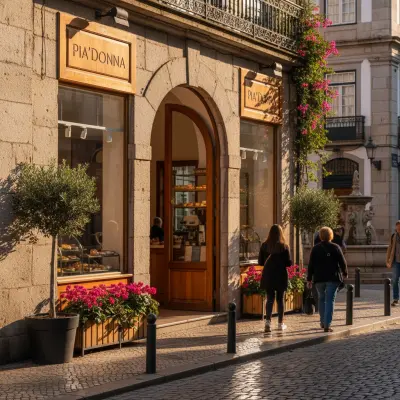
Pia'Donna
Braga
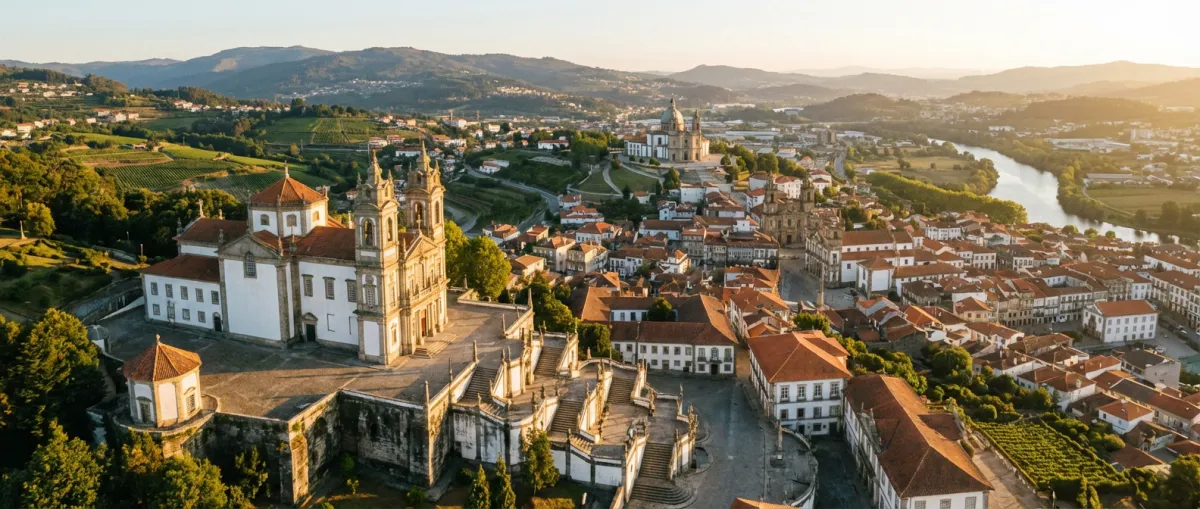
Equal parts religious capital and university town, Braga pairs baroque churches and heavy Minho cuisine with a nightlife scene that defies its conservative reputation. Two to three days cover the essentials, including viewpoints that most tourist itineraries skip.
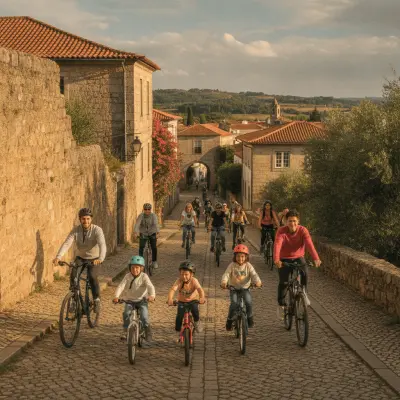
Braga sits in a bowl ringed by hills: the flat Cávado for beginners and ramps up to Bom Jesus and Sameiro that make grown cyclists cry. A bike route with stops for burgers, street food and pizza along the way.
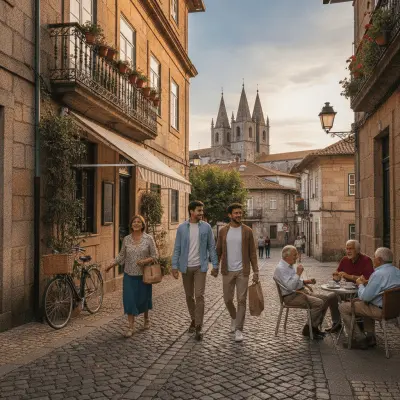
From the cathedral at dawn to vinho verde at the Picoto viewpoint, by way of a frigideira at a shop trading since 1796 and a pudim Abade de Priscos you will not forget. A day in Braga at a local's pace, no rushing.
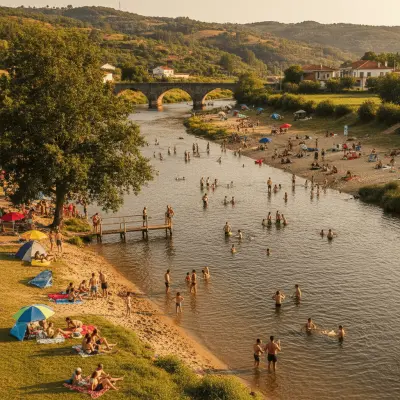
Braga has no beach, yet every local has their spot. The trick is choosing between the River Cávado at Adaúfe and the Atlantic at Apúlia, and above all knowing what time to arrive. An honest guide to dodging the crowds.
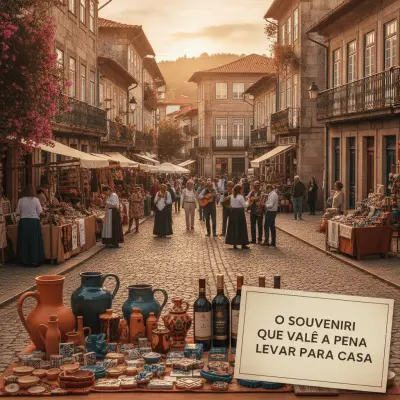
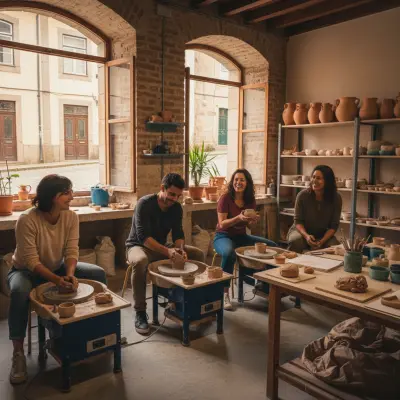
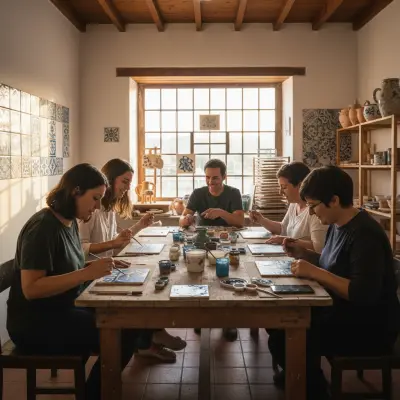
Almost everything in the gift shops by the cathedral was made thousands of kilometres away. In Braga, the best souvenir might not be something you buy at all: it is the bowl you throw at Ateliê Cobalto and the bottle of vinho verde from a small producer.
Braga has a complicated relationship with time. It's the oldest city in Portugal, home to the country's most powerful archdiocese, and simultaneously a university town where bars on Rua Dom Paio Mendes fill up every night of the week. This tension between the sacred and the profane is what makes Braga unlike anywhere else in Portugal.
The historic centre radiates from the Sé Cathedral, one of the oldest on the Iberian Peninsula, first built in the 11th century. Around it, narrow streets like Rua do Souto and Rua dos Capelistas are packed with traditional shops, decades-old cafés, and baroque churches that appear on practically every corner. Braga has more churches per square metre than any other Portuguese city, and it makes sure you know it, especially during Holy Week, when processions turn the centre into a religious spectacle that draws thousands.
But reducing Braga to religion is a mistake. The University of Minho brought a young energy that you can feel in the restaurants, the markets, and the nightlife. The recently renovated Municipal Market is a good starting point for understanding Minho cuisine: bacalhau à Braga, papas de sarrabulho, rojões with bean rice. These are heavy, honest dishes built for rainy days, and it rains often in Braga.
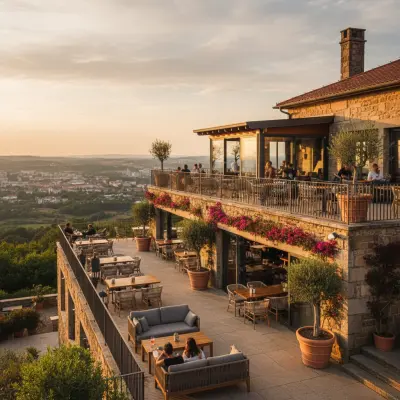
Bom Jesus do Monte, with its baroque stairway, is Braga's postcard image and worth the visit, preferably climbing the 577 steps on foot rather than taking the funicular. But the Sanctuary of Sameiro, a few kilometres further, offers equally impressive views with a fraction of the visitors. Monte do Picoto, even closer to the centre, is another viewpoint most tourists overlook.
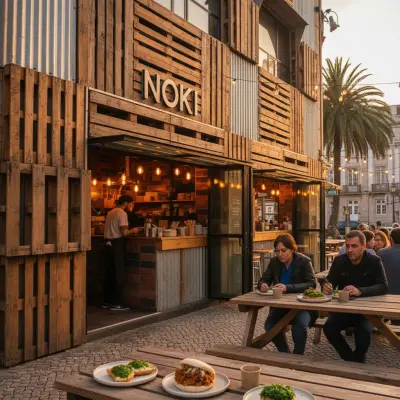
For eating, Braga's food scene goes well beyond the traditional. Alongside the old-school tascas, artisanal burger joints and street food spots have appeared, blending Minho cooking with outside influences. It's worth exploring both the petisco houses in the centre and the newer spaces reshaping the city's dining offer.
Two days are enough to cover the essentials, but three let you add Guimarães (half an hour by train) and build a Minho itinerary that makes sense. The best time to visit is May through October, avoiding the persistent winter rain, unless you're coming for Holy Week, in which case March or April are mandatory. Braga works well as a base for exploring northern Portugal, with easy connections to Porto, Guimarães, and the Gerês national park.