24 Hours in Braga: A Local-Paced Day, Done Right
From the cathedral at dawn to vinho verde at the Picoto viewpoint, by way of a frigideira at a shop trading since 1796 and a pudim Abade de Priscos you will not forget. A day in Braga at a local's pace, no rushing.
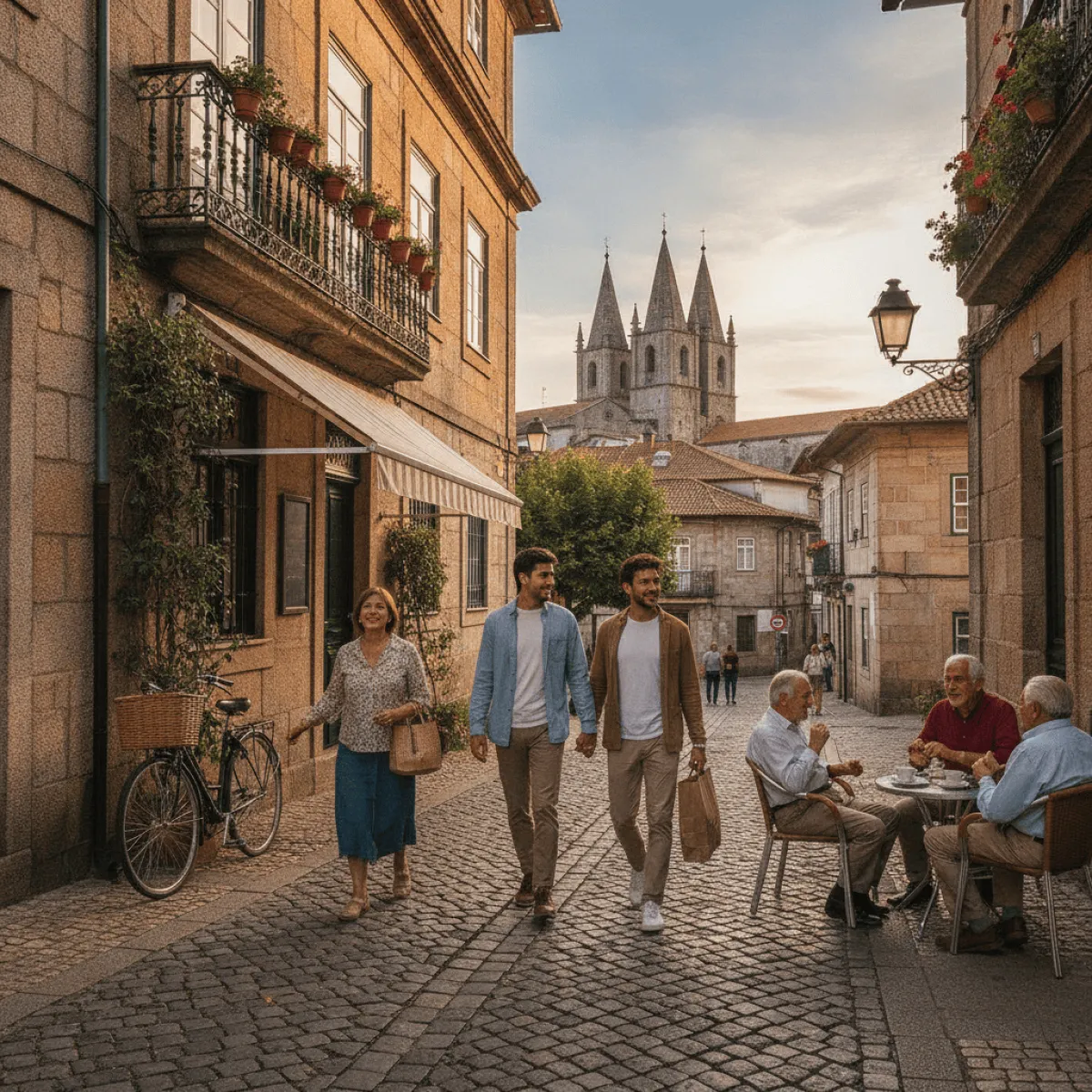
There is one rule nobody tells you about Braga: the city is in no hurry, and neither should you be. People who arrive with a monument checklist and try to tick everything off before lunch leave convinced that Braga is a half-hour stop between Porto and Guimaraes. They are wrong. Braga rewards the ones who slow down, who sit at a cafe under the Arcada with nowhere to be, who walk into a pastry shop just because it smells right. This is a 24-hour itinerary built for exactly that: see the essentials, yes, but at the pace of someone who lives here rather than someone with a coach leaving at three.
If you are still deciding whether Braga deserves the detour, let me settle it: it does. And if you are coming from Porto, it is half an hour by train up the Minho line, which makes it one of the best day trips from Porto you can do. But give it the full 24 hours. Braga at night is half the story.
Morning: granite, coffee, and the city before it wakes
Start early. Not out of masochism, but because the historic centre at eight in the morning is a different city. Before the cafe terraces fill up, before the groups with colour-coded umbrellas arrive, Rua do Souto and Praca da Republica belong to locals heading to work and shopkeepers hosing down the pavements. It is the right moment to step into the Se de Braga, the oldest cathedral in Portugal, and have the cloister almost to yourself. Entry to the cathedral is free; the treasury-museum and the chapels are ticketed separately and worth it if you have a weakness for gilded woodwork and reliquaries.
Breakfast is taken standing up or perched on worn marble. Frigideiras do Cantinho, on Praca do Conde de Agrolongo, has been serving the frigideira that gives it its name since 1796: a puff-pastry parcel filled with meat, eaten by hand, ideally with a strong espresso. It is the kind of place that survives every trend because it never chased one. If you prefer the classic ritual, take a table on the terrace of Cafe Vianna, under the arches of the Arcada, and watch the square slowly come to life.
To understand where you are standing, it helps to have done the reading. Our guide to Braga explains better than I can why this city, one of the oldest on the Iberian Peninsula, manages to be both baroque and unapologetically young, with one of the country's largest universities spilling students through the streets.
Mid-morning: hands in the clay
Here is my first strong opinion of the day: do not reduce Braga to a list of churches. The city has five centuries of craft tradition and the best way to feel it is to get your hands dirty. At Atelie Cobalto you can book a pottery class and spend the morning at the wheel, or, if your instinct is more painterly, choose to paint your own tiles. This is not just a pretty thing for Instagram: it is the most genuinely Braga thing you can do, in a country built on tile and clay, and you walk out with a piece that beats any fridge magnet as a souvenir. Book ahead, because the classes are kept deliberately small.
If you land here during Holy Week, change the whole plan. Braga lives Easter with an intensity few European cities can match: serious processions, streets carpeted with flowers, the entire city outdoors. Read our Holy Week in Braga 2026 guide before you fix dates, because hotels fill and prices climb.
Lunch: a proper burger or colourful comfort food
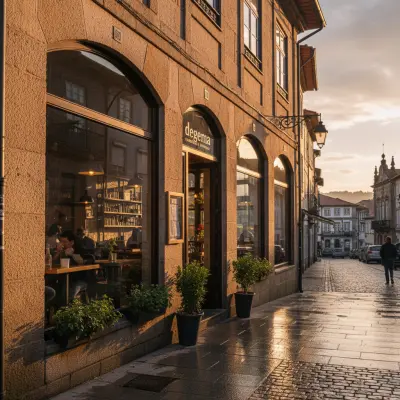
At noon, Braga eats. And it eats well, with a new wave of restaurants pushing back against the traditional houses. If you are craving meat and not in the mood to pretend otherwise, go to DeGema Hamburgueria Artesanal. This is the burger taken seriously, bread and beef treated with respect, the kind of place that makes you wonder why you put up with so many mediocre burgers in your life. Order it the way the house makes it before you start customising; the kitchen knows better than you do.
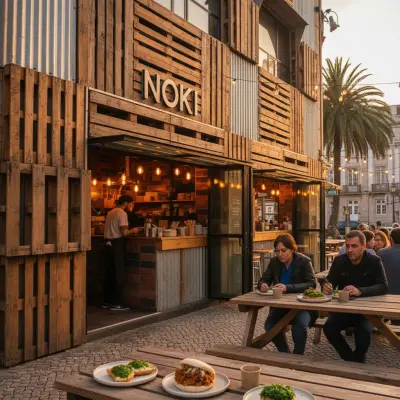
For something lighter and full of colour, NOKI street food fusion does exactly what the name promises: street food with crossed influences, ideal when the morning ran long and you want something quick without defaulting to the standard steak and egg. It is the kind of casual lunch that suits a day without a rigid schedule.
And then there is the pudding. Braga is the spiritual home of pudim Abade de Priscos, that dark-caramel, dense pudding made, in the original recipe, with a little pork fat, invented by a 19th-century priest who happened to be a culinary genius. Do not leave the city without a slice. Ask at whichever pastry shop you are in; in Braga, everyone has an opinion on who makes the best one.
Afternoon: climb Bom Jesus and earn the view
The afternoon belongs to Bom Jesus do Monte, and before you roll your eyes at the postcard cliche, let me make the case: it is a UNESCO World Heritage Site and it earns the title. The zigzagging baroque staircase, with its fountains and statues arranged as a choreography of ascent, is one of the great achievements of Portuguese baroque. But the trick few tourists know is the funicular: the Bom Jesus water-powered lift, running since 1882, is the oldest of its kind still operating anywhere in the world. Climb the staircase on foot if your legs and lungs allow, but ride the funicular down at least once, purely for the engineering.
Getting there is easy: the city bus leaves central Braga and takes a little over fifteen minutes. Check the timetable locally, as it shifts with the season. At the top, the terrace in front of the basilica gives you the first big view of the day, Braga laid out below and, on clear days, a distant glint of the sea.
Late afternoon: the viewpoint locals keep for themselves
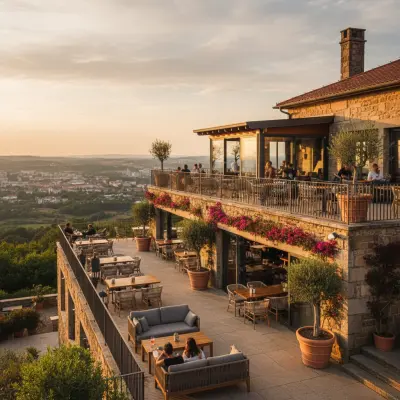
If there is one moment where this itinerary truly slows down, this is it. Skip the crowded sunset spots. Head up to the Miradouro do Monte do Picoto, the highest point in the city, and watch the whole of Braga settle below you as the light softens. This is where locals come to run, to flirt, to watch the city switch its lights on one by one. Bring a bottle of vinho verde, the region's own, cold and faintly fizzy, and stay until the granite of the cathedral towers turns honey-coloured. It is a few minutes by car or taxi; on foot it is a serious climb, but it pays out in silence.
Evening: dinner Italian-style and the student city
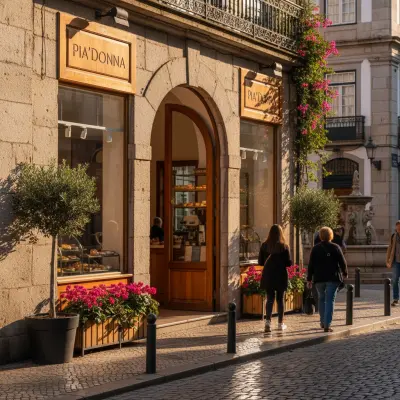
Braga is a university town, and you feel it when night falls and the central streets fill again, this time with a younger crowd, terraces open late, conversation loud. For dinner, my suggestion runs against the instinct to eat traditional at all costs: go to Pia'Donna and have a pizza or a plate of pasta made with real care. Some nights the best thing a food city can offer is precisely a well-executed dish that asks for no ceremony, and Pia'Donna delivers exactly that, no pretence.
After dinner, linger. Walk back to Praca da Republica, that lit-up Arcada, and order a coffee or a glass at one of the historic terraces. Cafe Vianna and Braga's A Brasileira have been here for more than a century and never stopped being genuine meeting points rather than photo backdrops. This is where the city is most honest: students arguing about everything and nothing, couples who have been coming for decades, the cathedral bell marking the hours in the background. There is no better night programme than simply being here.
The essentials, in a few lines
- Getting there: direct train from Porto on the Minho line, roughly 30 to 50 minutes depending on the service. By car, the A3.
- Where to slow down: the Arcada terraces in the morning, Miradouro do Monte do Picoto in the late afternoon.
- What to taste: a frigideira at Frigideiras do Cantinho, pudim Abade de Priscos, regional vinho verde.
- What to book ahead: the classes at Atelie Cobalto and, if you come at Easter, your accommodation.
- Local trick: climb Bom Jesus on foot, ride the funicular down. And visit the cathedral early, before nine.
Are 24 hours enough to know Braga? Honestly, no. But they are enough to understand why so many who pass through end up planning their return. The city does not impress you by force. It wins you over slowly, with a coffee here, a view there, a slice of pudding far better than you expected. Do as the locals do: do not rush. Braga is going nowhere, and that is precisely the best thing about it.