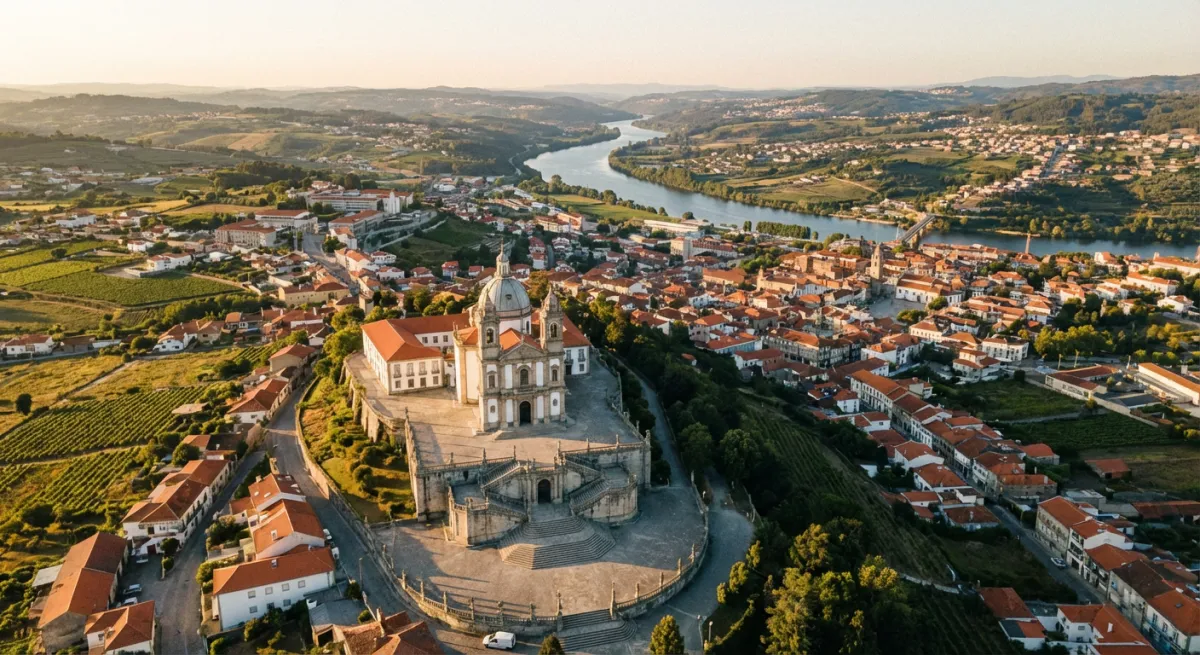
Penafiel is less than an hour from Porto, but most travellers drive straight past it. That's a mistake. This granite city, set between the Tâmega and Douro valleys, has one of the densest concentrations of Romanesque heritage in northern Portugal, and a food scene that justifies the trip on its own.
What makes Penafiel different
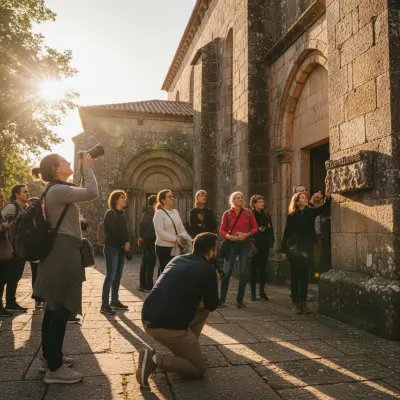
Start with Castro de Monte Mozinho, perched on a hilltop with sweeping views over the valley. It's one of the largest excavated Iron Age hill forts on the Iberian Peninsula, and walking through it in the late afternoon, almost always without another soul around, is an experience no museum can replicate. Then head to the Monastery of Paço de Sousa, where you'll find the tomb of Egas Moniz, tutor to Portugal's first king, Afonso Henriques. The church is austere and heavy, exactly as northern Romanesque should be.
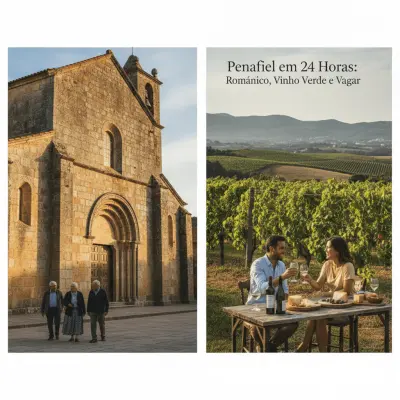
If you collect small churches, São Gens de Boelhe is said to be the smallest Romanesque church in Portugal. It sits on a hill overlooking the Tâmega River and doesn't need more than fifteen minutes of your time, but the detour is worth it.
The table as the main argument
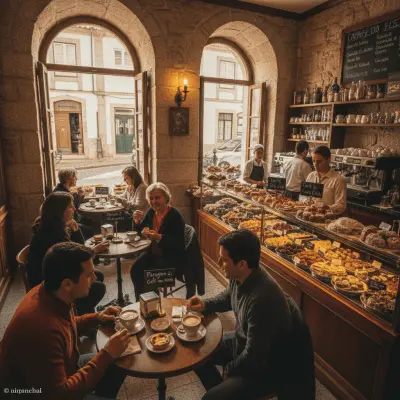
Penafiel eats well and eats generously. Roasted veal, served on a wooden board and carved at the table with oven rice and roast potatoes, is the signature dish. Roasted kid goat with oven rice comes a close second. If you visit between January and March, lamprey cooked Bordeaux-style appears on menus along the Tâmega. For dessert, look for sarrabulho doce, a preparation with pork blood, honey, cinnamon, and Port wine that's more delicate than it sounds, and the region's moist pão-de-ló sponge cake.
When to go and how long to stay
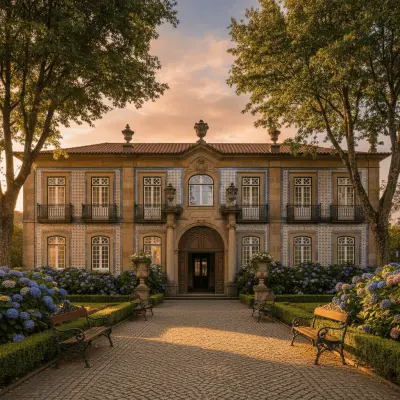
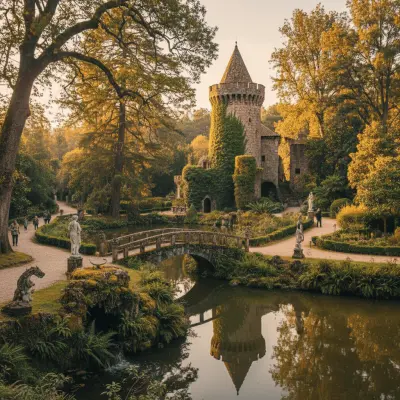
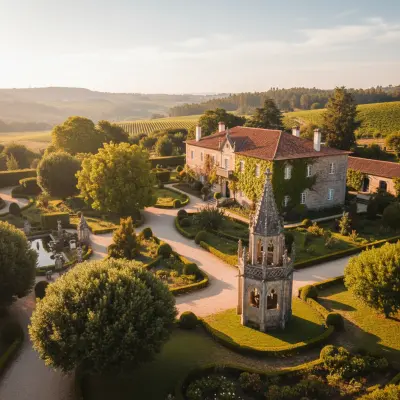
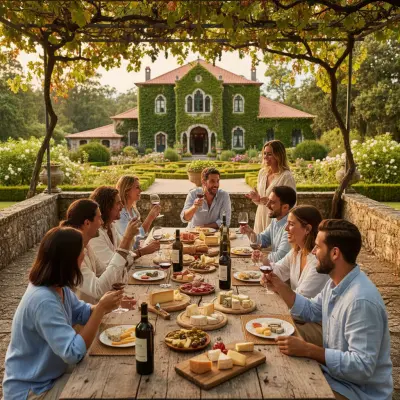
Two days is enough to cover the essentials. The São Martinho Fair, running from November 10 to 20, is the biggest event of the year: roasted chestnuts, new wine, and genuine popular festival energy that draws thousands. In spring, the Endoenças de Quinta-Feira Santa in nearby Entre-os-Rios, where thousands of candles light up the town, is a rare visual spectacle. Penafiel is also the gateway to Quinta da Aveleda, which you may know from the wine but which deserves a visit for its gardens and architecture alone.
Park in the centre, walk along Rua Direita, and let the granite and the food do the rest.