Visit
€
Miradouro da Vila Velha
Vila Real
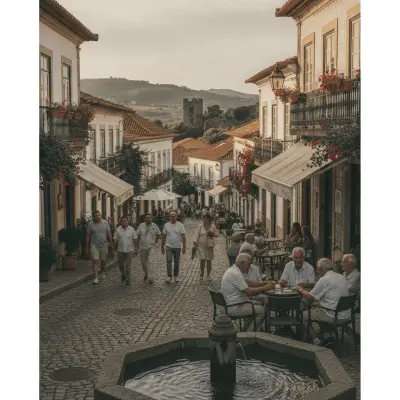
Everyone heads to the Algarve in August and spends half the holiday hunting for shade. From Vila Real, the escape is twenty minutes away: cold rivers, free parking, and nobody fighting you for a spot.
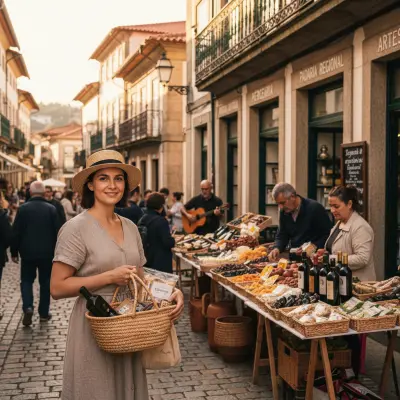
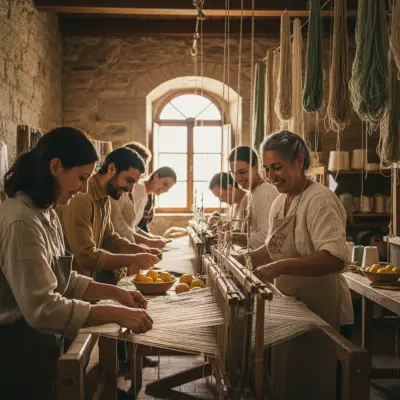
Bisalhães black pottery costs €10 to €30 and is made using Iron Age techniques. Limões linen gets better with every wash. Transmontano cured meats survive the journey home. Vila Real has real souvenirs, if you know where to look.
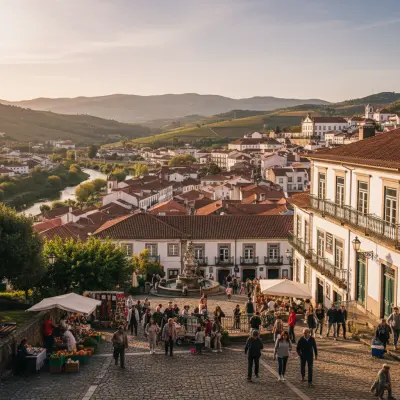
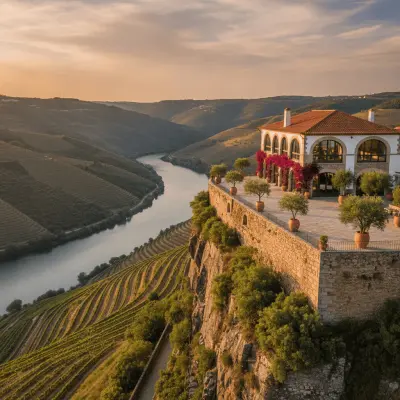
Historic centre overlooking the Corgo gorge or countryside quintas near Mateus? Each part of Vila Real offers a different experience. Here's how to pick the right neighborhood for your travel style, with prices and practical tips.
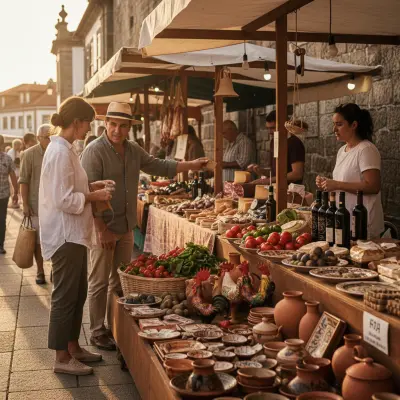
Cristas de galo from a nearly century-old pastry shop, oak-smoked salpicão, chestnut honey: a morning route through Vila Real's markets, with honest opinions on what's worth buying and what to skip.
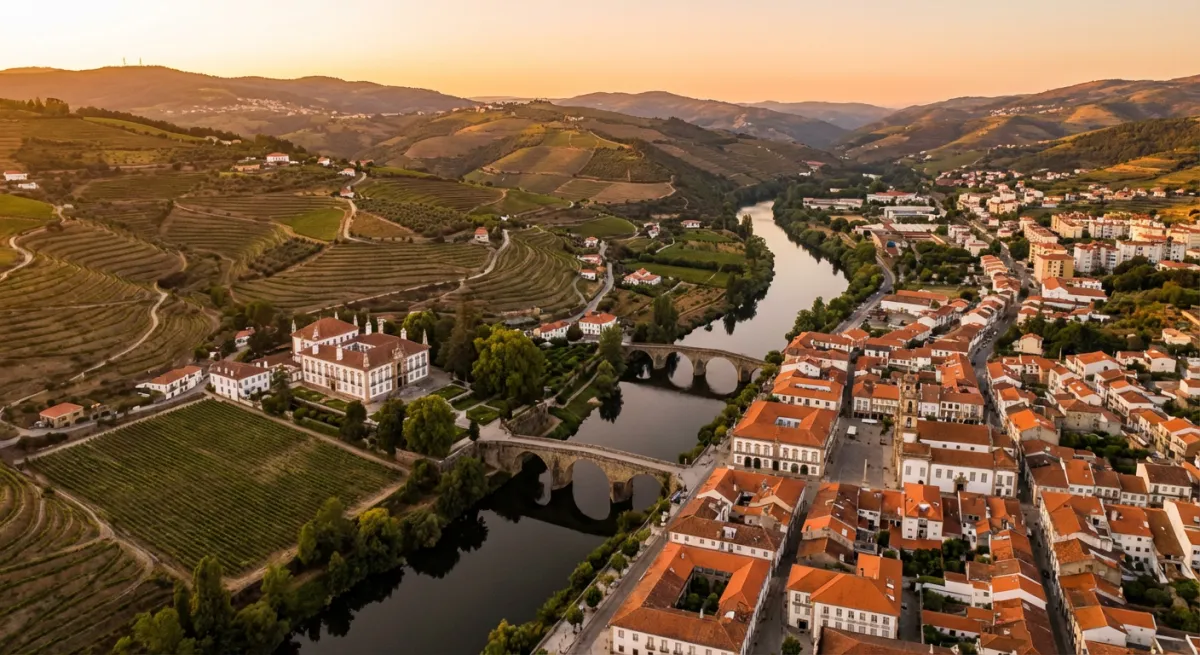
Vila Real is a university town perched above the gorge of the River Corgo, at the point where it meets the Cabril before dropping down to the Douro. Most visitors drive past on their way to the Douro wine region, which is precisely why it's worth stopping. The city has a walkable scale, honest prices, and a Transmontana kitchen that hasn't been softened for tourists.
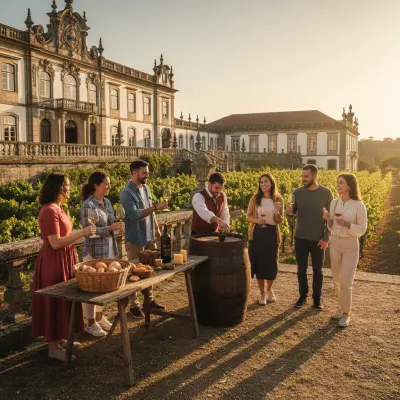
A few kilometres from the centre, the Mateus Palace needs little introduction, Nicolau Nasoni's Baroque facade has appeared on the Mateus Rosé label for decades. But the interior and gardens, including a striking 35-metre cedar tunnel, are worth the visit on their own terms. In town, the Gothic Cathedral and the Igreja de São Pedro, with its azulejo tile panels, give you historical grounding without requiring a guidebook.
Corgo Park, with its wooden walkways running along the river, is where locals actually spend their time, morning runs, late-afternoon strolls, Sunday coffee. If you have a spare day, the Alvão Natural Park is 20 minutes away and the Fisgas de Ermelo waterfalls rank among the most dramatic in Portugal.
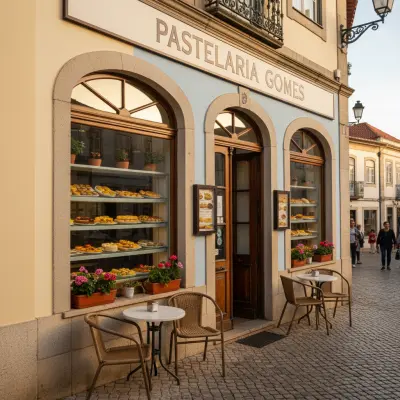
The cooking here revolves around pork, kid goat, and olive oil. Expect to find alheiras, salpicão, posta à barrosã, and feijoada transmontana at restaurants around the centre. Pastelaria Gomes, open since 1925 on Largo do Pelourinho, is an essential stop: the covilhetes (meat-filled pastries specific to Vila Real) and pastéis de toucinho do céu are handmade daily using recipes that are nearly a century old. On Sunday mornings, expect a queue.
May and October hit the sweet spot, comfortable temperatures, quiet streets. Winter gets properly cold (this is Trás-os-Montes, after all), and summer heat calls for early mornings and afternoons by the river. One full day covers the essentials, but two days let you add Alvão or a drive down to the Douro along the N2. By car, Porto is about an hour on the motorway.