Montalegre in Winter: A Photography Itinerary on the Plateau
There is a 30-minute window in Montalegre, between 7:45 and 8:15 on a January morning, when the 13th-century castle floats over the Cávado fog. This is a three-day photographic itinerary for stubborn photographers, with real schedules, honest costs and zero romance.
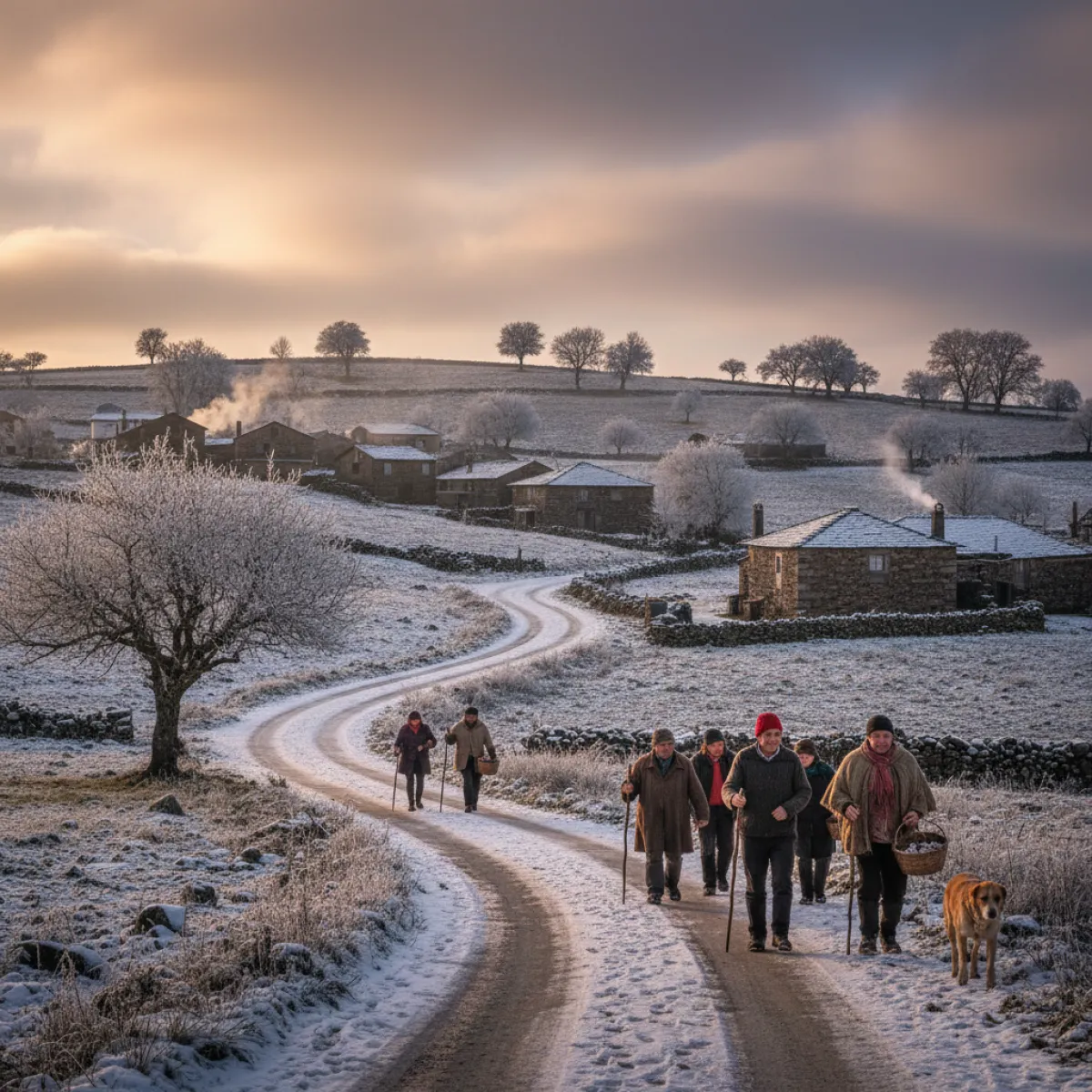
There is a very specific window in Montalegre, between 7:45 and 8:15 on a January morning, when the fog rising from the Cávado meets the low sun and the 13th-century castle appears to float over nothing. This is not a metaphor, it is physics. Air at 1,000 metres, river humidity, sub-zero temperatures. Arrive 20 minutes later and the sun burns the haze off and the photograph is gone. So this article opens with a practical warning: set your alarm for 6:30, wear two more layers than you think you need, and bring a camera with a charged battery, because the cold of Barroso eats batteries with the same efficiency it eats unprepared tourists.
I write this after four winters photographing this plateau and making bad ordering decisions in restaurants, and I will say it without flourish: winter Montalegre is not for people who want postcard landscapes. It is for people who want dramatic light, fog that moves, Barrosã cattle breathing steam, and lace-curtained windows behind which someone is heating broth. If that interests you, pull up a chair. If you want a beach, you have the wrong country.
Where to sleep, and why it matters for the photographer
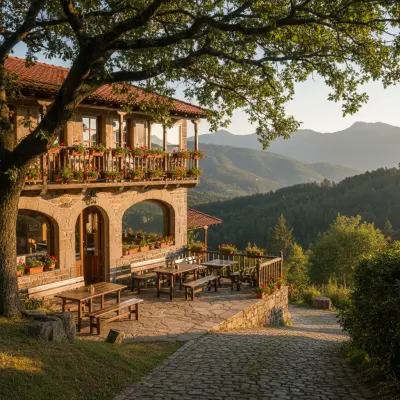
First rule: sleep near the castle. The best dawn shots are taken three minutes on foot from the main square, and any car you have to drive down from a remote farmhouse in the dark costs you blue hour. The Hostel Retiro do Gerês is, in my view, the most sensible base. It is simple, clean, with heating that actually works (do not underestimate this in January), and the kind of hosts who unlock the door at 6 a.m. without complaint. For travellers carrying a tripod and a heavy bag, the ability to come back to the room mid-morning to thaw fingers is worth the price alone.
If you want more luxury, there are rural turismo houses scattered through Barroso villages, but be warned: many heat only with a fireplace, and shooting at 7 a.m. after a poorly slept night is an experience I recommend to no one.
Day 1: Castle, plateau and a first lesson in light
06:45, coffee at any open café
Start with a galão and a pastel de nata at one of the cafés in the centre. I will not name a specific place, because owners and quality rotate, but anyone open at this hour serves men in work overalls and has a respectable espresso machine. Pay in cash, leave change, and sit at the bar to overhear the first conversation of the day, which usually involves cattle, weather, and a cousin who emigrated to France.
07:30, castle and viewpoint
The castle of Montalegre does not open this early, but you do not want to go inside: you want to circle it. The best angle is from the north, where the keep cuts against the Cávado valley and, with luck, against a sea of fog. A 35mm lens covers the landscape; if you have an 85mm, use it to isolate the tower against the haze.
Detail nobody tells you: the classic Montalegre photograph, with the castle floating, depends on a thermal inversion that happens maybe 12 to 15 days a winter. Not every day. If you wake up to a clear sky and a visible valley, change the plan: head for the plateau, because the raking light over frosted pasture is just as cinematic.
10:00, Larouco plateau and stone corrals
Drive north toward Pitões das Júnias and Tourém. The road climbs, asphalt thins, and everywhere you see circular dry-stone corrals, the cortelhos where livestock used to be kept. Park, walk, photograph. In January, with frost on the grass, those stone circles look like miniature fortresses. Wide lens, 24mm or less, and always put something in the foreground: a stone, a frozen puddle, a tractor track.
Practical warning: the road to Tourém can have snow. Winter tyres or chains are not legally required, but in January and February ask at the petrol station before you climb. There is no fast tow truck up here.
13:00, lunch in Pitões das Júnias
Pitões has three or four restaurants. Pick the one with the most local-plate pickup trucks parked outside. Order Barrosã veal, boiled potatoes, and a glass of regional red, and order nothing else. Dessert is unnecessary, coffee is acceptable. Expect to spend between 18 and 25 euros per person, no fireworks but plenty on the plate.
If afternoon light remains, do the short trail to the Pitões monastery, a Romanesque ruin tucked into a deep valley. The descent is easy, the climb back will make your legs complain. For the photographer, the monastery works best with side light, meaning late afternoon in winter.
Day 2: The human Barroso
Morning: markets, bakeries, taverns
Day two is for photographing people, which for me is always the hardest and most interesting work. Ask at your accommodation whether there is a market in any nearby village that day. The markets in Boticas, Salto, or Vilar de Perdizes follow fixed monthly dates and are visual theatres unmatched anywhere: chestnuts, fumeiro sausages, slippers, herding dogs asleep under the tables.
Golden rule for shooting at markets: buy something first. A loaf, a cheese, a pair of socks. The moment you are a customer, the camera is tolerated. Turn up with a Leica and the air of an artistic tourist and you will collect glares, and you will deserve them.
If you want deeper cultural reading on this territory before you travel, our guide to the castle, the castro and the mountain kitchen covers the historical angles I do not have room for here, and saves you half a day of research.
Afternoon: Alto Rabagão
The Alto Rabagão reservoir is the most underrated setting in the region. On winter days, when the water level drops, stone paths and even submerged houses appear, and the late afternoon light over the dark water is cinematic. Drive toward the Venda Nova area and follow the signs. There are several unmarked viewpoints; stop where there is safe verge and explore on foot.
In summer this is a watersports zone, and anyone who wants to experience the other face of Rabagão can book the kayak trip between water and stone, which I recommend between May and September. In winter the water is too cold and the wind cuts. Photograph and move on.
Day 3: Friday the 13th, or the strangest version of Portugal
If your trip coincides with a Friday the 13th, change all your plans. Montalegre hosts one of the oddest celebrations in the Portuguese calendar: the witches' night, with bonfires, incantations, witch soup served in the square, and a theatricality that hovers between serious folklore and deliberate tourism. It is genuine and it is staged at the same time, which is precisely what makes it photographically interesting.
For the photographer: high ISO, fast lenses (f/1.8 or better), and abandon the flash. Bonfire light does the work. For the curious, our coverage of the Friday the 13th Witches' Night Festival explains the programme, the schedule, and what to expect from a night that mixes cauldron and selfie.
Extensions: two more days, two itineraries east
If you have more time, and you should, consider two detours.
Bragança and Montesinho
Two and a half hours east, the Montesinho Natural Park is the wilder sibling of Barroso. Wolves, foxes, half-abandoned villages. For winter photographers it is territory of patience and silence, the exact opposite of Montalegre's spectacle. Our guide to Montesinho as a winter retreat recommends specific villages and is a good complement to this trip.
Chaves and the thermal baths
One hour east, Chaves offers the opposite: Roman civilisation, a stone bridge over the Tâmega, and thermal springs that have run for two thousand years. After three days shooting with frost on your hands, sinking into hot water is less a luxury than a medical necessity. Book a bath and read our piece on the thermal baths of Chaves and the Roman legions' legacy, which spares you the time of guessing which of the bathhouses is worth it.
Gear and logistics, without romance
- Two batteries per camera, kept in an inside pocket against your body. Cold kills them in 40 minutes.
- Tripod with rubber feet. Metal ones freeze to your hands.
- Gloves with removable fingertips, or proper photographer's gloves. Do not try to operate a camera with ski gloves, you will fail.
- Wide lens (16-35mm) and a telephoto (70-200mm) cover 90 percent of what you will want. Forget macros.
- Polarising filter for the winter sky. ND filters are not needed, light is weak.
- Car with proper tyres. From January to March, ask the rental for chains.
- Mobile signal is missing on half the plateau. Download offline maps.
Getting there and what it costs
From Lisbon, about 5 hours by car on the A1 and A24, with a stop in Vila Real for lunch. From Porto, 2.5 to 3 hours on the A4. There is no useful public transport into Barroso, forget it. Car hire from 30 euros per day in January, fuel budget around 80 to 100 euros for three days.
Bed at the Hostel Retiro do Gerês, simple meals in taverns, coffee and small extras: a three-day itinerary will cost you between 250 and 350 euros per person, flights excluded. Double the budget for fancier accommodation if you wish, but you will not photograph any better for it.
What to take home
Not homemade fumeiro of dubious origin, which can be confiscated at some airports. Buy at the producer's shop with a receipt. Cabreiro cheese, mountain honey, and a bottle of bagaceira aguardente if you like firewater. More importantly: bring back two or three photographs you are proud of, not two hundred destined for a hard drive that will die in silence.
Winter Montalegre is an exercise in stubbornness. Wake early, freeze, wait for the light, and sometimes come back with nothing. But when the fog opens, and the castle appears to float, and a Barrosã cow walks between you and the low sun, you understand why it pays off. It is not an easy destination. It is an honest one.