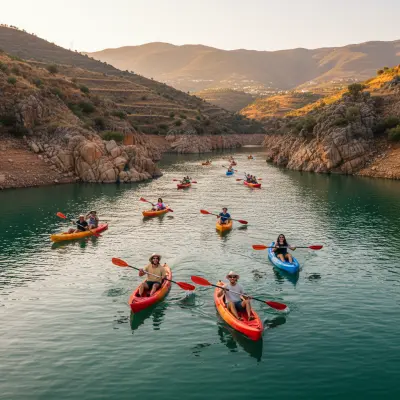
Visiting AEPGA's Miranda Donkey Sanctuary in Atenor from Mogadouro
AEPGA in Atenor keeps roughly 60 Miranda donkeys and runs guided tours three days a week for €7.50. The drive from Mogadouro takes around 40 minutes and ends with the story of a breed that almost vanished in the 1990s.
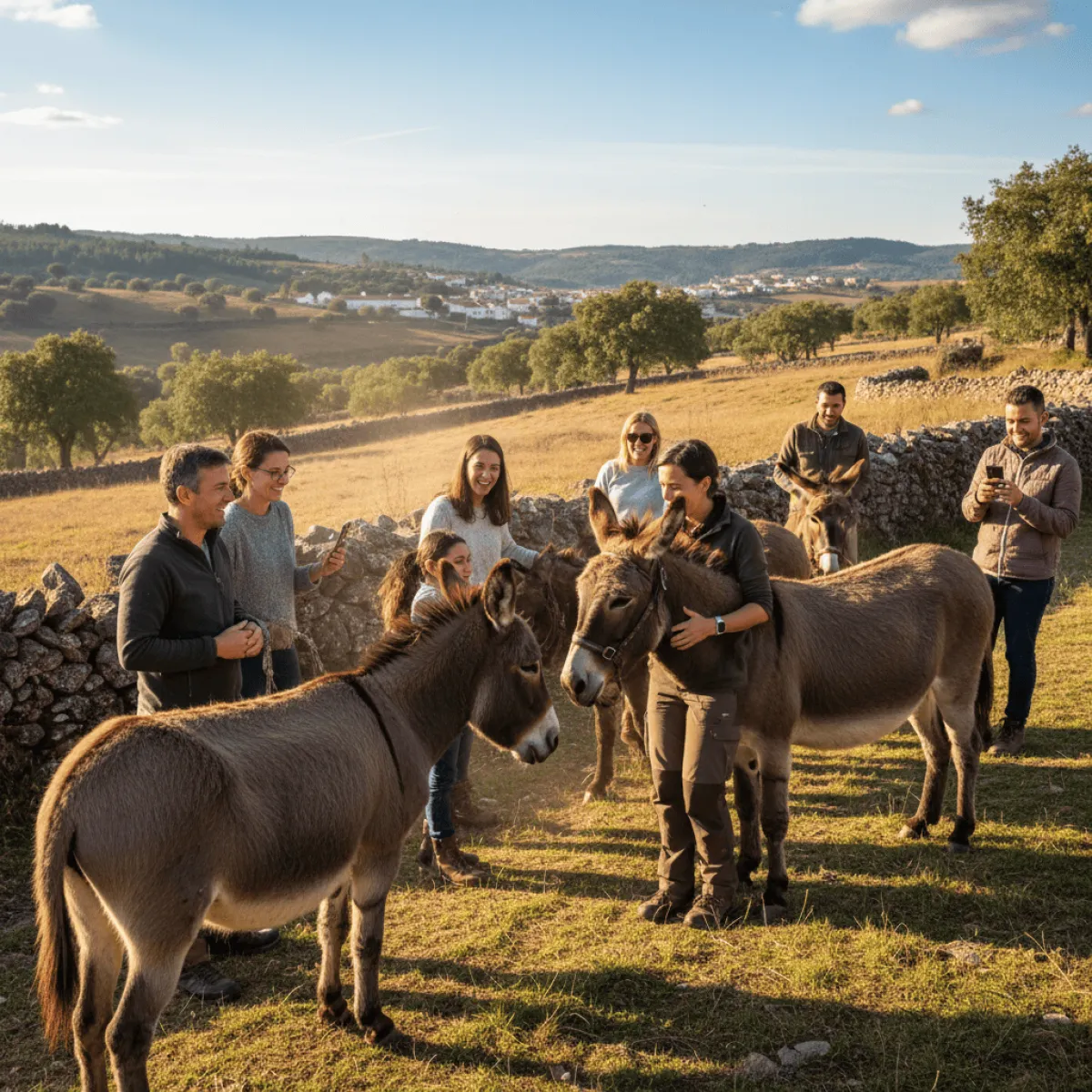
The drive from Mogadouro to Atenor takes around 35 minutes through what may be the cleanest stretch of the Miranda plateau: rye fields, dry-stone walls, and Iberian wolves you will never see but locals will always mention. Your destination is the AEPGA headquarters in the middle of the village, where roughly 60 Miranda donkeys live and welcome visitors by guided tour only. There is one reason to make the trip: few places in Portugal explain so clearly why a near-extinct breed deserves to keep existing.
What AEPGA actually does
AEPGA, the Association for the Study and Protection of Asinine Livestock, was founded in 2001 with one goal, stop the extinction of the Miranda donkey. Back then fewer than 800 animals were registered. Today there are over 1,000, and most of the credit goes to the team in Atenor. The visitor centre, called Centro de Valorização do Burro de Miranda or CVBM, sits in the village and combines public visits, scientific research, and a small breeding programme.
Driving from Mogadouro
From Mogadouro, take the N221 toward Sendim, then switch to the M601 to Atenor. The route is around 40 km. I would suggest leaving early in the morning, ideally before 9:00, so you arrive with time to spare and good light over the plateau. For a slower trip, base yourself in Mogadouro at A Casa do Gi and combine the donkey visit with a sunset on one of the plateau viewpoints on the way back.
What happens during the visit
The tour lasts roughly one hour and always runs with a guide. There is no fixed script: the content shifts depending on the visitors, the season, and which animals are out on the day. The flow tends to be:
The introduction
It starts in the reception building. You hear the story of the breed, why it is called Miranda donkey, how it differs from other Iberian breeds, and what almost killed it off in the 1990s. Some sessions include a short film. If you have kids, give them five minutes to settle here, it changes the way they look at the animals afterwards.
Meeting the donkeys
You then walk out into the paddocks. On a normal day you see between 15 and 30 donkeys, separated by sex and age. The guide introduces them by name (every animal has one) and tells you the biography of three or four of them: the oldest mare, a stud male with pedigree, a foal born that year. You can brush them, feed them carrots, and take all the photos you want. This is the part nobody forgets.
Walks and rides
On some visits you can take a short on-foot walk with a haltered donkey, particularly if you book in advance. Longer rides, including donkey-cart trips, must be arranged separately. Confirm directly with AEPGA if this is your priority.
Hours, prices, and how to book
From April to October: Tuesday, Thursday, and Saturday, at 10:00 and 16:30. From November to March: Tuesday, Thursday, and Saturday, at 10:30 and 15:00. In July, August, and long weekends, Sundays are added at the same times. Tickets are €7.50 per adult, €3.50 for students on a school visit, free for children under 6 and for members or godparents of a donkey. Groups of 25 or more pay €5 per person.
Booking at least one day in advance is mandatory, by email (reservas@aepga.pt) or phone (+351 273 739 307). No drop-ins. July and August fill up early.
Should you sponsor a donkey?
AEPGA runs a sponsorship programme (apadrinhaumburro.aepga.pt) starting at €25 per year. Your money pays for food, vet care, and shelter for the donkey you choose. You get photos, a certificate, and free entry to the centre for the year. For anyone leaving the first visit moved, it is the most honest way to keep supporting the work.
What to wear and bring
- Closed shoes you do not mind getting dusty. The paddocks are dirt and straw.
- A windbreaker even in summer. The plateau is always breezy and the shade cools fast.
- A hat and sunscreen from May to September.
- A water bottle. There is no café or vending machine at the centre.
- Cash for the small shop. The handmade items there fund the association directly.
When to go, in my opinion
May is the best month: green fields, foals jumping around the paddock, comfortable temperatures. June is also excellent. July and August can be hot and busier with summer camps, so book the 10:00 slot. Autumn light is striking but fewer animals are out grazing. Pair the visit with Mogadouro in May or the Miranda Donkey Route on the Plateau to make a proper weekend out of it. If you prefer somewhere quieter to sleep, Casa das Águas Férreas sits between Mogadouro and Atenor.
One thing nobody mentions
Ask the guide for the biography of one of the older stud males. Every donkey at the centre has a documented life story, and once you hear one, the visit stops being about looking at animals and becomes a conversation about a breed that almost did not make it. That is exactly why AEPGA is not a zoo and not a petting farm: it is a classroom where the donkeys happen to be loose.