Eat
€€
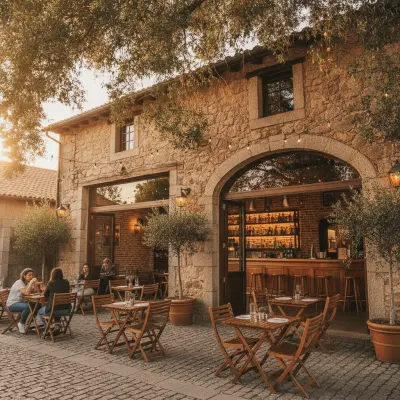
Cocheira Gastro Bar
Mirandela
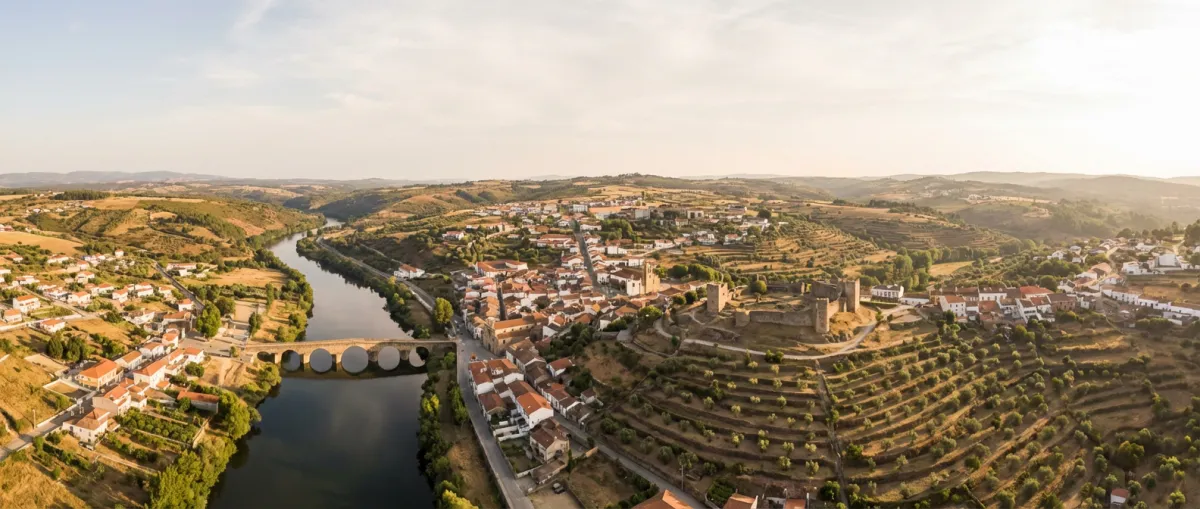
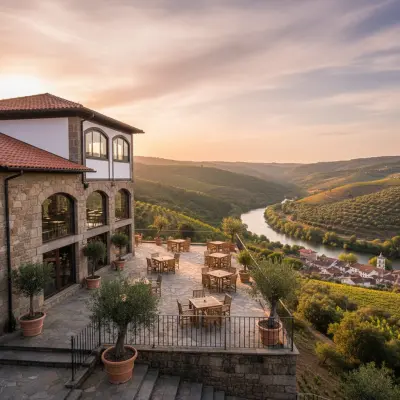
The alheira capital and home to some of the best food in Trás-os-Montes, Mirandela lives around the Tua River, from the medieval bridge lit up at night to river beaches in summer. One day is enough to eat well and hit the viewpoints; two if you want the Olive Route.
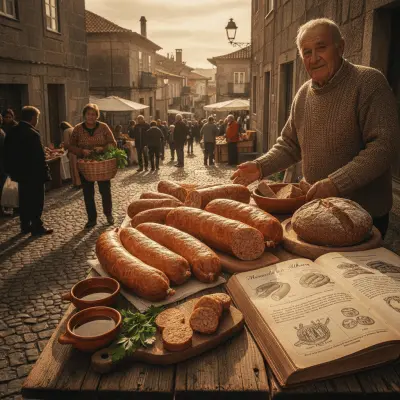
The alheira isn't just a snack: it's a Sephardic disguise that became IGP-stamped heritage. Where to eat it, when to go, and why Mirandela earned the title of smoked sausage capital.
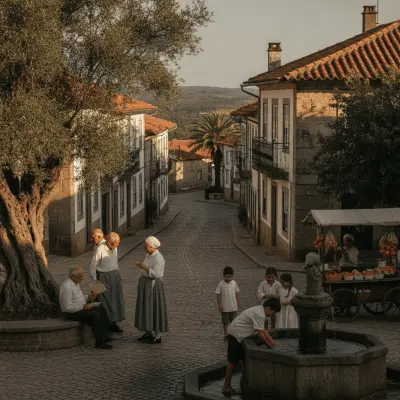
In July, Mirandela hits 38 degrees in the shade and the streets empty at noon. The trick isn't fighting the heat, it's sidestepping it: dawn at the viewpoints, the Tua at dusk, and alheira only after nine.
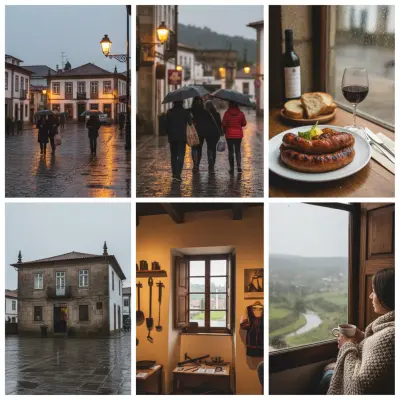
When the rain settles over Mirandela, the city swaps riverbanks for the aroma of woodsmoke and grilled alheiras. Discover how contemporary art museums and traditional taverns turn a grey day into an unforgettable Transmontano experience.
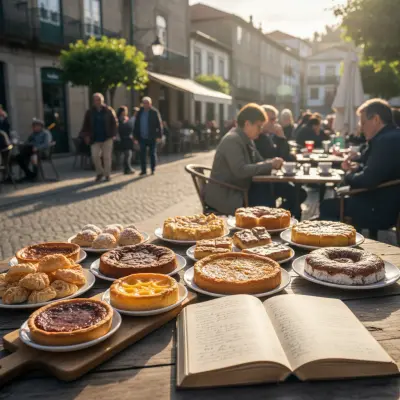
In Mirandela, coffee is a survival ritual against the heat. From the legendary Papos de Anjo at Flor de Aveiro to the meat-stuffed folar at Ramos, discover where the locals hide.
Mirandela doesn't show up on most visitors' rushed itineraries through northern Portugal. It sits in the Tua River valley, well off the motorway, and that distance from the usual circuit is exactly what keeps it honest, a city more concerned with eating well than performing for tourists. If you're coming to Trás-os-Montes and skip Mirandela, you're missing one of the region's best tables.
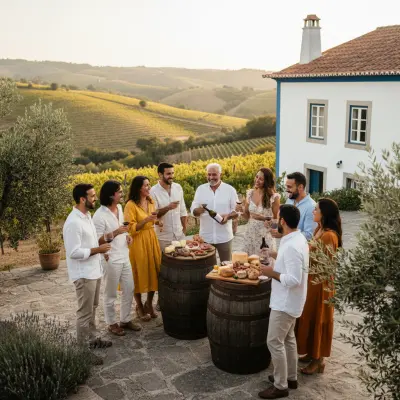
Let's get the obvious out of the way: Mirandela's alheira is one of the 7 Wonders of Portuguese Gastronomy, and the city won't let you forget it. The Feira da Alheira in March fills the Parque do Império and drives an industry worth over 30 million euros a year. But the Transmontano menu runs far deeper than sausage. Charcoal-grilled veal steak, roasted kid, feijoada à transmontana, watercress soup, Tua river trout with local olive oil, the food here is heavy, generous, built for serious winters. Transmontano goat cheese and Terrincho, both with protected designation of origin, close any meal properly.
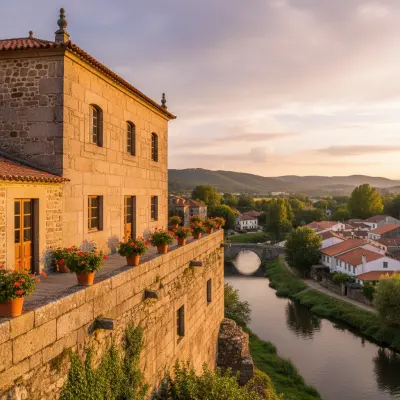
The Tua River defines Mirandela. The Ponte Velha, classified as a National Monument since 1910, connects the two banks with arches likely dating to the late fifteenth century. Lit up at night, it's the city's postcard image. The Parque do Império stretches alongside the bridge, centred on the Princesa do Tua fountain with an open-air amphitheatre that hosts summer events. On hot days, the Praia Fluvial da Maravilha, where the Tuela and Rabaçal rivers meet before forming the Tua, is the right spot to escape the Transmontano heat.
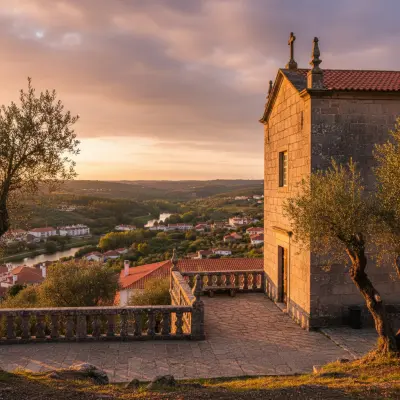
The Museu Municipal Armindo Teixeira Lopes, housed in the Cultural Centre, holds around 500 works, painting, engraving, sculpture, featuring names like Vieira da Silva, Júlio Pomar, Graça Morais, and Almada Negreiros. It's a surprisingly strong collection for a city this size. Then there are the viewpoints: the Igreja de São Bento, the Paço dos Távoras, and Franco each offer different perspectives over the valley and rooftops. The Paço dos Távoras itself, a Baroque building now housing the Town Hall, is worth a stop for its facade and the history of the family who commissioned it.
One full day is enough to cover the centre, eat without rushing, and climb to a viewpoint or two. If you want to explore the Olive Route or the surrounding villages, set aside two days. The best time to visit is spring, March for the Alheira Fair, April and May for mild weather and green hills before the dry summer heat sets in.