Visit
€
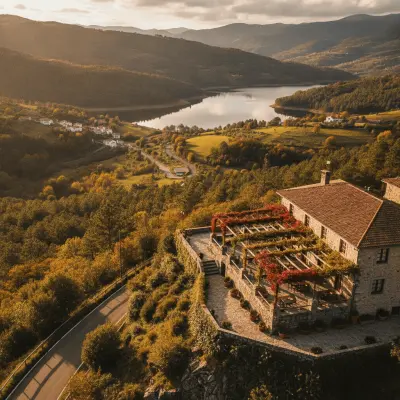
Miradouro da Corujeira
Montalegre
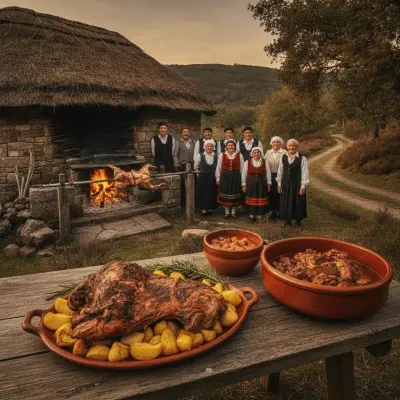
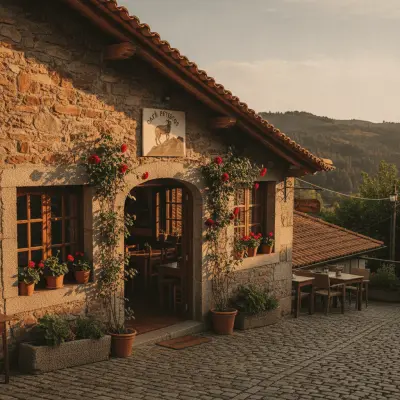
In Montalegre, roast kid goat only really shows up on weekends, and knowing that is half the meal already won. From the wood oven at Cafe Petiscos Rampa to the communal villages of Barroso, this is the meat trail worth planning ahead for.
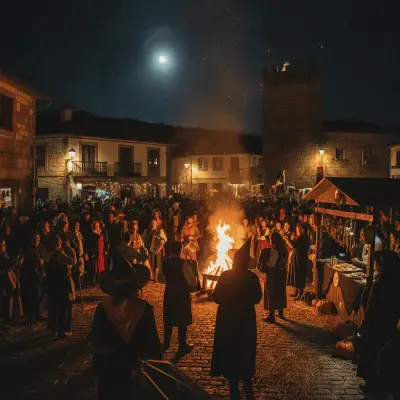
Once a year, when the calendar drops a Friday onto the 13th, Montalegre fills with black cloaks and burning spirits beside the castle. Here is how to do the Witches' Night right, without freezing or losing your bed.
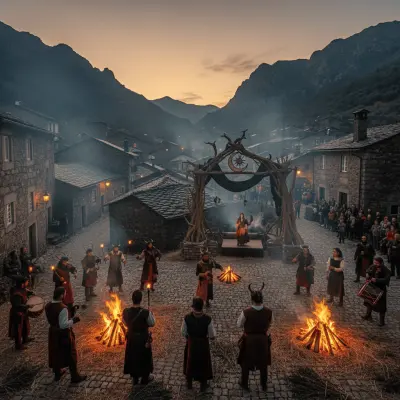
At 1000 metres altitude with 30,000 people storming the castle, Montalegre's Friday the 13th is half documented folklore, half territorial marketing invented in 2002. Here's how to tell the original from the copy, and why the winter edition is worth ten times the summer one.
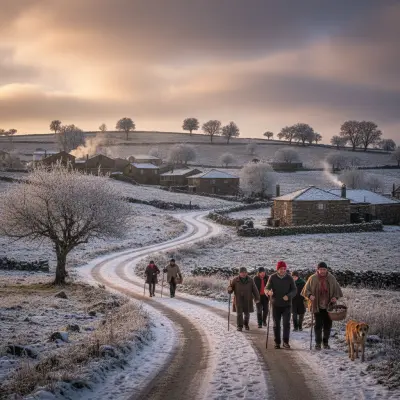
There is a 30-minute window in Montalegre, between 7:45 and 8:15 on a January morning, when the 13th-century castle floats over the Cávado fog. This is a three-day photographic itinerary for stubborn photographers, with real schedules, honest costs and zero romance.
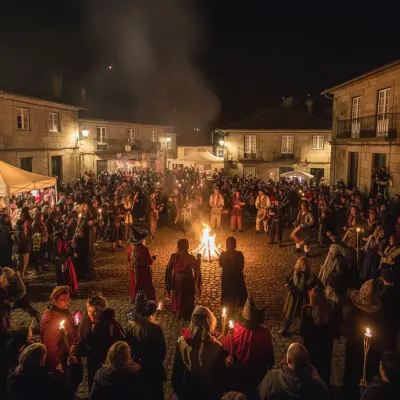
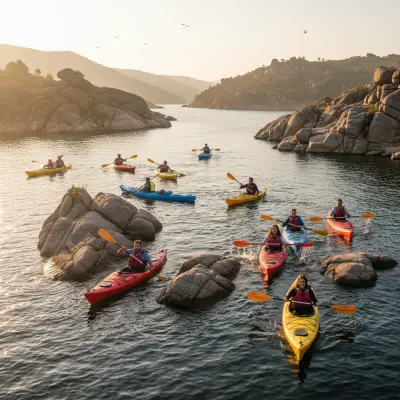
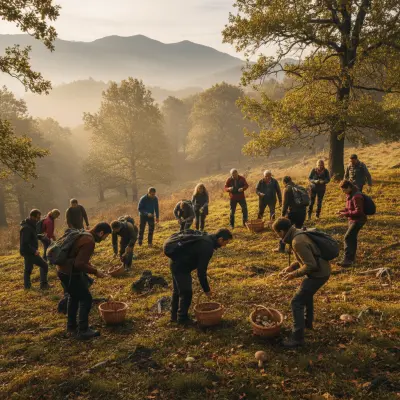
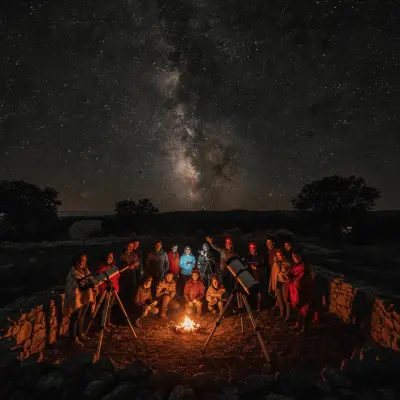
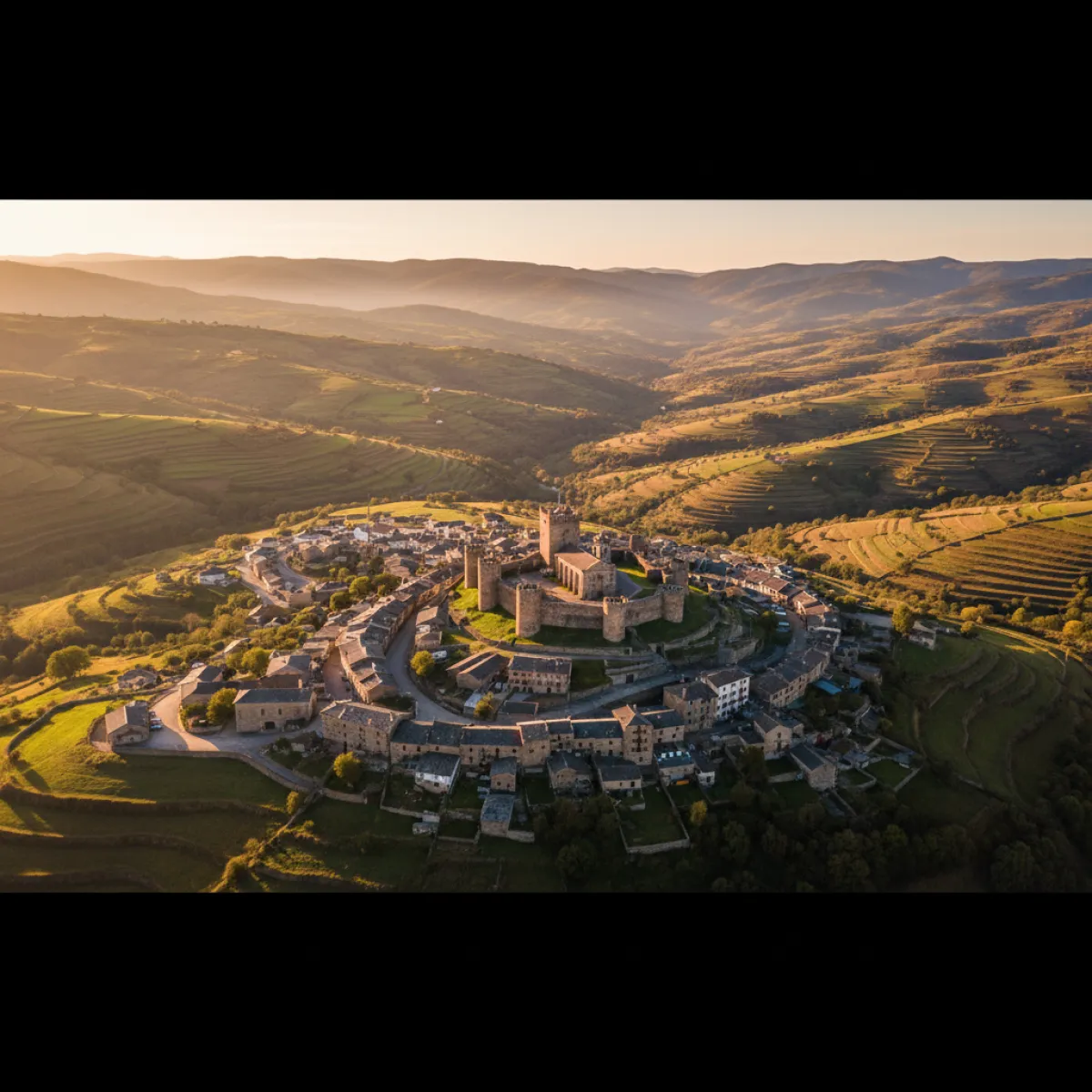
Montalegre sits at nearly 1,000 metres above sea level on the Barroso plateau, and most visitors to Portugal have never heard of it. All the better. People come here for the dry winter cold, for smoked meats eaten everywhere you turn, and for a cultural strangeness you won't find anywhere else in the country, a town where Friday the 13th is celebrated with witchcraft re-enactments at the medieval castle, and where superstition stories aren't dusty folklore but everyday conversation.
Montalegre Castle, classified as a National Monument since 1910, dominates the town with its 27-metre keep crowned by Gothic machicolations and pentagonal merlons. The foundation dates to 1273, when King Afonso III granted the town its charter, but the site was occupied long before, a prehistoric castro that saw Romans, Suebi and Visigoths before becoming a defensive outpost on the border with Galicia. The view from the top, across the plateau in every direction, is worth the climb.
Around the castle, the historic centre is compact, walkable in half an hour. The parish church, with Baroque carvings, and the Chapel of Mercy round out the granite core. The Ecomuseum of Barroso, Espaço Padre Fontes documents the region's traditional arts, from mountain agriculture to the fauna of Peneda-Gerês National Park, a short drive west.
If there's one reason to visit Montalegre in winter, it's the fumeiro, smoked meats. Alheiras, salpicões, chouriças and Barroso presunto are sold across the municipality, but the annual Fumeiro Fair in January is when things reach another level, with tonnes of cured sausages and an economic turnover exceeding one million euros. Outside the fair, look for carne barrosã: the indigenous cattle breed produces some of the best beef in Portugal, served as thick-cut steak, slow-cooked stew, or simply grilled. Cávado river trout stuffed with cured ham is another regional dish worth ordering.
Two to three days are enough to explore the town, hike the mountain trails, and make a foray into Peneda-Gerês. Spring (April to June) and autumn (September to October) are the most comfortable months, but winter has its own argument: the cold bites, yet it's smoked-meat season and festival time. If your visit coincides with a Friday the 13th, don't hesitate, the Night of the Witches at the castle is an open-air theatre spectacle that takes over central Montalegre, drawing thousands and featuring companies from both sides of the Galician border.