Clubs
€
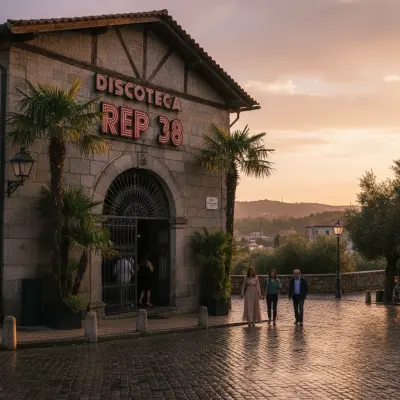
Discoteca Rep 38
Bragança
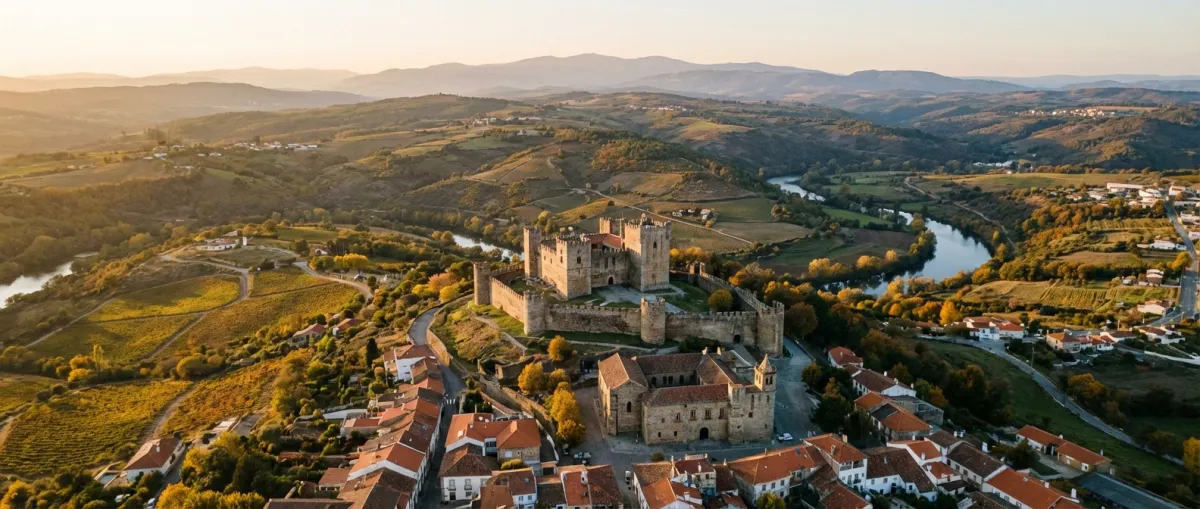
Capital of Portugal's remote northeast, Bragança has a still-inhabited medieval citadel, the Montesinho Natural Park on its doorstep, and the country's best smoked meats and game cookery. Plan two to three days for the city, the park, and the border villages.
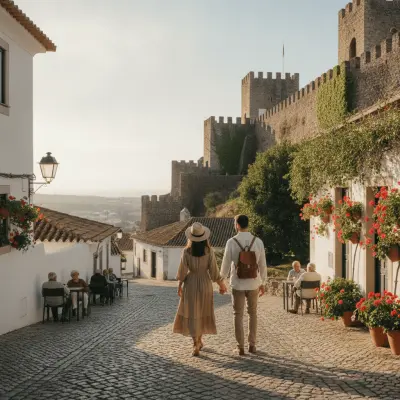
While the Algarve stays packed through September, Bragança quietly has its best month: cool nights in Montesinho, posta mirandesa without a queue, and a whole town left to whoever showed up early.
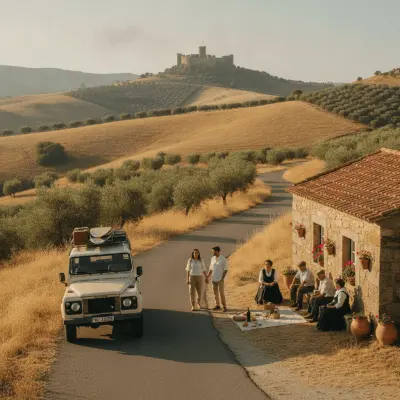
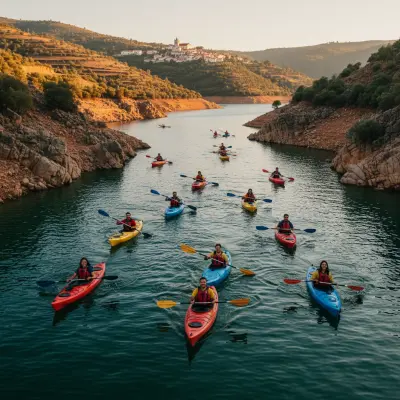
Forget the August-packed Costa Vicentina. A road trip from Bragança swaps sand for granite, crowds for silence and coastal prices for under-fifteen-euro menus. Citadel at dawn, kayaking the Sabor, and a night that does not end at nine.
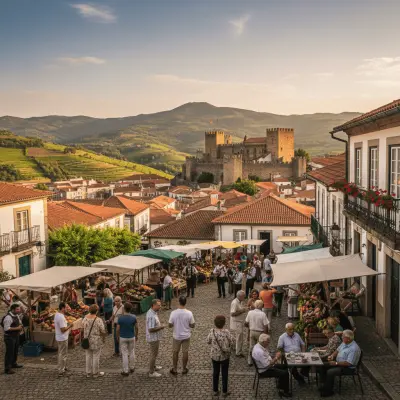
June in Bragança is the narrow window between late cold and the extreme summer heat of Trás-os-Montes. Three hours on the walls without sweating, posta mirandesa cut three centimeters thick, and nights when the students are still in town. The honest guide to the city's best month.
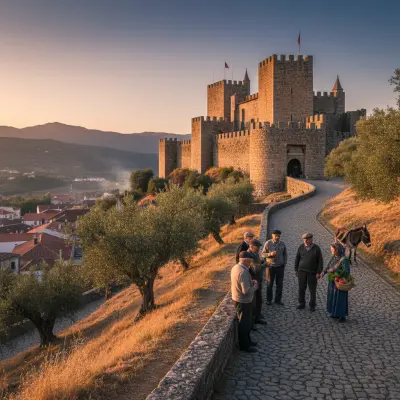
Explore the granite heart of Bragança, from its medieval Citadel to the enigmatic Domus Municipalis. A guide to Portugal's last frontier, where ancient history and contemporary art meet amidst the rugged beauty of the north.
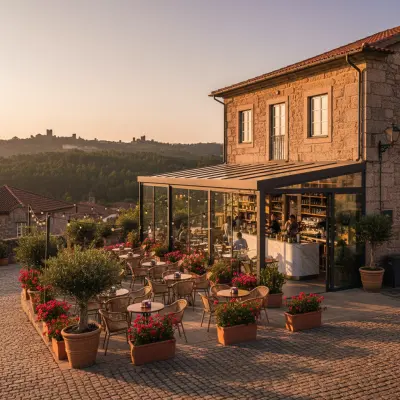
Bragança sits in the furthest corner of mainland Portugal, just over two hours from Porto by motorway, and much further away in every other sense. It's a city built around an intact medieval citadel, with a 12th-century keep overlooking hills thick with chestnut trees all the way to the Spanish border. Nobody visits Bragança by accident. You go there on purpose.
The castle and its walls are the obvious starting point, but what makes this citadel unusual is that people still live inside it. There are houses within the walls, cats on the rooftops, laundry drying from stone window frames. The Domus Municipalis, one of the rarest examples of Romanesque civic architecture on the Iberian Peninsula, sits quietly nearby, unassuming and remarkable. Downhill, the old centre follows streets running toward the River Fervença: Rua Direita, Praça da Sé, the garden beside the former São Francisco convent.
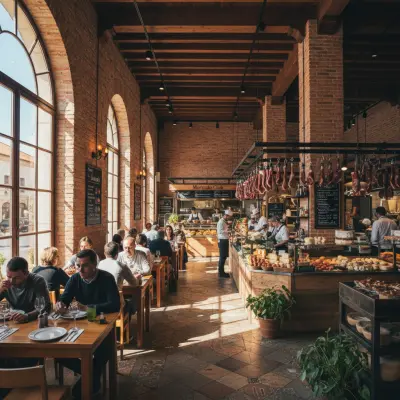
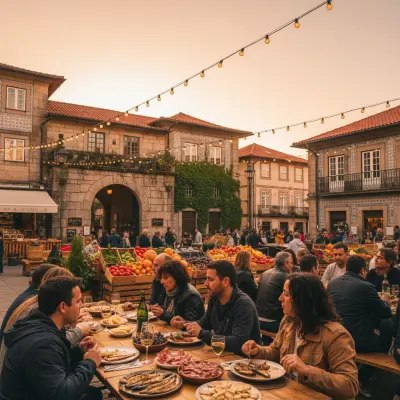
Trás-os-Montes is Portugal's most meat-centric region, and Bragança is its gastronomic capital. The alheira, a sausage originally created by Jews forced to convert, made with bread, garlic, and poultry instead of pork, was born nearby in Mirandela but is served everywhere here. Order it fried, with an egg on top. Butelo com casulas (smoked sausage with dried bean husks) is the definitive winter dish. Chestnuts appear in everything: soups, roasts, desserts. At restaurants around the centre, look for roast kid goat or posta de vitela mirandesa, a thick-cut local beef steak.
The Montesinho Natural Park begins at Bragança's doorstep and stretches across nearly 75,000 hectares of forest, meadows, and villages where daily rhythms haven't changed much, Rio de Onor, on the border, maintained a communal system shared with the Spanish village on the other side for centuries. The best time to visit depends on what you're after: autumn brings chestnuts and colour in the oak forests; winter brings snow and cured meats; spring is ideal for hiking in Montesinho. In summer, the nights stay cool while the rest of the country overheats. Plan for two to three days: one for the city, one for the park, and maybe a third to get lost in the villages.
Bragança doesn't compete with Lisbon or Porto for your attention. It doesn't need to. This is a place for travellers who want to see a Portugal that predates mass tourism, and still runs on its own terms.