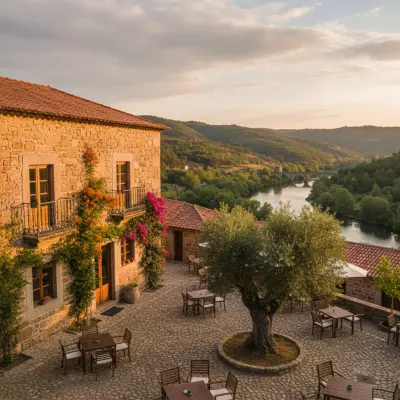
Sleep
€€
Puial de l Douro
Miranda do Douro
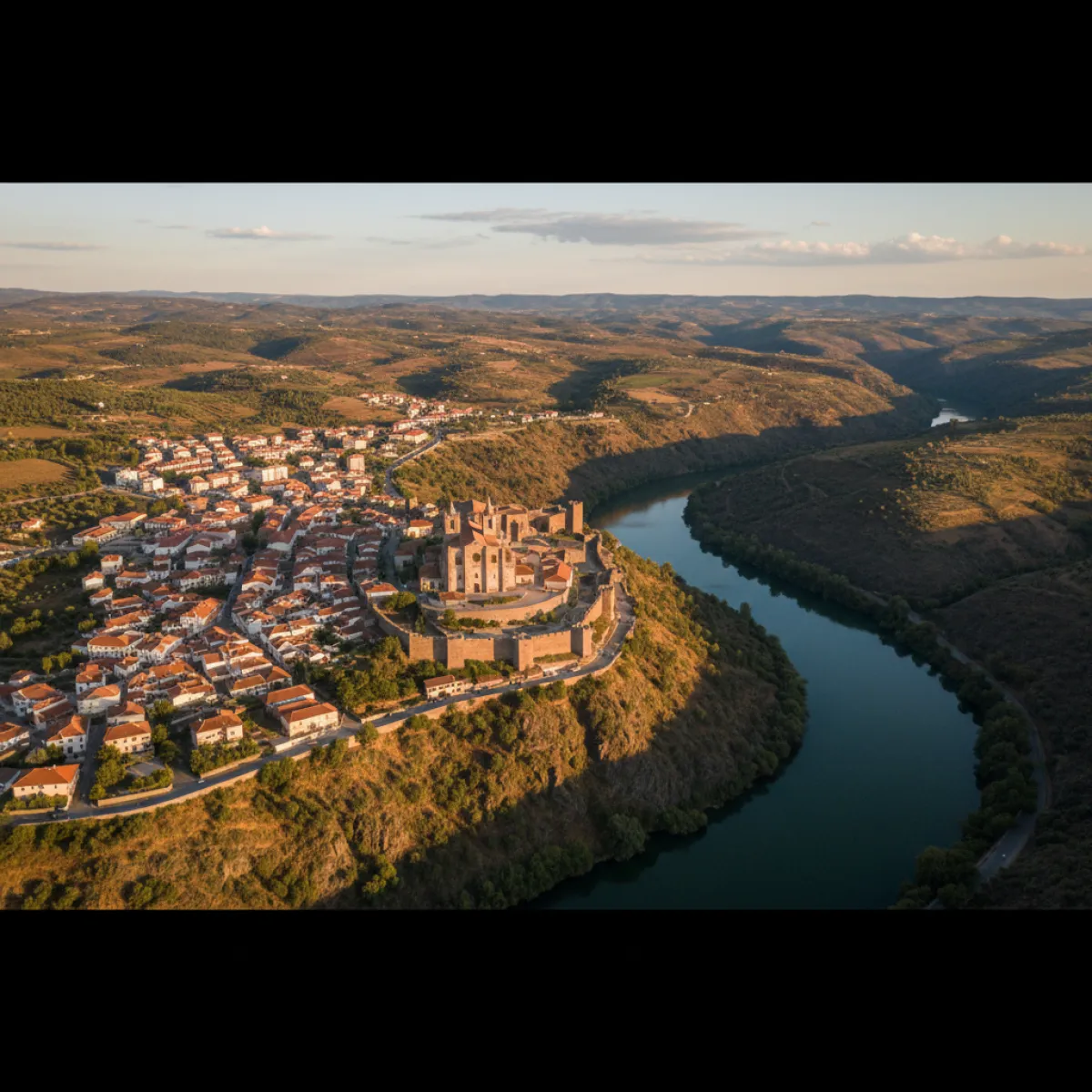
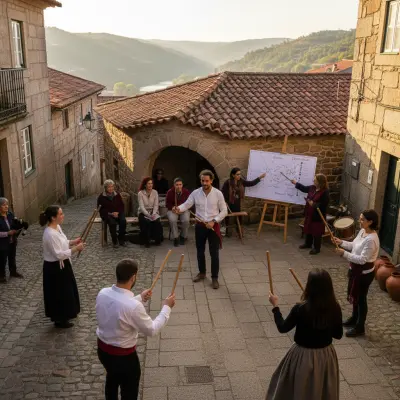
Miranda do Douro is the only Portuguese city with a second official language, Mirandese, and the gateway to the dramatic cliffs of Douro International Natural Park. Come for the posta mirandesa, stay for the Pauliteiros stick dancers and the top-hat Child Jesus.
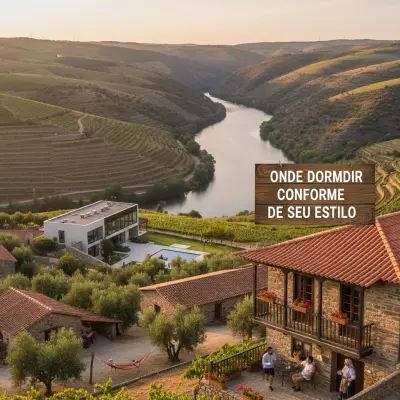
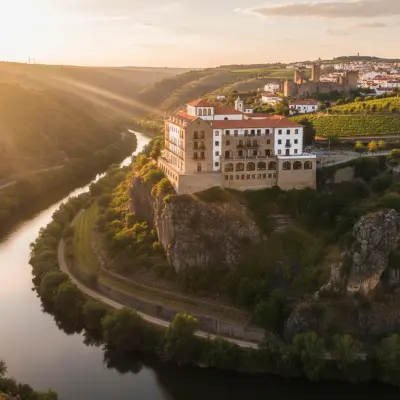
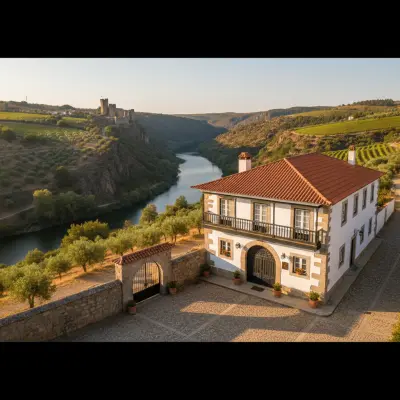
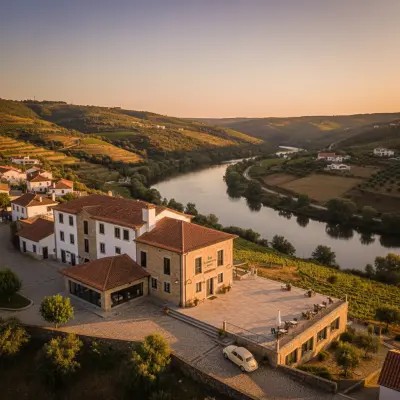
From historic center hotels to Mirandese-language rural stays, Miranda do Douro has accommodation for every type of traveler. Four real options with honest prices in one of the last Portuguese towns that mass tourism hasn't found yet.
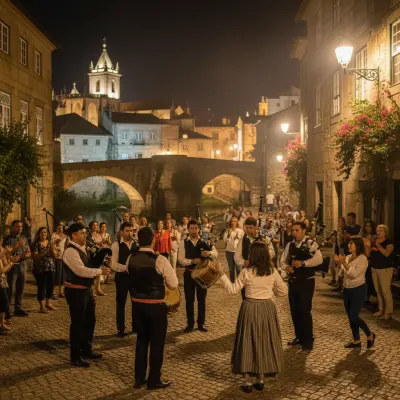
Miranda do Douro has no clubs or cocktail bars. It has Pauliteiros stick dancers, honey brandy, and village festivals that run until 4am. For those who know what to look for, that's more than enough.
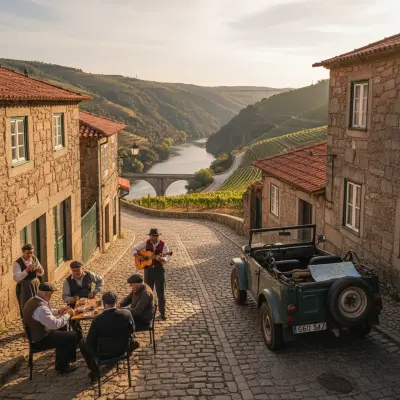
Miranda do Douro sits at the end of the road, perched above a vertiginous canyon, with its own language and the finest beef in Portugal. This 24-hour itinerary covers the top-hat cathedral, the Pauliteiros war dance, posta mirandesa, and a cruise through the International Douro.
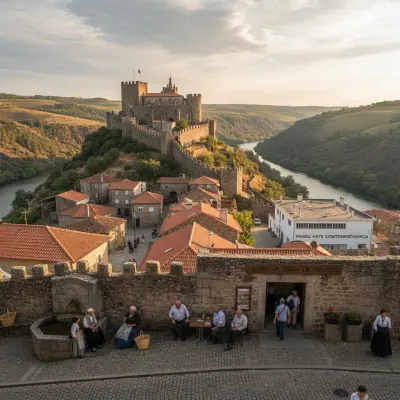
Miranda do Douro has a handful of cultural spaces, but only two truly deserve your time. The Museu da Terra de Miranda is a surprisingly compelling ethnographic journey, and the Concathedral houses the Menino Jesus da Cartolinha, a Child Jesus figure that has worn military uniforms and a Barcelona FC kit.
Miranda do Douro sits at Portugal's northeastern edge, where the Douro River has carved a gorge over 200 metres deep that forms a natural border with Spain. The town is small, you can walk the historic centre in half an hour, but its cultural density justifies at least two days.
Before you notice the monuments, notice the street signs. Miranda is the only place in Portugal with a second official language: Mirandese, a variant of Asturo-Leonese spoken by around 15,000 people. Children learn it in local schools. Bookshops stock bilingual editions. This isn't folklore staged for visitors, it's living identity, and you hear it in conversations between neighbours on their doorsteps.
The Sé Catedral, whose first stone was laid in 1552, dominates the town centre with gilded altarpieces and one genuine curiosity: the Menino Jesus da Cartolinha, a figure of the Child Jesus wearing a top hat, dressed in fresh outfits throughout the year. The locals hold a particular devotion to this image, and it's impossible to visit without cracking a smile.
Posta mirandesa is the dish that defines the city, a generous cut of local Mirandese veal grilled over coals, served with smashed potatoes and turnip greens. The tradition started in the nearby village of Sendim, where a woman named D. Gabriela began grilling steaks to sell at fairs. The restaurant bearing her name still operates, run by her descendants. In Miranda's centre, nearly every restaurant serves its own version, but also look for sopa transmontana and tabafeia, a smoked sausage made from pork and poultry.
From the viewpoint beside the Cathedral, you can see the Douro gorge in its full scale. To experience it up close, boat trips depart from the marina just outside town and wind through the canyon between cliffs where griffon vultures and eagles nest. The Douro International Natural Park is one of Europe's most dramatic landscapes, and Miranda is its most accessible gateway.
The best time is May through October, when the Pauliteiros, stick dancers with Celtic-era roots, perform regularly. Winter is harsh and temperatures drop below freezing, but the town takes on a stillness and light that appeals to anyone looking for Portugal beyond the usual routes.