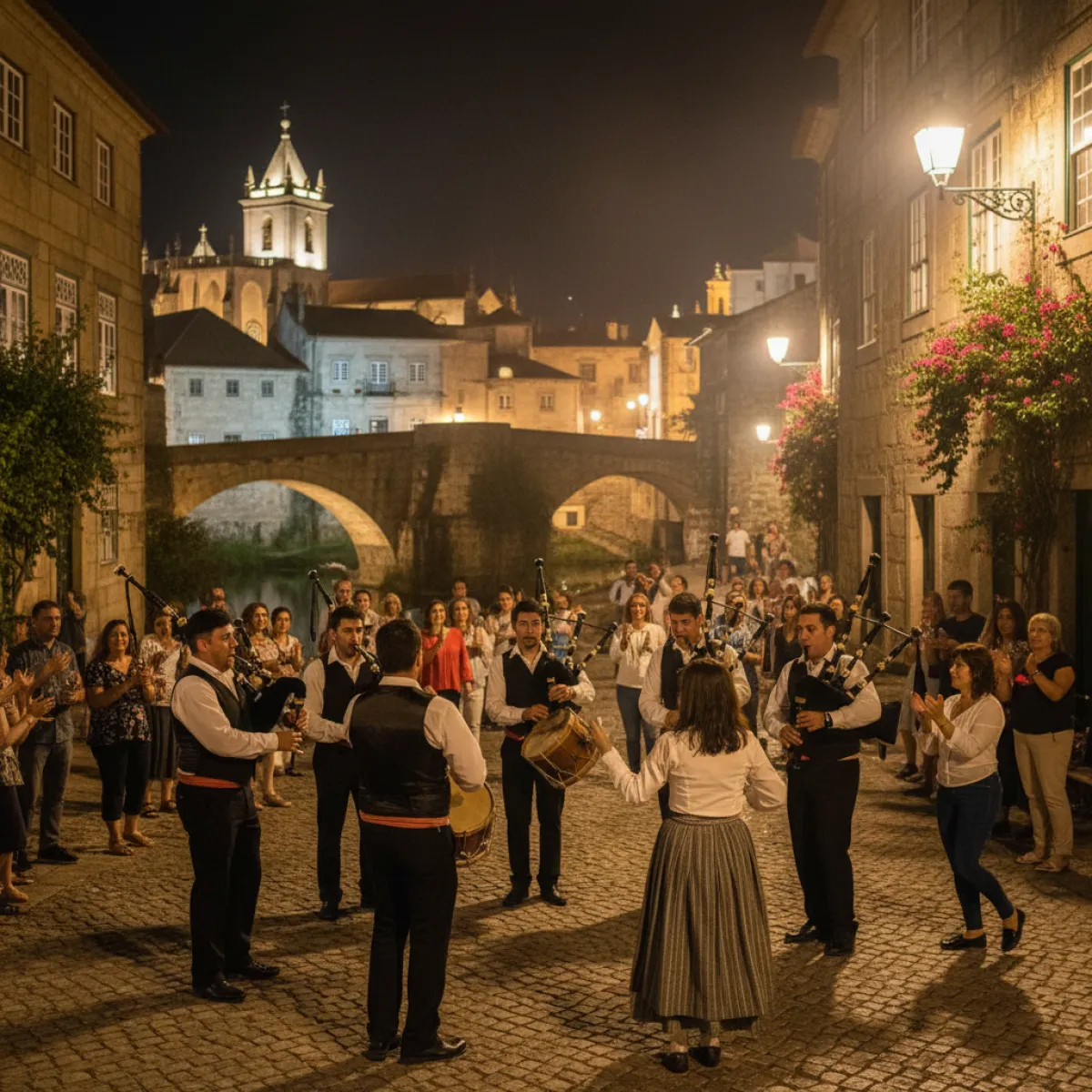
Miranda do Douro After Dark: A Local Music Guide
Miranda do Douro has no clubs or cocktail bars. It has Pauliteiros stick dancers, honey brandy, and village festivals that run until 4am. For those who know what to look for, that's more than enough.
Let's get one thing clear: Miranda do Douro is not a nightlife destination in any conventional sense. There are no clubs with velvet ropes, no rooftop bars with curated playlists, no late-night scene that anyone would describe as "buzzing." And that's precisely the point. The music and after-dark life here operate on completely different terms, shaped by a town of around 2,000 people perched above one of the most dramatic river canyons in Iberia, where a minority language called Mirandese is still spoken and sung.
If you can adjust your expectations away from cosmopolitan nightlife and toward something rawer, more personal, and occasionally transcendent, Miranda do Douro will reward you in ways that bigger cities simply can't.
The Sound of Miranda
Music in Miranda do Douro is inseparable from Mirandese culture. This isn't Portuguese folk with a regional accent. Mirandese is a distinct Romance language, co-official since 1999, and when you hear it sung in a circle of friends at a local café, or chanted during a festival, there's an unfamiliar rhythm to it that catches your ear.
The town's most famous musical tradition is the Pauliteiros de Miranda: groups of stick dancers who perform intricate, percussive dances accompanied by bagpipes (gaita de foles) and drums. Think of it as martial choreography set to music, precise, physical, and surprisingly intense. This isn't dusty folklore performed for coach tours. During the town's August festivals, the Pauliteiros perform with genuine fire, and the crowd responds in kind. If you want deeper context before you go, the Mirandese and Pauliteiros workshop gives you proper grounding in the tradition.
Where to Go Out at Night
The historic centre of Miranda do Douro is compact. You can walk the whole thing in fifteen minutes. This is an advantage: on a good night, you move from bar to bar on foot, no logistics required.
The streets around Largo Dom João III and the Rua do Mercado area are where the few bars and cafés with any nighttime pulse concentrate. Don't expect cocktail menus or craft beer taps. Here you drink fino (draft lager), red wine from the Douro, or aguardente de mel, a honey brandy that defines post-dinner Trás-os-Montes. The honey brandy is serious stuff: sweet enough to be deceiving, strong enough to remind you where you are.
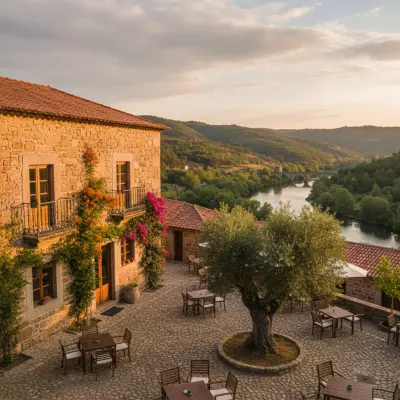
In summer, particularly July and August, things shift dramatically. The town fills with returning emigrants, university students on break, and Spanish visitors crossing from Zamora. Café terraces spill onto the streets, live music appears in squares and plazas, and suddenly Miranda do Douro has a nocturnal energy that surprises anyone who only knows it off-season.
Festivals and Romarias: The Real Nightlife
If you want the full Miranda do Douro after-dark experience, you need to time your visit. The Festas de Santa Bárbara, the patron saint celebrations in mid-August, are the peak. For three or four days, there are live concerts near the riverside or by the old walls, Pauliteiros performances, food stalls serving posta mirandesa (massive grilled veal steaks from the local Mirandese cattle breed) and butelo com casulas (smoked pork sausage with dried bean pods), and dances that run until the last pair of legs gives out.
The Gastronomy and Craft Fair, usually in summer, also brings live music and is a good chance to hear local and regional bands. Check dates locally, as they vary year to year.
Outside the main festivals, look to the surrounding villages. Duas Igrejas, Sendim, Palaçoulo: each has its own annual festa, and the format repeats with variations. A band playing covers or popular Portuguese music, food and drink, dancing until late. It's not sophisticated. It's real. Those are very different things.
Eat Before You Go Out
You don't go out at night in Miranda do Douro without a proper dinner first. Non-negotiable. Posta mirandesa is the dish that rules: a huge veal steak from the autochthonous Mirandese breed, grilled with coarse salt and served with punched potatoes. The flavour difference compared to a generic steak is obvious from the first bite.
Butelo com casulas deserves attention too: a smoked pork sausage stuffed with ear and snout (better than it sounds), served with dried bean pods. It's a winter dish, heavy, perfect for a cold night before heading out for drinks.
Alheira (a bread-and-meat sausage with a fascinating origin story involving Portugal's Jewish communities) and pumpkin chouriço work well as starters. Pair everything with a Douro red or, if you want to go local, a vinho da terra.
Where to Stay for a Night Out
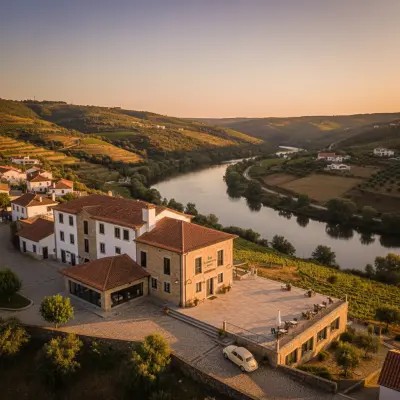
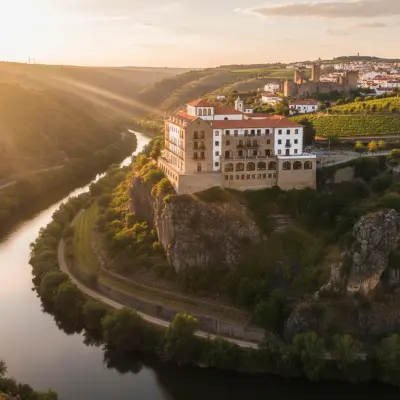
The advantage of Miranda do Douro being tiny is that you can go out and walk back to your hotel. Hotel Turismo Miranda is the most established option, with views over the Douro canyon. Good location for being close to the centre while still having enough quiet to sleep after a late night.
Hotel D. João III sits right in the centre, which is practical if the plan is dinner, drinks, and a two-minute walk to bed. For something closer to the river with a different feel, Hotel Mirafresno is near the river cruise area.
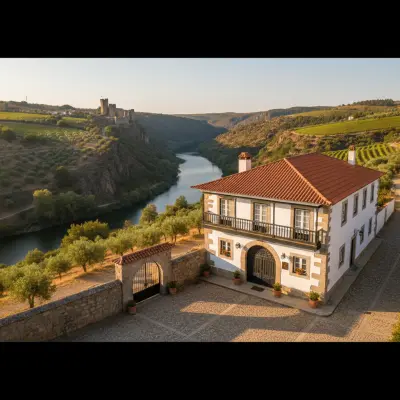
If you prefer rural accommodation with more character, Puial de l Douro has a name in Mirandese and a personality to match. The trade-off is distance from the centre, so plan your return if you're drinking.
Live Music: When and How to Find It
Here's the truth that no guidebook tells you: in Miranda do Douro, live music doesn't follow a fixed schedule. There's no fado house, no jazz club, no bar with Friday night gigs. Music happens when there's a reason for it: festivals, gastronomic events, cultural gatherings, or simply because someone brought their bagpipes to the café.
The town hall organises cultural events throughout the year, including concerts at the Centro Cultural or outdoors in summer. Check the local cultural agenda when planning your trip. The Museu da Terra de Miranda, near the cathedral, also occasionally hosts events featuring traditional music.
If you're the kind of traveller who sits at a café and strikes up conversation, you'll end up hearing about informal music sessions that aren't on any poster. Miranda is one of those places where the best nights aren't planned. They happen.
A Suggested Evening Route
Arrive in the late afternoon. Walk to the viewpoint above the Douro canyon, which is absurdly beautiful at sunset. Head back to the historic centre, pass by the Sé Catedral (the smallest cathedral in Portugal, but don't let size fool you). Have a slow dinner. Posta mirandesa, Douro red, dessert if you can manage.
After dinner, coffee and aguardente de mel in the centre. If it's summer and terraces are open, settle in. If it's festival season, follow the noise to wherever the stage is set up. If it's winter and things are quieter, don't despair: a bar with a handful of locals, a glass of honey brandy, and conversation about the land is worth more than any nightclub.
Beyond Miranda
If you're exploring Trás-os-Montes with more time, it's worth combining this trip with other destinations in the region. Montesinho's deep nature makes a perfect counterpoint: absolute quiet to recover from the night. And if you want to keep exploring the northern interior, the thermal springs of Chaves are within reasonable distance and serve as ideal decompression.
Practical Information
Miranda do Douro is about 90 km from Bragança and just over 400 km from Lisbon. Driving is the only practical option, as public transport to this area is sparse and unreliable. Coming from Spain, Zamora is about 50 km away.
The best time for nightlife is unquestionably summer, peaking in August during the Festas de Santa Bárbara. If you prefer to avoid crowds but still catch some atmosphere, June or early September work.
Budget for a night out: a full dinner with wine runs between €15 and €25 per person at local restaurants. Drinks are cheap: expect €1 to €2 for a draft beer or coffee with brandy. Miranda do Douro is, thankfully, a town where going out at night won't wreck your budget.
One last thing: if you encounter music on the street and don't understand the lyrics, it's not badly spoken Spanish. It's Mirandese. And the fact that you can hear it sung spontaneously, in a country where so many minority languages have disappeared, is perhaps the best part of any night in Miranda do Douro.