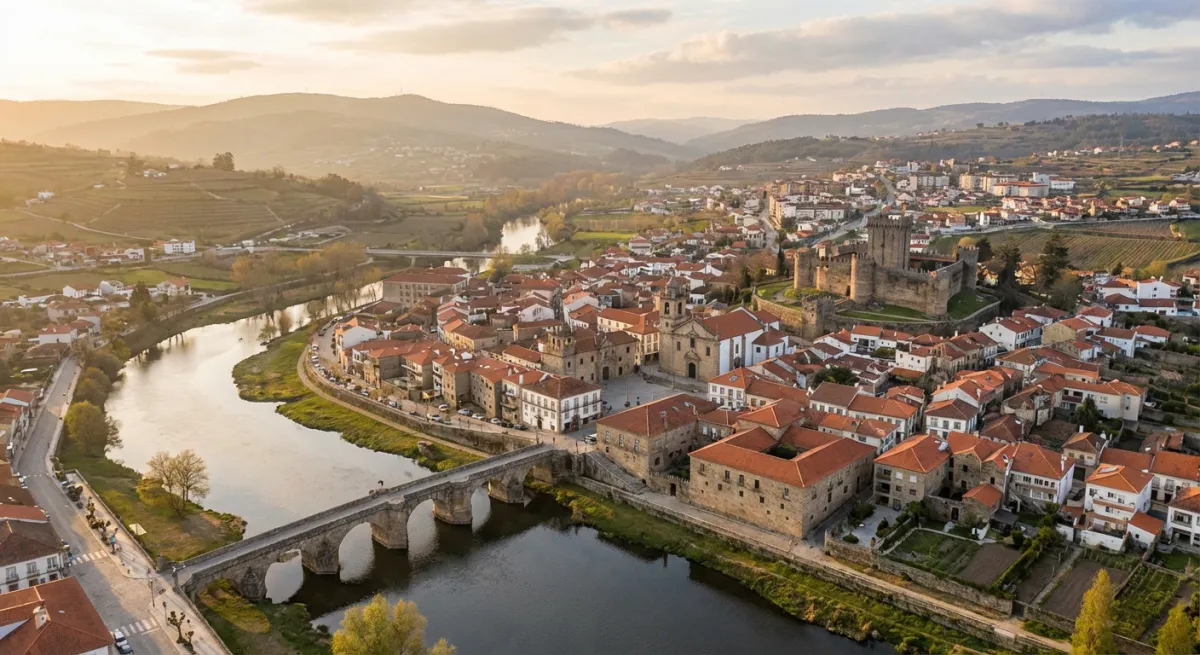
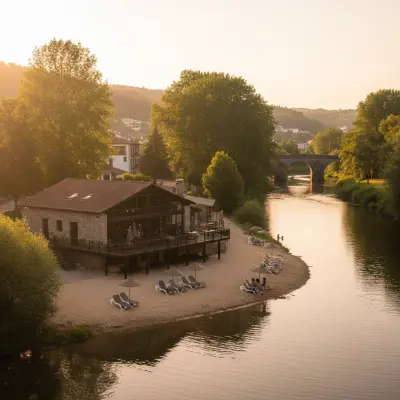
Chaves sits at Portugal's northern edge, a few kilometres from Spain, on a fertile plain where the Tâmega river runs wide and slow. It's a border town with its own accent, where you eat well for very little and where thermal springs have drawn visitors since Roman times. If you want Trás-os-Montes without the polish, Chaves is a solid starting point.
The bridge and the old town
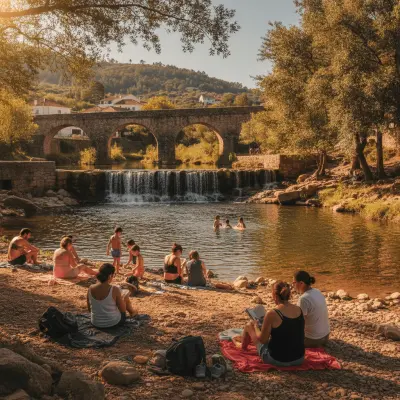
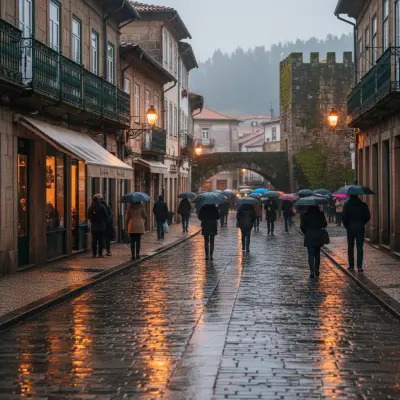
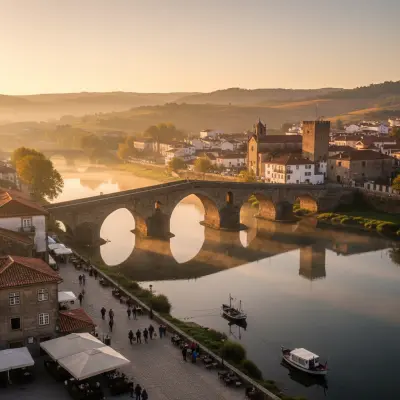
The Roman bridge of Trajan, with its sixteen arches spanning the Tâmega, is the city's landmark, and deservedly so. Built in the first century, it still serves as a pedestrian crossing between both banks. On the south side, the historic centre fans out in narrow streets around the medieval castle and its keep, now a museum. Praça de Camões works as the city's living room: people drink coffee, talk, and watch time go by.
Thermal waters
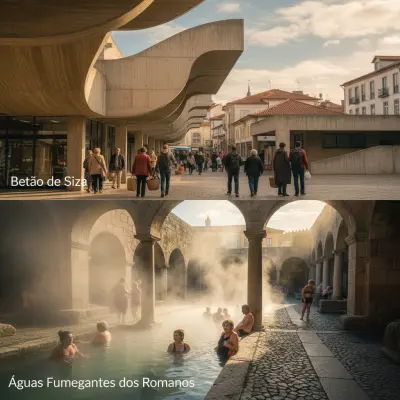
Chaves is, above all, a thermal town. Hot springs reaching nearly 73°C surface beside the river and were the reason Romans founded Aquae Flaviae here. Today, the Balneário Termal offers affordable treatments, and at the Fonte do Povo anyone can fill bottles with steaming water for free. It's a local ritual worth watching early in the morning.
What to eat first
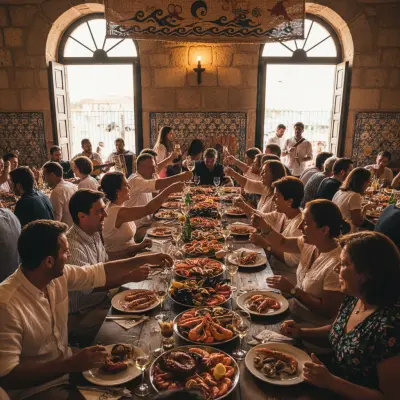
The short answer: a pastel de Chaves. A thin pastry filled with seasoned veal, sold in nearly every bakery in town. The best local debate is which bakery makes the finest, Pastelaria Maria gets frequent mentions, but some swear by Pastelaria Marialva. Beyond the pastel, Chaves is territory for folar transmontano, Barroso cured ham, and cozido à portuguesa made with the region's smoked meats. In the centre's restaurants, a full lunch with wine rarely costs more than fifteen euros.
When to go and how long to stay
Two days are enough to see the city properly. Summer brings dry, intense heat, Chaves is one of Portugal's hottest cities in July and August. Spring and early autumn are more comfortable for walking. In November, the Feira dos Santos takes over the city for several days, with an open fair, local food, and an atmosphere that pulls people from across the region. If you're driving, Chaves works well as a base to explore Vidago, Montalegre, or the Serra do Larouco.