Sleep
€€€
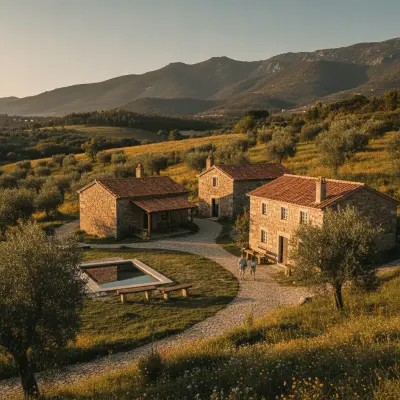
Chão do Rio - Turismo de Aldeia
Seia
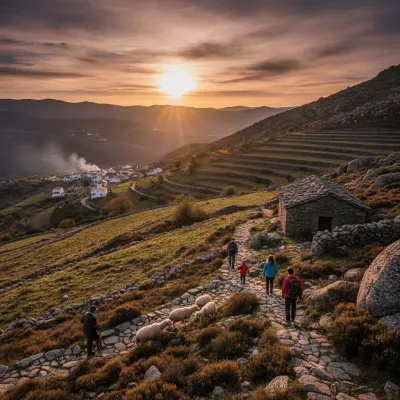
In Seia, the question everyone asks at the tourism office is always the same: what time should you start the trail? The answer changes with the season, but it's never after noon.
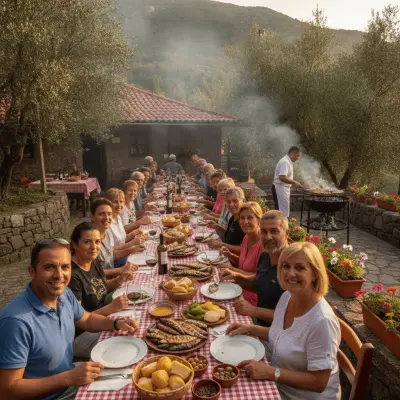
Seia is two hours from the sea, but in July the coals are lit in the mountains too. Where to find the best festa sardines, why Serra rye broa makes all the difference, and how to build the perfect summer day in the Estrela.
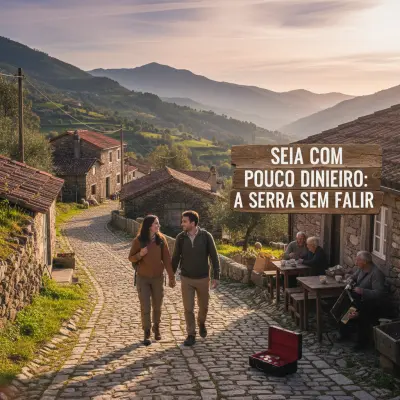
Seia won't win any glamour awards, but it might be Portugal's most honest destination for budget travellers. A whole wheel of Serra da Estrela cheese, two days of free mountain access, and coffee under one euro, the full playbook for a weekend under 50 euros.
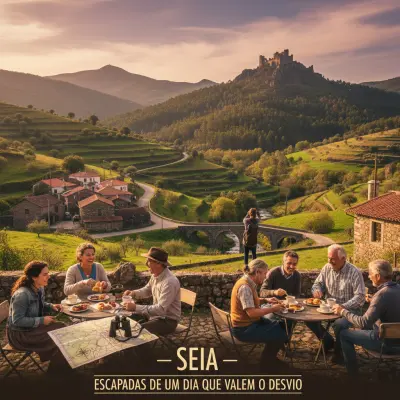
Seia isn't just the launchpad for Torre. Within an hour's drive, you've got schist villages, glacial valleys, and cherry orchards in bloom, if you know when to go. Here's the day-trip playbook for using Seia as your Serra da Estrela base camp.
Seia sits on the western slope of Serra da Estrela and, for most visitors, that's all it is, a fuel stop before driving up to Torre. That's a mistake. The city has an unusual concentration of museums for its size, a relationship with Serra da Estrela cheese that goes well beyond the souvenir shop, and a rhythm that works independently of weekend tourists.
The Museu do Pão, set in the Quinta Fonte do Marrão estate, is probably the best known, four thematic rooms covering 300 years of bread history in Portugal, with a children's section where kids can shape and bake their own loaf. But Seia also has CISE (the Serra da Estrela Interpretation Centre), essential for understanding the mountain's ecology before you hike it, the Toy Museum in the city centre, and the Natural Museum of Electricity in Mata do Desterro, where raised walkways through the forest are worth the visit on their own. For a city this size, the cultural offering is absurd.
Queijo Serra da Estrela DOP is made from bordaleira sheep's milk curdled with thistle flower, buttery, strong, impossible to confuse with anything else. In February, the Feira do Queijo Serra da Estrela takes over the city and is the best time to taste directly from producers. The rest of the year, the Municipal Market stocks cheese, cured meats, honey, and rye bread. The combination of buttery Serra cheese with local rye bread is the most honest snack you can eat in Portugal.
Seia deserves at least two days. One for the museums and eating well in town, another for heading up the mountain, whether to Torre (1,993 metres, the highest point in mainland Portugal), Lagoa Comprida, or mountain villages like Loriga and Linhares. If you come for just an afternoon, you'll miss the pace of the place. The city moves slowly and rewards those who accept that tempo.
Seia holds examples of work by architect and filmmaker Cottinelli Telmo, a Portuguese modernist figure little known outside specialist circles. Pay attention to the architecture as you walk through the centre, there's built history here that slips past anyone who's just passing through.