Eat
€
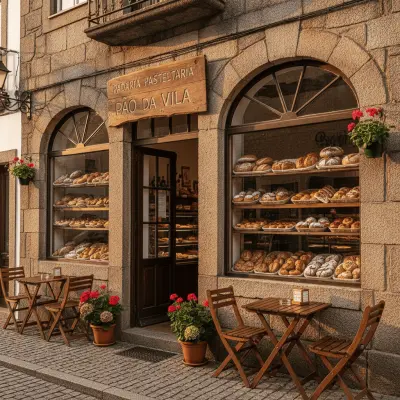
Padaria Pastelaria Pão da Vila
Manteigas
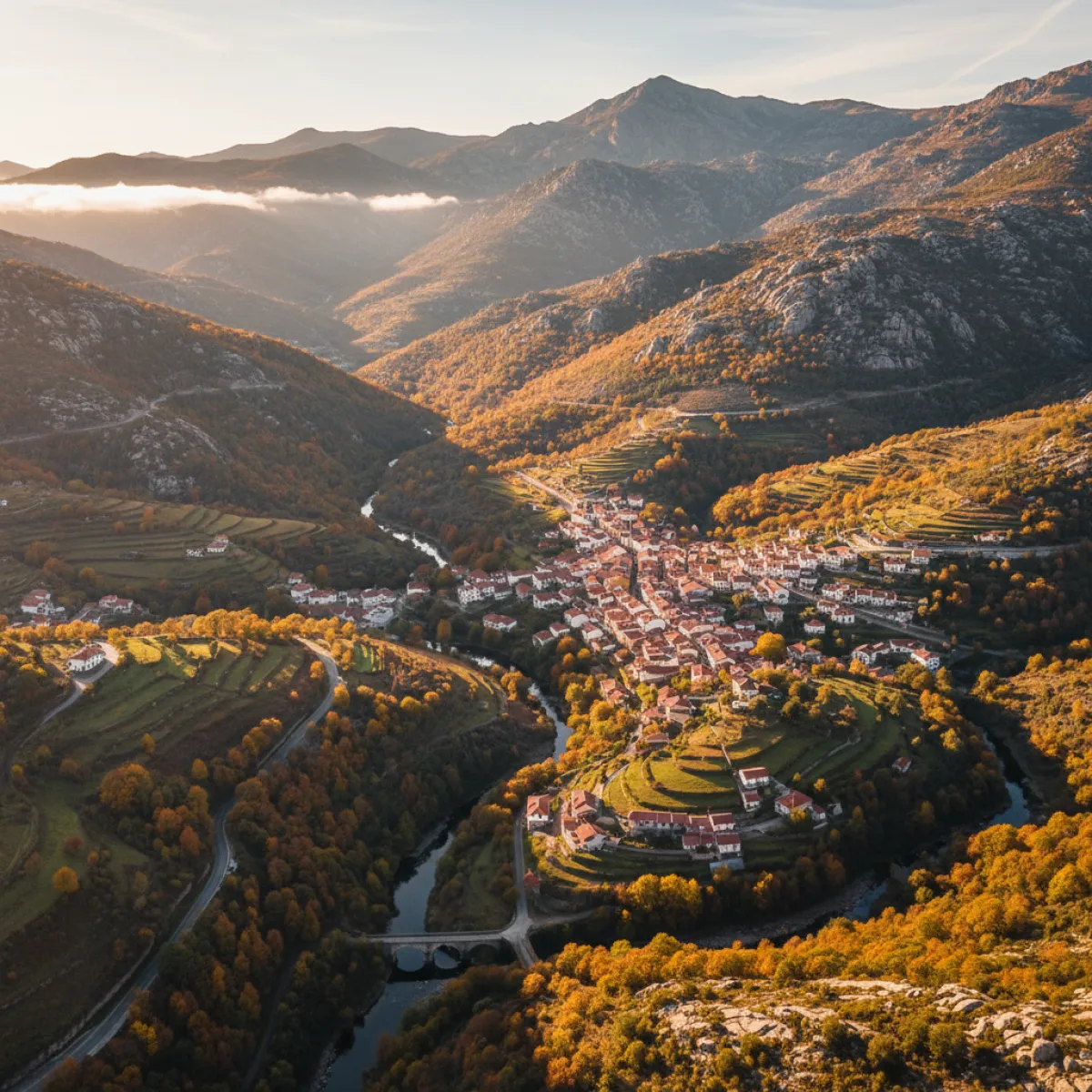
Manteigas is the only town inside the Serra da Estrela Natural Park, with direct access to the Zêzere Glacial Valley and the Poço do Inferno waterfall. Two to three days is enough to hike high-altitude trails, eat mountain stew and river trout, and soak in 42°C sulphurous thermal baths.
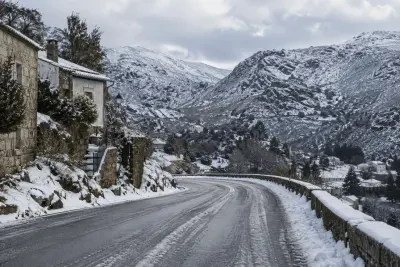
Before climbing from Manteigas, cross-check the IPMA snow warning with Infraestruturas de Portugal traffic information and GNR instructions. A warning never guarantees access to Torre.
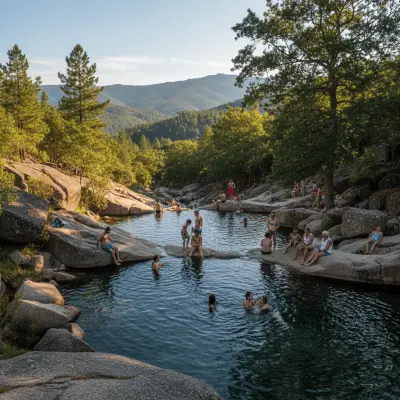
In August, the Zêzere river still runs at 12 degrees while Lisbon is melting. Where the locals of Manteigas actually swim, without tourists, drones, or queues at Poço do Inferno.
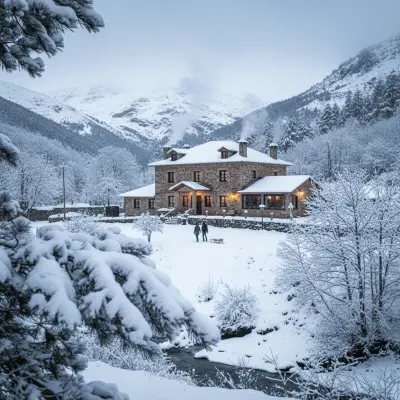
In January, the mistake is sleeping in Covilhã and driving up every day. From Manteigas, you walk out in your boots and in twenty minutes you are in the Zêzere Valley before the buses arrive.
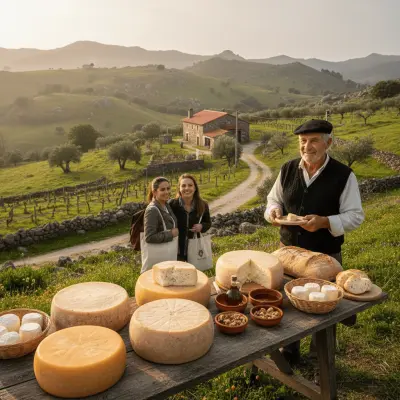
Proper Serra da Estrela DOP cheese never reaches the supermarket. In Manteigas, it's sold on Saturday mornings at the municipal market and at the doors of cheese rooms with 80 to 200 ewes. A practical guide with prices, how to choose, and what to do between tastings.
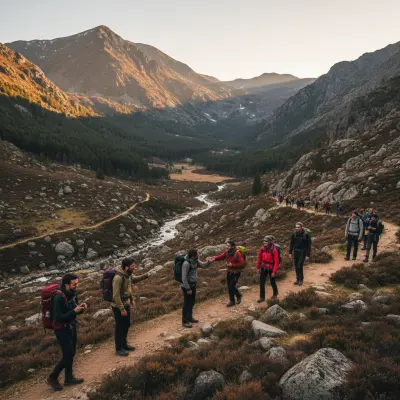
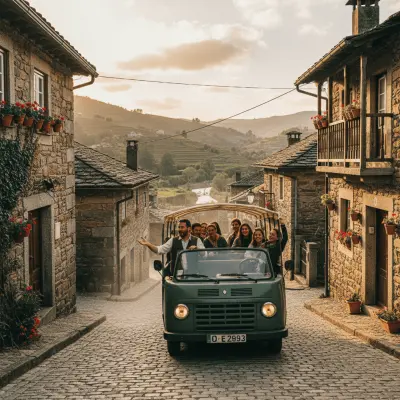
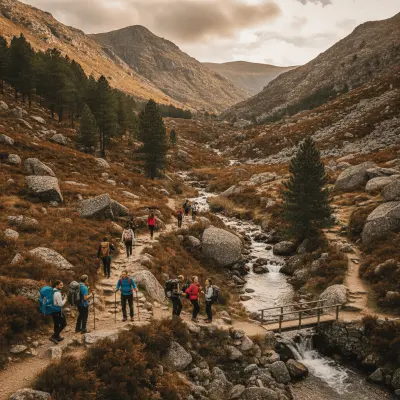
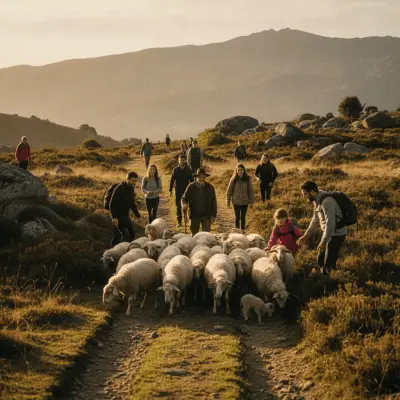
Manteigas sits at the bottom of a steep valley, wedged between slopes that climb to the highest points in mainland Portugal. It's the only town actually inside the Serra da Estrela Natural Park, not on its edge, not nearby, but right in the middle of it. That changes everything: the Zêzere Glacial Valley, the Poço do Inferno waterfall, and the high-altitude trails all start practically from your doorstep.
The Zêzere Glacial Valley, stretching 13 kilometres, is one of the largest glacial valleys in Europe and the reason most people come here the first time. The U-shaped valley, carved by glaciers thousands of years ago, is visible from several viewpoints you can reach by car, but it deserves to be walked. Poço do Inferno, a roughly 10-metre waterfall about 6 km from town, is a mandatory stop, especially in winter, when the water flow peaks and ice forms on the surrounding rocks.
Manteigas is small and doesn't pretend otherwise. Rua 1.º de Maio holds the local shops and café life. The Burel Factory, housed in the old Royal Wool Mill, has revived original looms to produce burel, the thick wool fabric that dressed generations of mountain shepherds, turning it into contemporary design pieces. The factory visit is worthwhile even if you buy nothing, just to understand how much this industry shaped the town's identity.
The food here is mountain cooking, no frills: feijoca à Manteigas (a thick bean and sausage stew), river trout from the Zêzere, roasted kid goat, and the unavoidable Queijo Serra da Estrela, served in its soft, spreadable version as a starter at nearly every restaurant. Restaurante Central, in the middle of town, serves generous portions of these staples. About three kilometres away, the Caldas de Manteigas thermal baths feed on sulphurous water that surfaces at 42°C, exactly what you need after a day on the trails.
Two to three days is the right amount of time to explore Manteigas without rushing. Spring (April to June) brings wildflowers and mild temperatures for hiking; winter delivers dramatic landscapes and snow at higher elevations, but mountain roads may close. Avoid August if you can, the serra fills up and prices climb. The rest of the year, Manteigas keeps the quiet pace that makes it worth the drive.