Visit
€
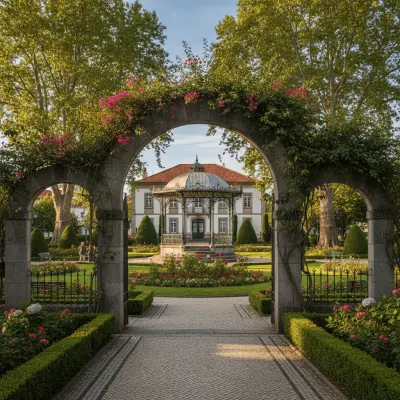
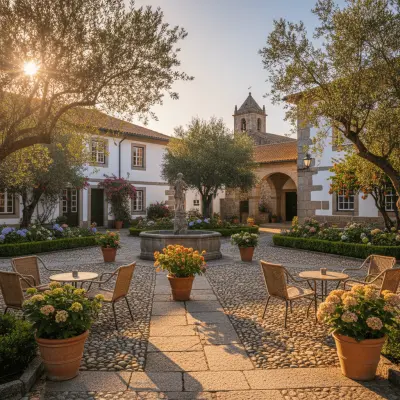
Jardim do Pátio do Museu
Gouveia
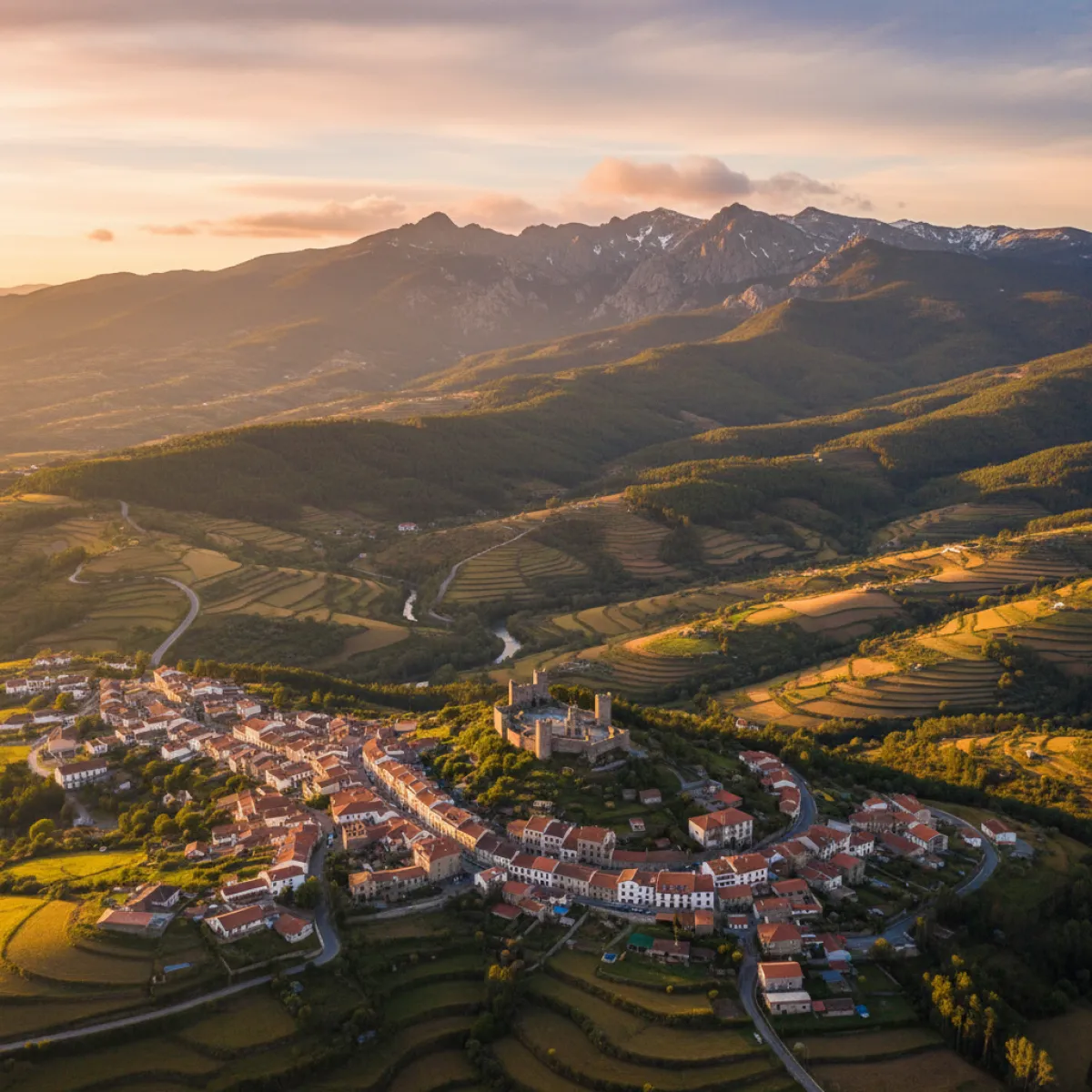
Gouveia is Serra da Estrela's western gateway, with historic quarters, a surprisingly good modern art museum, and the Mercado do Queijo between February and April. It deserves at least half a day, especially in spring, when the serra blooms and tables fill with kid goat and soft-centred cheese.
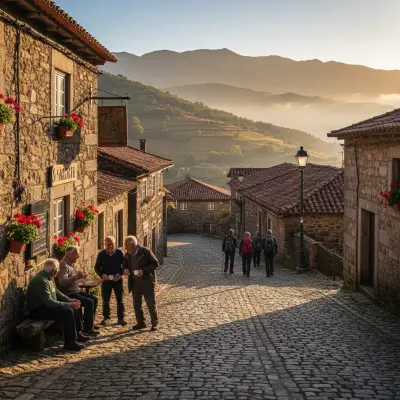
Gouveia is the town everyone drives through on the way to Torre without stopping. It has an unexpectedly good modern art museum, a viewpoint with a story dating back to the 1755 earthquake, and some of the best Serra cheese just steps from the centre.
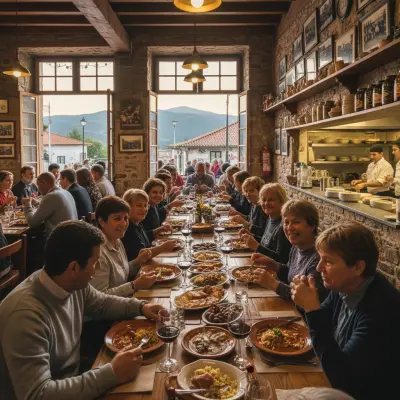
In Gouveia, you eat kid goat with wild mushrooms at prices from another era, Serra da Estrela cheese by the spoonful, and mountain rodízios for 20 euros in Folgosinho. This is where the locals actually eat on the northern slope of Serra da Estrela.
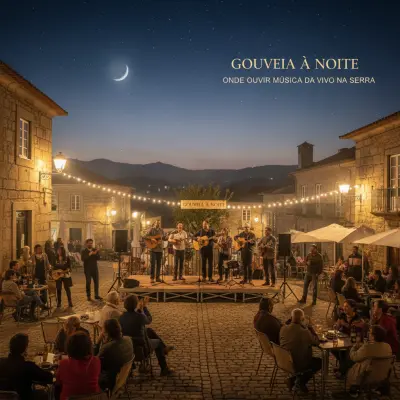
Gouveia has no clubs, and that's the whole point. Nightlife in this mountain town runs on €1.50 beers on terraces, São Pedro street festivals with live bands, and summer evenings where the Serra da Estrela is the best backdrop you could ask for.
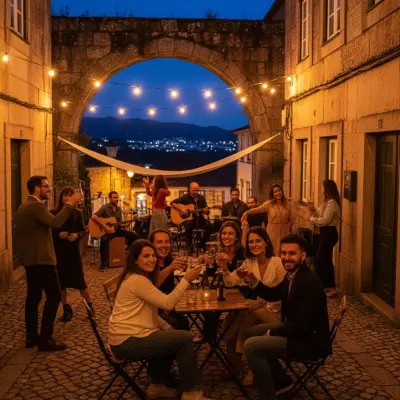
Gouveia has no clubs, no queues, no bottle service. What it has are neighbourhood bars with honest Dão wine, live music that appears unannounced, and a star-filled sky that's part of the evening. This guide shows you where to find it all.
Gouveia sits on the western slope of Serra da Estrela, facing the Mondego valley. It's not a place you stumble upon, it lies off the main tourist routes to Torre or Manteigas. That's exactly what makes it worth a deliberate stop: a town with its own weight, unbothered by the need to perform for visitors.
Gouveia's centre is organised around distinct neighbourhoods, each with its own character. Bairro do Castelo is considered the birthplace of the town. Bairro da Biqueira was the Jewish quarter in the 14th century. Bairro do Toural still holds Manueline-era houses that speak to a past of commercial and administrative relevance. The Igreja de São Pedro, at the centre, stands out for its exterior covered in blue and white azulejo tiles, the kind of detail you notice without needing a guide.
On Rua Direita, the Museu Municipal de Arte Moderna Abel Manta occupies a 17th-century baroque building, once the manor house of the Counts of Caria. Abel Manta, a modernist painter born in Gouveia in 1888, gives his name to the space, which houses 108 works by 72 contemporary painters. The museum courtyard opens onto a garden with old millstones, Manueline windows, and the São Lázaro fountain, dating from 1779. It's the kind of museum you visit in under an hour and that changes your impression of the entire town.
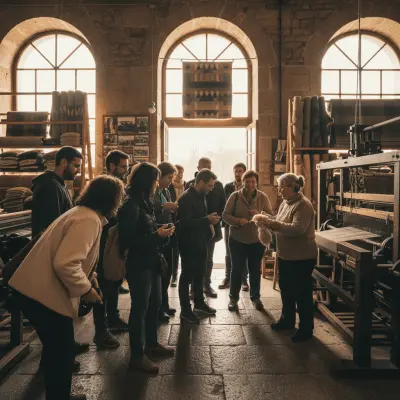
Gouveia is serious Queijo Serra da Estrela territory. This isn't just a regional product, it's an institution, made from raw sheep's milk, salt, and thistle flower, following centuries-old methods. The Mercado do Queijo, held between February and April, turns the Municipal Market into a stage dedicated to cheese and mountain flavours, with tastings, artisanal production demonstrations, and pairings with Dão wines. Outside fair season, the cheese shows up on every self-respecting table, soft-centred, halved, eaten by the spoonful with rye bread.
Gouveia's food is mountain cooking: chestnut soup, míscaro mushroom stew, cabrito à serrana (mountain-style kid), feijões à pastor, and carqueja rice. For dessert, curd cheese with pumpkin jam or rice pudding. Restaurante O Júlio, on a quiet side street, is a local reference for kid goat without any fuss. The cooking here is direct and hearty, exactly what you want after a morning in the mountains.
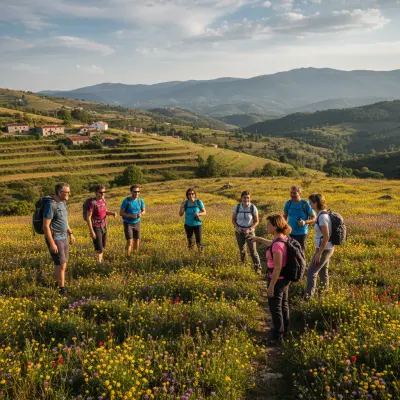
Gouveia deserves at least half a day, more if your visit coincides with the Mercado do Queijo. Spring is the best time: the serra blooms, temperatures are mild, and the trails are passable. In winter, the town takes on a quietness that's either comforting or lonely, depending on your temperament.