Sleep
€€
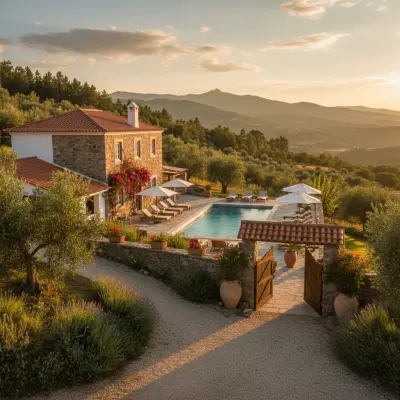
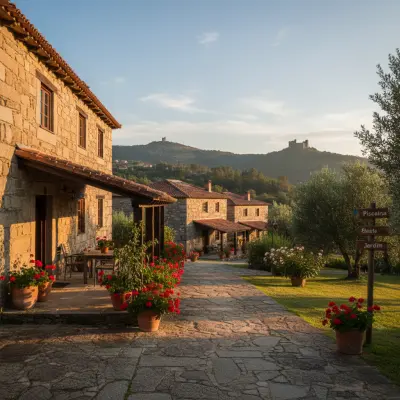
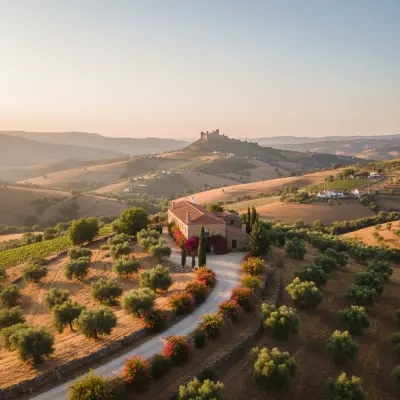
Quinta do Rio - Belmonte
Belmonte
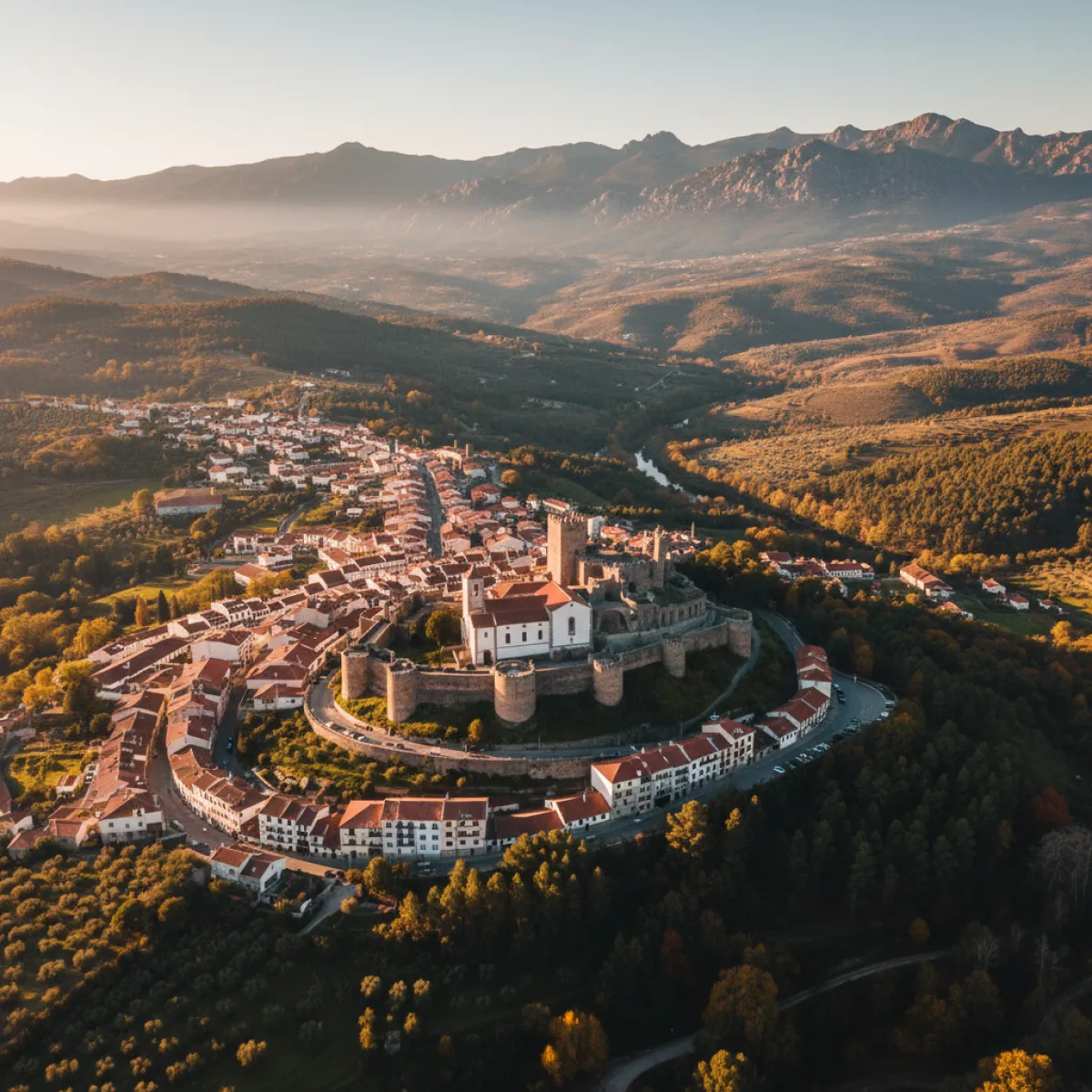
Birthplace of Pedro Álvares Cabral and the last stronghold of crypto-Judaism in Portugal, Belmonte packs two extraordinary chapters of Portuguese history into a granite town facing Serra da Estrela. Plan at least a full day, and don't leave without trying alheira, the sausage with roots in Jewish resistance.
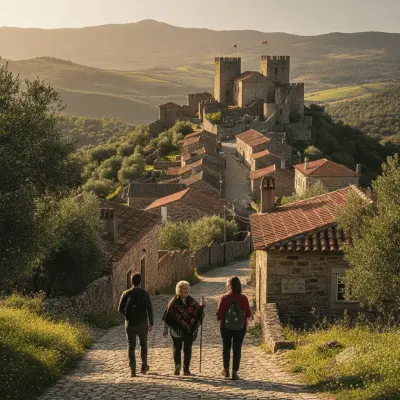
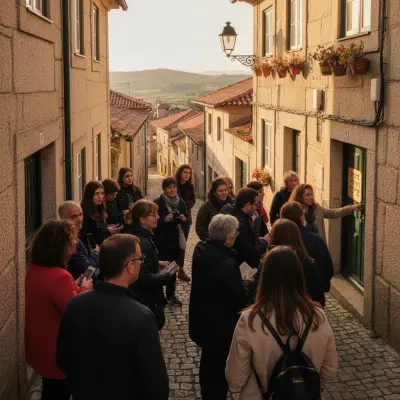
In Belmonte, the granite doors still turn inward, an architectural trace of five hundred years of Jewish discretion. A self-guided walk through the Judiaria, no gold plaques, just close attention.
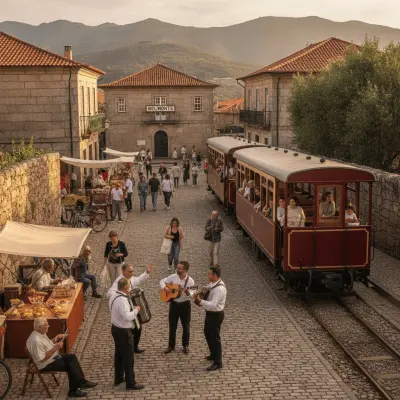
The station is called Belmonte-Manteigas, but Manteigas is thirty kilometres away on the far side of the mountain. Once you get past that, this is the easiest of Portugal's Historic Villages to do carless: castle, Jewish museum and a Roman tower nobody can explain, all in 48 hours.
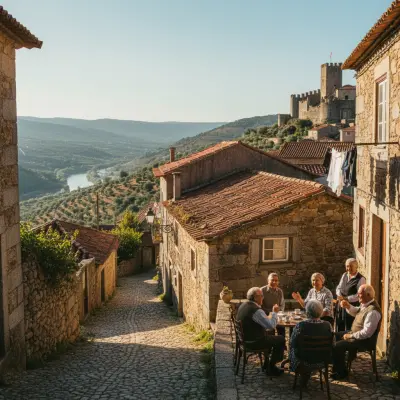
Most visitors spend half an hour in Belmonte: castle, Cabral plaque, coffee. But below the walls lies Europe's last crypto-Jewish community, a Roman tower nobody can explain, and five museums for eight euros that almost nobody knows about.
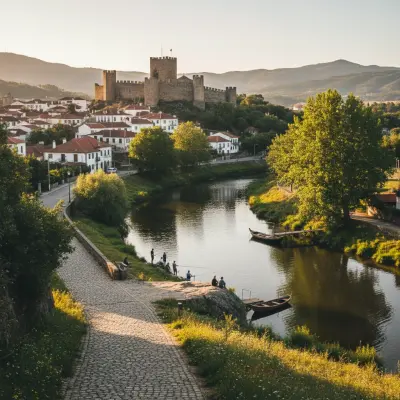
Belmonte has no ocean and no waves, but the River Zêzere compensates with cold mountain water and uncrowded banks. An honest guide to what serra water actually offers.
Belmonte is the kind of place you arrive at without expectations and end up staying longer than planned. Perched on a hillside facing Serra da Estrela, with just over three thousand residents, it holds two fundamental chapters of Portuguese history, and tells them without rush, without crowds, and without inflated ticket prices.
The navigator who reached Brazil in 1500 was born here around 1467. Belmonte Castle, built in the late 12th century atop Monte da Esperança, belonged to the Cabral family and still has a Manueline window with a direct view toward Serra da Estrela. Next to the castle, the Church of Santiago and the Cabral Pantheon provide context to the lineage. The "Portuguese Discoveries" Interpretation Centre goes deeper into maritime history than you'd expect from a town this size.
What makes Belmonte truly singular is its crypto-Jewish community. When King Manuel I decreed forced conversion in 1496, a group of Sephardic Jews refused to abandon their faith and kept their rituals in secret, for nearly 500 years. Only after the 1974 revolution did the community come out publicly. The Bet Eliahu Synagogue, consecrated in 1996, and the Belmonte Jewish Museum, opened in 2005 in a former school building, document this extraordinary resistance. If you've read about this history before, being here is different, the weight of it is felt in the narrow streets of the old Jewish quarter, not just behind museum glass.
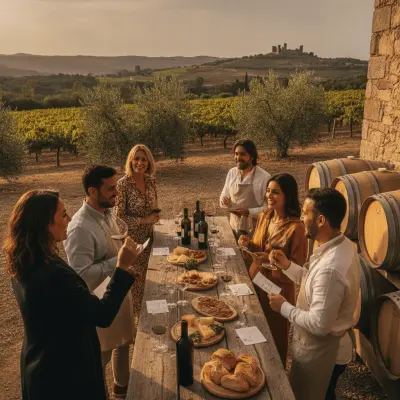
Belmonte deserves at least a full day, two if you want to combine it with excursions into Serra da Estrela, just 15 km away. At the table, look for alheira, the sausage Jews invented to disguise the absence of pork, now ubiquitous in Beira cuisine. Pair it with Serra cheese and rye bread. A Grelha is a solid local pick for traditional cooking, with duck rice worth stopping for.
The best time to visit is April through June or September, comfortable temperatures, few visitors, and the late afternoon light on the town's granite walls is something else entirely. Belmonte doesn't need to be sold. It just needs to be found by people looking for substance over scenery.