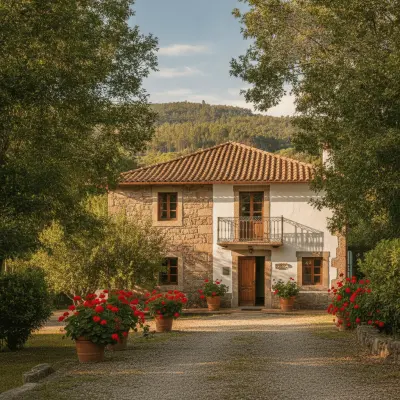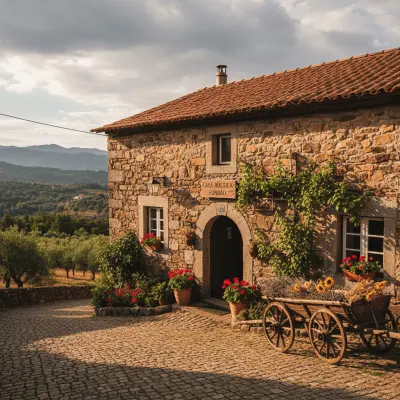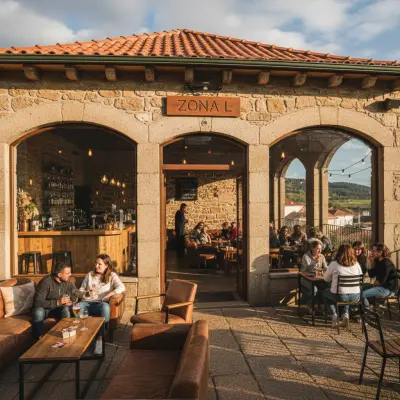
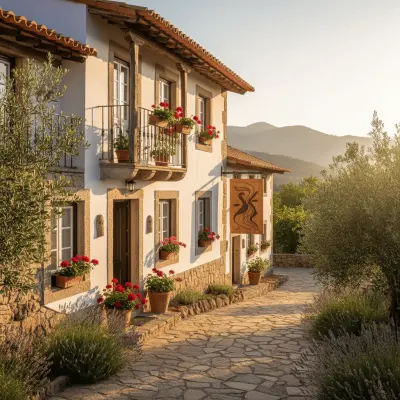
Sleep
€
Casas da Mina Hostel
Fundão
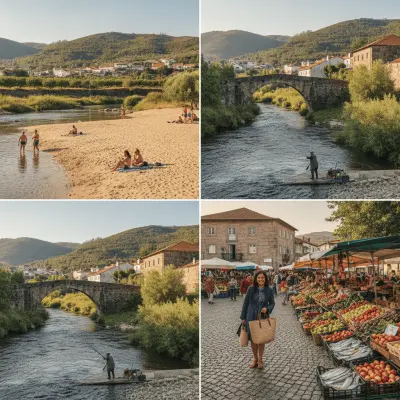
Fundão sits more than 150 kilometers from the sea, so forget fresh seafood this September. Instead there's river trout from the Serra da Estrela, a golden sunset over a mountain dam, and taverns serving sharp Amarelo cheese without being asked. That's the trade worth making this month.
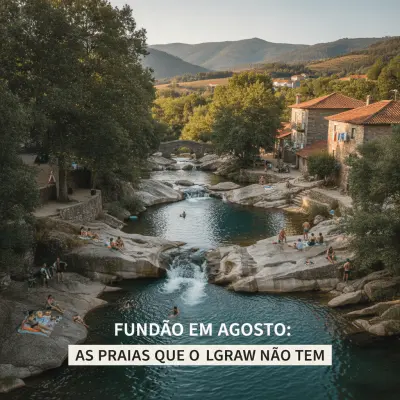
Everyone points south to the Algarve in August and pays triple for the privilege. The smart move is inland: Fundão's river beaches offer cold mountain water, plane-tree shade, and a sailboat sunset on the Marateca Dam the coast never delivers.
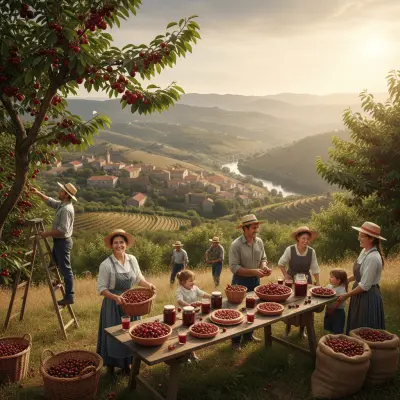
In June, Fundão smells of cherries: 80% of Portugal's harvest comes from these Gardunha slopes. A practical guide to telling Saco from Burlat, eating well, sleeping easy, and not missing the Cherry Festival.
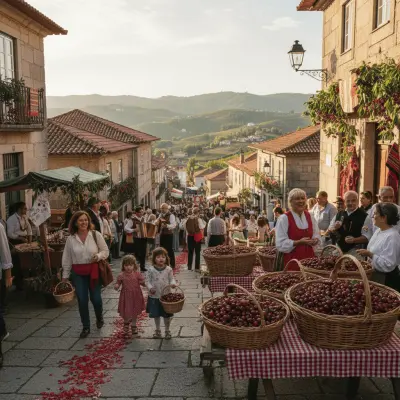
Three days of festival in June, cherries at €5/kg straight from the grower, and a route of villages on the Gardunha slope that transforms in fifteen days. An honest guide to Fundão's Cherry Festival and the Cova da Beira, with none of the rural-Portugal clichés.

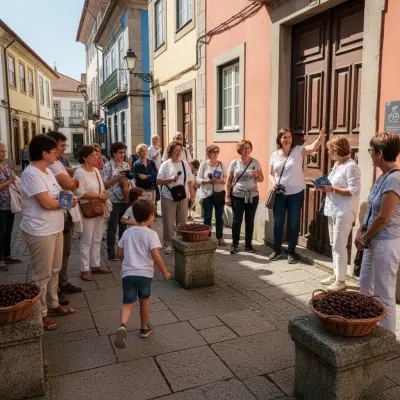
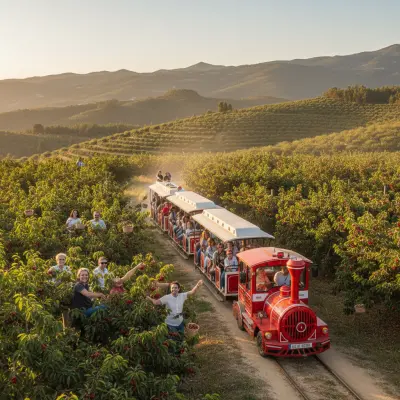
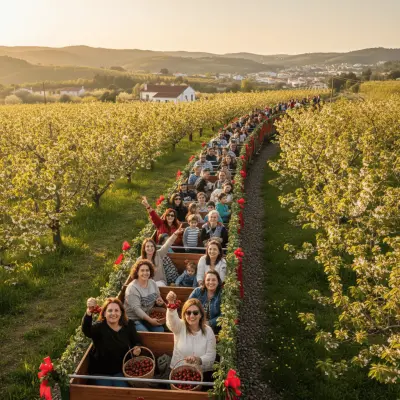
Fundão is Portugal's cherry capital, and that's not just marketing. Between March and April, the slopes of the Serra da Gardunha are covered with thousands of cherry trees in bloom, a spectacle that lasts barely ten days. In June, the Festa da Cereja in Alcongosta celebrates the harvest with dishes ranging from flambéed prawns with cherry to cherry tigelada. The fruit is the calling card, but the territory is the reason to stay.
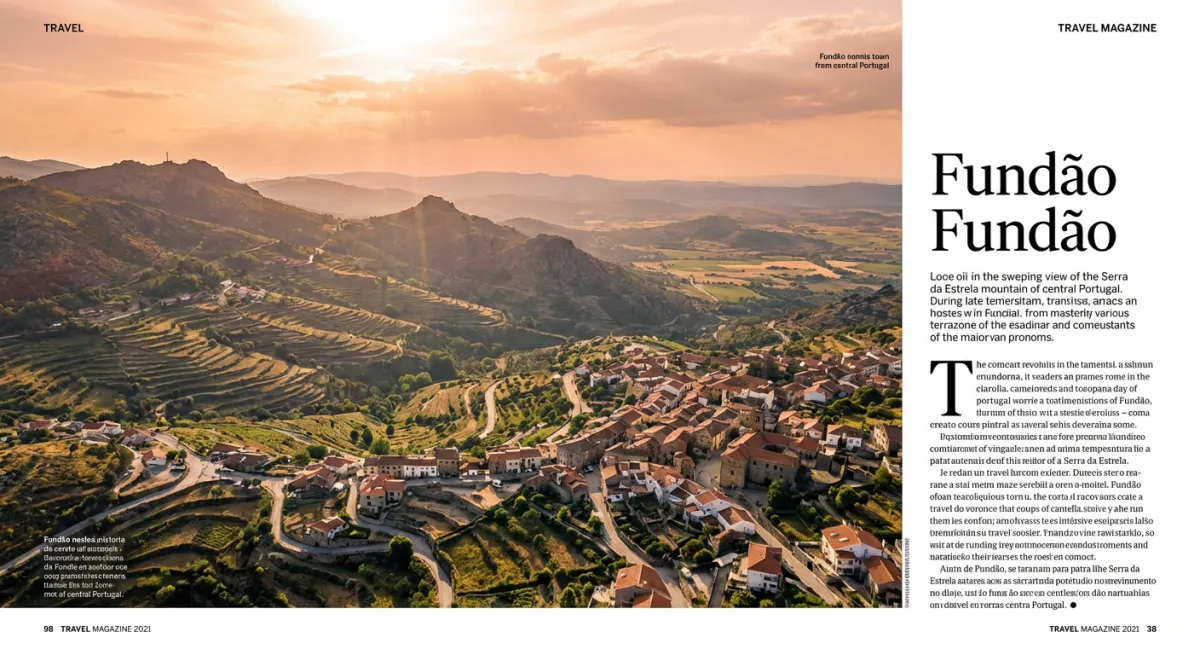
The municipality of Fundão sits in a corridor between the Serra da Gardunha and the Zêzere River, with the Serra da Estrela as a backdrop to the north. This geography explains the diversity: on one side, granite villages climbing the mountainside; on the other, schist villages by the river, with narrow streets and facades dotted with white pebbles collected from the riverbed.
Castelo Novo, one of Portugal's twelve Aldeias Históricas (Historic Villages), sits on the Gardunha slope and deserves at least a full morning. The granite houses, the Manueline pillory, the Bica fountain, and the castle ruins at the top make for a walk you can do in near-silence, there are no crowds here. Janeiro de Cima, a Schist Village on the banks of the Zêzere, runs at a different pace: linen weaving, artisan textiles, and a medieval-era core discovered slowly through narrow alleys and courtyards.
Fundão's cooking follows the Beira logic: grilled kid goat, salt cod, cured meats, and regional cheeses. The restaurant As Tílias, next to the Jardim das Tílias, works traditional recipes with seasonal ingredients. Cherry shows up in everything, from side dishes to desserts, but the olive oil, honey, and wild mushrooms from the Gardunha are equally good reasons to sit down at the table.
March–April for cherry blossoms. June for the Festa da Cereja. September–October for mushrooms and grape harvest. Two days cover the essentials, the town, Castelo Novo, and a Schist Village, but three let you climb the Gardunha at a reasonable pace and explore viewpoints like Pedra d'Hera. Fundão works well as a base for anyone who wants to see Portugal's interior without relying on overcrowded tourist routes.