Sleep
€€
Hotel Columbano
Peso da Régua
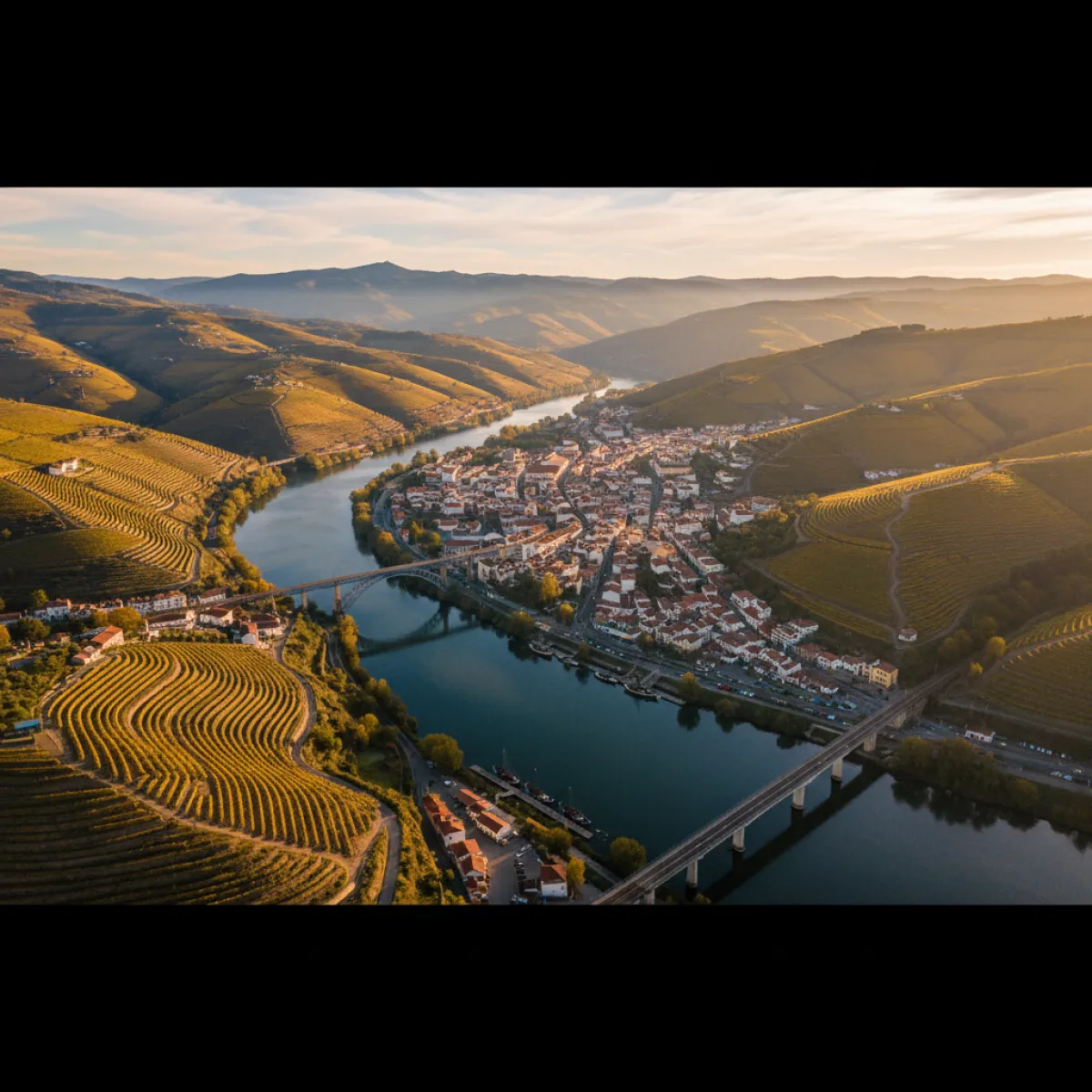
The historic capital of the Port wine trade, Peso da Régua is now the most accessible base for exploring the Douro wine country. A scenic train ride from Porto, river cruises to Pinhão, and wine at source prices.
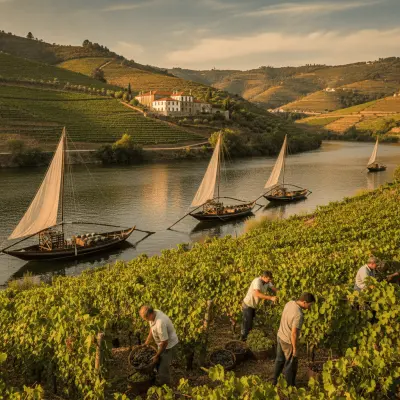
In the second half of August, there is a real chance of meeting grape-loaded tractors on the N222 and smelling fermenting must in Régua's wineries. Between cruises to Pinhão, veraison in the vineyards and three restaurants worth booking, this is the guide to the month when the Douro actually works.
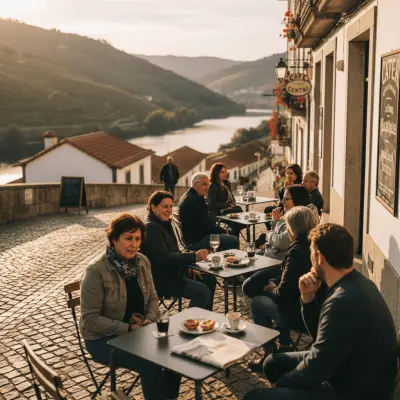
Everyone comes to Peso da Régua for Port wine and almost nobody notices the cafés. Big mistake: here you still order espresso in a small glass cup, still dunk bread in the coffee, and breakfast costs 2.50€.
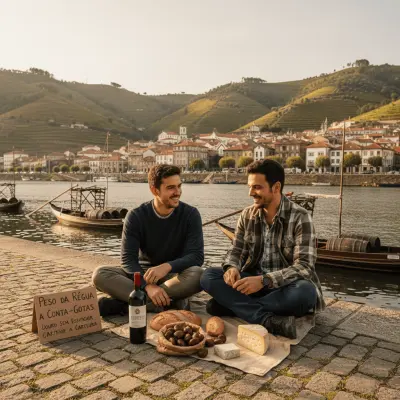
The industry says the Douro is expensive. It's lying. Twenty euros a day, lunch included, gets you a full weekend in Peso da Régua, wine tasting and all. Here's the map, with addresses, prices and the honest breakdown.
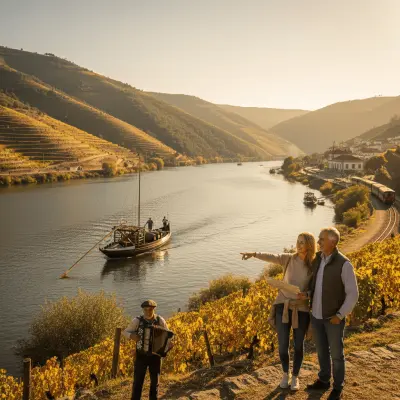
Régua is a base, not a destination. Train east to Pinhão, car north to Sabrosa, and three restaurants waiting for you at dinner. Here's the honest guide to day trips that actually earn the detour.
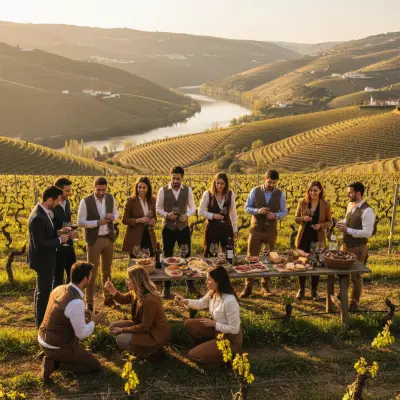
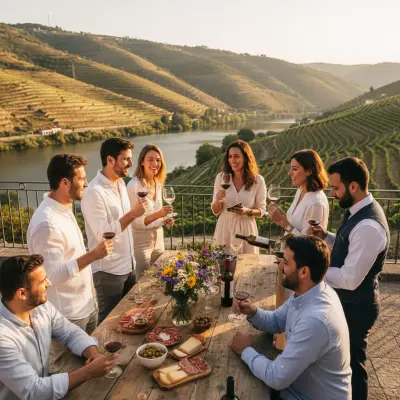
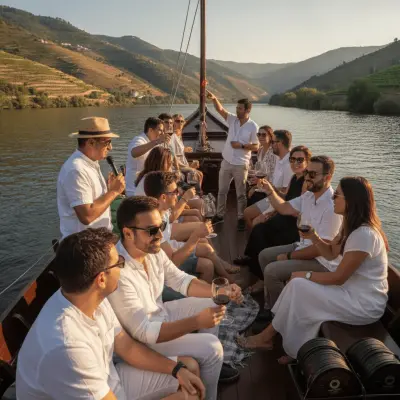
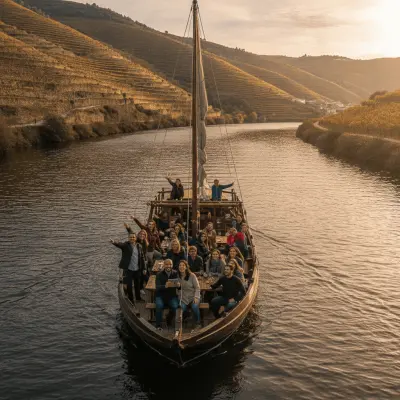
Peso da Régua exists because of wine. For centuries, this riverside city was the staging post where Port wine was loaded onto rabelo boats heading downriver to Vila Nova de Gaia. That function shaped everything, the way the city stretches along the Douro, the wide riverside avenue, the warehouses that still mark the urban landscape. Today, with the rabelos retired and wine travelling by truck, Régua has repositioned itself as the gateway to the Alto Douro Wine Region, a UNESCO World Heritage Site.
The Douro waterfront is where life happens in Régua. The riverside promenade between the road bridge and the cruise boat quay is the natural route for anyone arriving. River cruises depart from here upstream to Pinhão, one of the most popular excursions in the region. But even without boarding a boat, the view across to the terraced hillsides on the opposite bank is reason enough to stop.
The Museu do Douro, housed in a former Real Companhia Velha warehouse by the river, is the best introduction to the world's oldest demarcated wine region. It's not a large museum, but it's well done, covering the Pombaline-era demarcation, the vine cycle, and the harsh life of workers on the terraces. If you have an hour before moving on, spend it here.
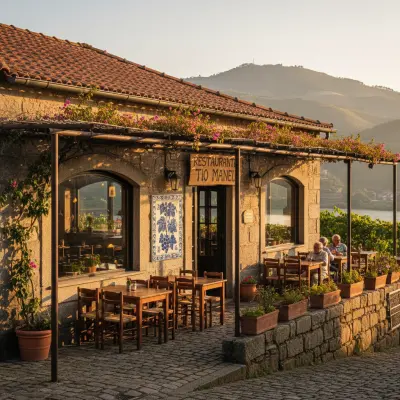
The food scene in Régua has improved considerably in recent years. At Castas e Pratos, near the river, the kitchen handles regional ingredients with a contemporary touch. For something more traditional, Tasca da Quinta and Restaurante Tio Manel serve honest meals, expect dishes like polvo à lagareiro, roast kid, and the ever-present salt cod fritters. Wine is always from the Douro, and costs a fraction of Lisbon prices.
Régua works well as a base for exploring the Douro over two or three days, especially if you'd rather not spend your budget at the more tourist-oriented quintas near Pinhão. The Douro railway line connects the city to Porto in about two hours, one of the most scenic train journeys in Europe. Harvest season, between September and October, is the most intense period: the heat is strong, the hillsides turn orange and gold, and there's real activity in the wineries. In spring, temperatures are milder and the crowds haven't arrived yet.
A practical note: Régua is a small city and doesn't pretend to be anything else. Don't come expecting nightlife or a packed cultural calendar. Come for the river, the wine, and the landscape, that's what it does well.