Sleep
€€
Alojamento dos Santos - Pinhão
Pinhão
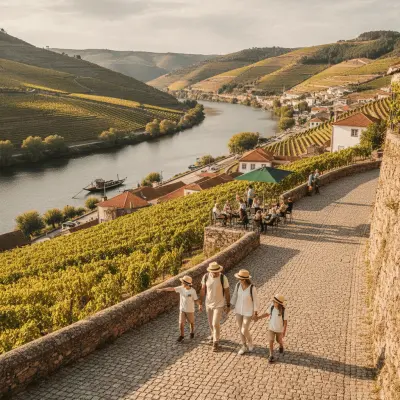
Turn the station tiles into a spotting game, then see the vineyards from a short boat trip. This family guide to Pinhão makes room for breaks and deals honestly with the riverside.
Came to Pinhao for surf? You are 130 km from the sea, deep in the Douro. Good news: the river beach, the cruise to the Tua and the N222 beat any wave. An honest guide for getting wet, watching, or just driving.
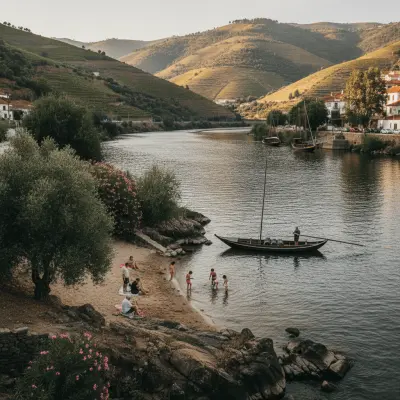
Pinhão has no sea, it has something better: river beaches of jade-green water between vineyard terraces. The trick is knowing the right hours and the right coves to dodge the August hordes.
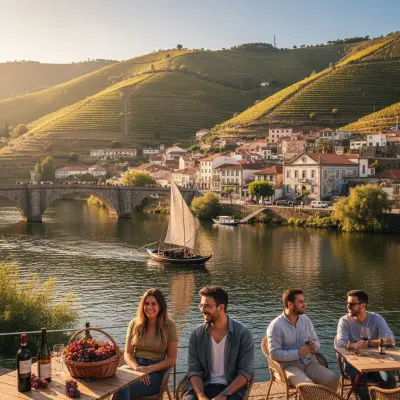
Discover how to navigate Pinhão and the Douro Valley with a discerning, budget-conscious strategy. An expert guide to the Linha do Douro, authentic dining, and the granite architecture of Lamego.
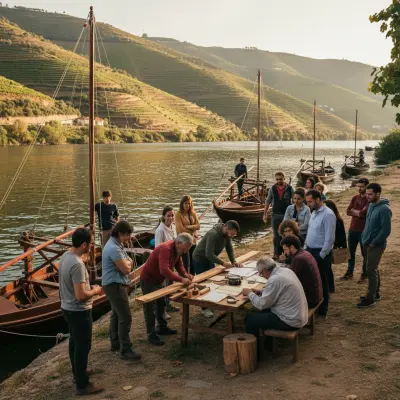
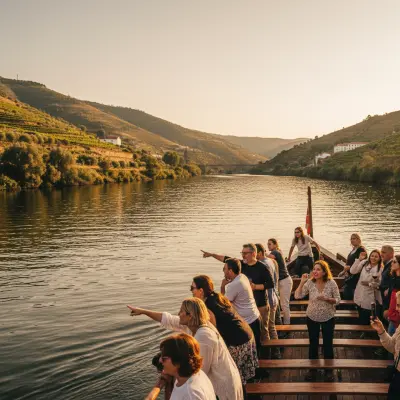
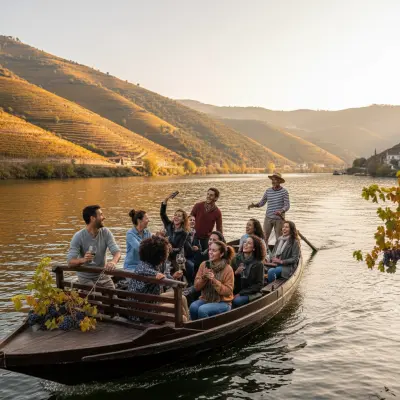
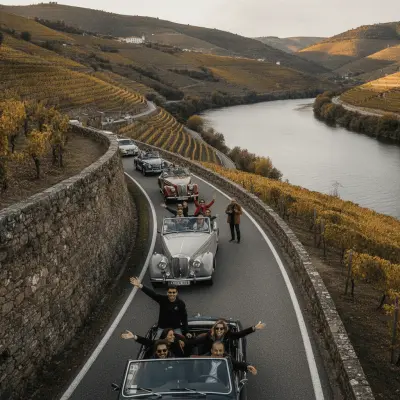
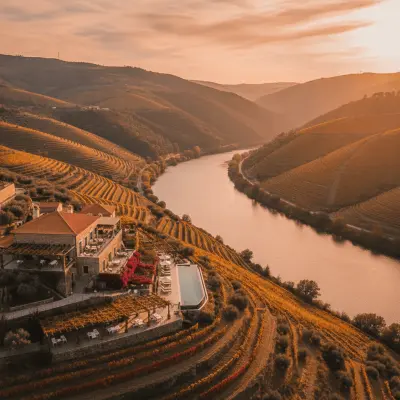
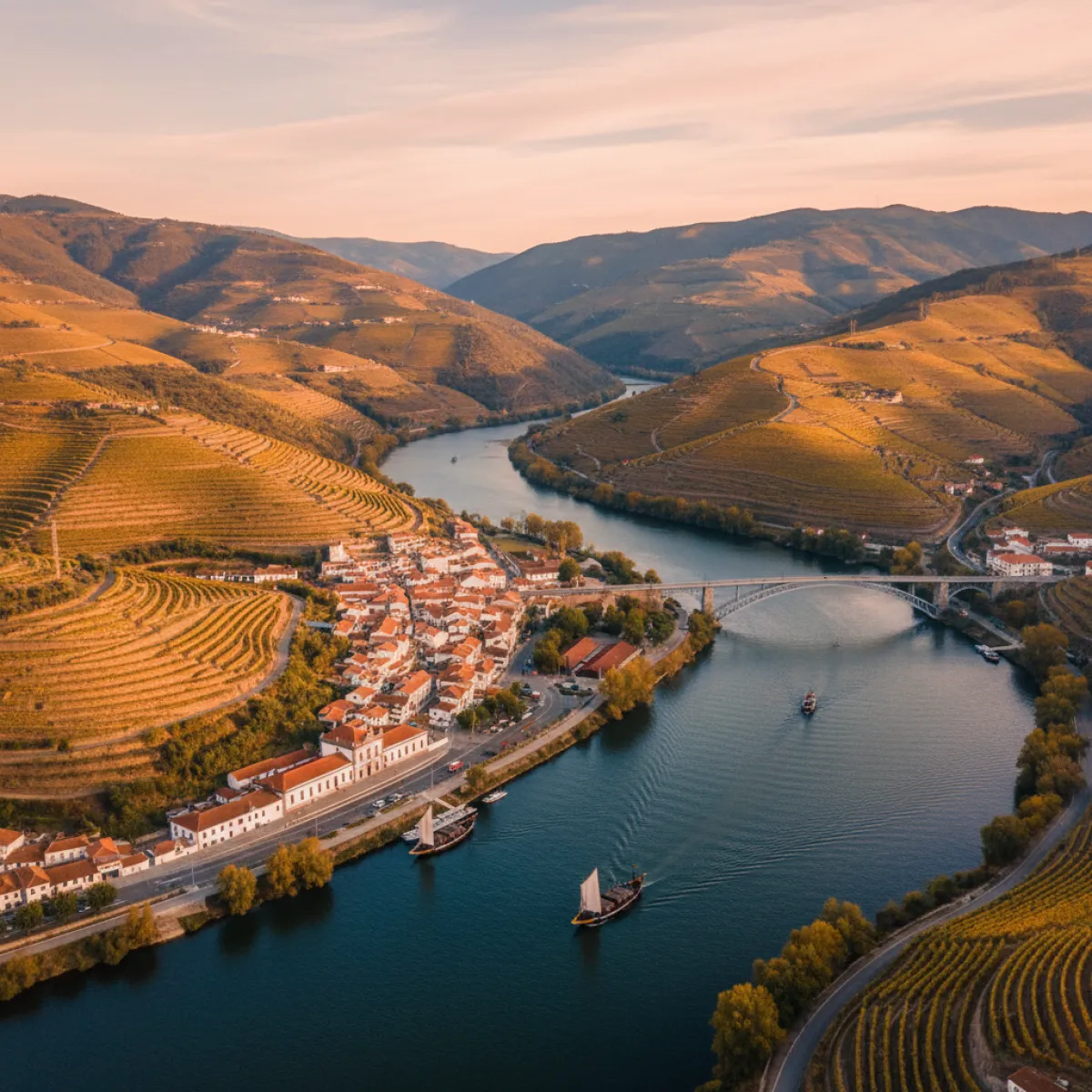
Pinhão sits where the River Pinhão meets the Douro, and that confluence of water defines everything about the place. The village is small, walkable end to end in twenty minutes, but its position at the heart of the Alto Douro Wine Region, a UNESCO World Heritage Site, makes it one of the best starting points for understanding this landscape of terraced vineyards and schist walls.
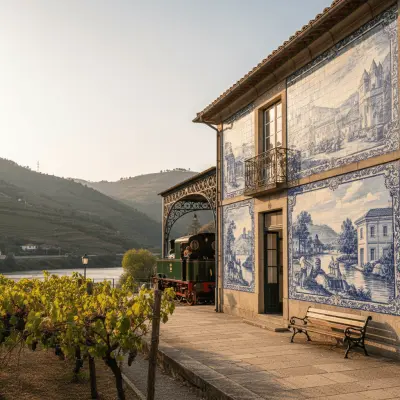
Pinhão's train station is a destination in itself. The azulejo tile panels covering its walls depict harvest scenes and daily life in the Douro, and they're among the most photogenic of any railway station in Portugal. Arriving by train on the Linha do Douro, particularly the stretch between Régua and Pocinho, ranks as one of Europe's most scenic rail journeys, and that's not an overstatement.
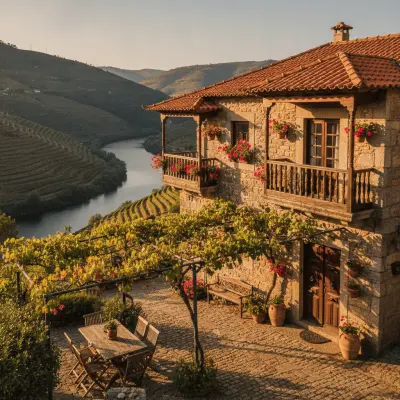
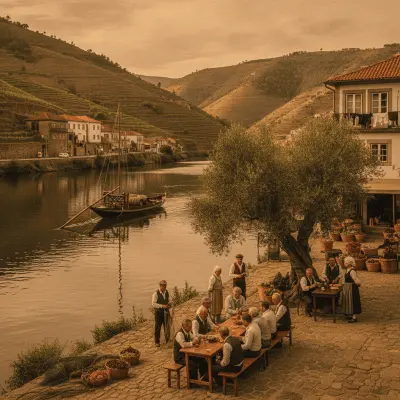
Pinhão is surrounded by historic port wine estates. Quinta do Bomfim, just outside the village, offers tours and tastings overlooking the valley. Across the river, Quinta de La Rosa combines accommodation with its own production. You don't need to book expensive experiences to make the most of it: sitting by the Douro at the end of the afternoon with a glass of moscatel is reason enough for the detour.
For swimmers, Praia Fluvial do Pinhão, at the mouth of the River Pinhão, is a solid option in the warmer months, with the advantage of being steps from the centre.
September and October bring the grape harvest, when the terraces turn orange and gold. The trade-off: more visitors and higher prices. May and June offer long days, manageable heat, and green vines across the valley. Two nights is the right amount of time, enough for a boat trip on the Douro, a quinta visit, and space to simply watch the river.
Pinhão doesn't have the dining scene of a larger town, but local restaurants deliver: expect roast kid, polvo à lagareiro, and the Douro's ever-present cured meats. Veladouro, by the river, is a reliable choice for meals with a view.